






Definition & Purpose of the Texas Tax Clearance Letter Request
A Texas Tax Clearance Letter Request is a formal document that businesses in Texas submit to obtain a Tax Clearance Letter. This letter serves as verification that a business entity, such as a corporation or LLC, is current on its state tax obligations. It assures the Secretary of State and other interested parties that a business has no outstanding tax debts, which is essential when reinstating an entity, concluding business operations, or during transitions such as mergers and dissolutions. The clearance letter thus protects stakeholders by affirming the entity's compliance with state tax regulations.
Key Elements of the Request
- Business Identification: The request must include specifics about the business, such as its legal name, taxpayer identification number, and mailing address. This information ensures the request is correctly associated with the entity in question.
- Taxpayer Status: Indicating the current status of the taxpayer is crucial. This includes whether the taxpayer is actively engaged in business or has dissolved operations. Accurate status reporting facilitates proper assessment of tax responsibilities.
- Type of Business Activity: Clearly defining the business activities conducted by the entity aids in determining the specific tax obligations applicable under Texas state law. This may include sales, services, or other taxable commerce.
- Purpose of Request: The application should specify the reasons for securing a tax clearance, such as entity reinstatement, amending business details, or cessation of operations.
Process of Obtaining a Texas Tax Clearance Letter Request
Step-by-Step Instructions
-
Verify Outstanding Debts: Before proceeding, businesses should audit their tax accounts to confirm all state tax liabilities are satisfied or address discrepancies via payment or other resolution methods.
-
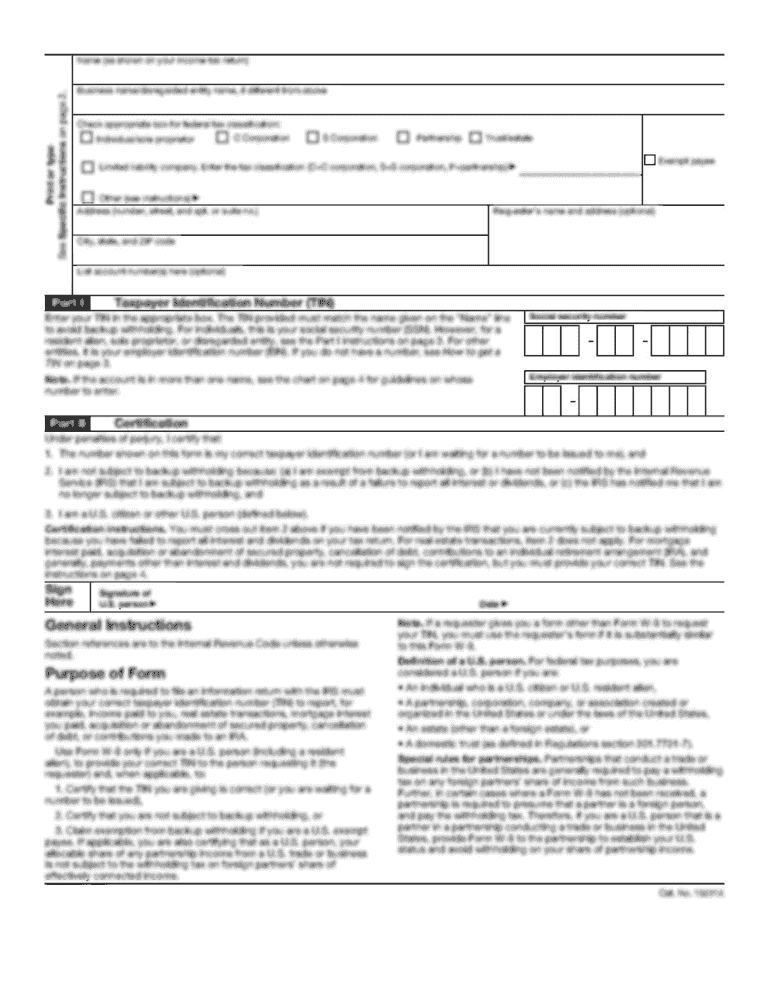
Complete the Request Form: Acquire and fill out the Texas Tax Clearance Letter Request form. This includes providing accurate entity information, tax identification numbers, and the specific nature of the request.
-
Document Submission: Submit the completed form along with necessary documentation, which may entail financial statements, proof of tax payments, or recent tax returns.
-
Review Process: Upon submission, the state's tax authority will review the request to ensure compliance with all tax obligations. This assessment is critical in determining eligibility for the tax clearance.
-
Receive Approval: Once validated, the entity will receive the Tax Clearance Letter, which can then be used for the specified purpose, such as business reinstatement or dissolution processes.
Legal Use and Importance
Texas Tax Clearance Letters carry significant legal weight. They are often necessary for transactions such as the sale of a business, mergers, or filing for dissolution. Through this letter, the state confirms that the entity in question is in good standing with respect to its tax liabilities, thereby facilitating legal and business transactions requiring proof of compliance.
Who Typically Uses the Texas Tax Clearance Letter Request


Business Entity Types
- Corporations: Often require tax clearance when undergoing ownership changes, mergers, or reinstatements.
- Limited Liability Companies (LLCs): Use these requests primarily for entity reinstatement or dissolution verification.
- Partnerships and Other Entities: May also require this documentation when transitioning business structures or formalizing business closures.
Important Terms Related to the Request
- Entity Reinstatement: A process where a business entity that was previously dissolved seeks to become active again, necessitating proof that all tax-related issues are resolved.
- Good Standing: A legal term indicating that a business is compliant with its tax obligations and eligible to engage in state-sanctioned business activities.
- Tax Obligations: All tax dues that a business is required to pay according to state law, including corporate, sales, and other applicable taxes.
State-Specific Rules for the Texas Tax Clearance Letter Request
Compliance with Texas Laws
Texas tax law mandates businesses to be current with their filing and payment of state taxes to maintain good standing. A tax clearance letter reflects adherence to these requirements. Non-compliance could lead to penalties, including fines or detachment from legal operations within the state.
Penalties for Non-Compliance
Failure to secure a Tax Clearance Letter when required can have severe repercussions, such as revocation of business privileges, fines, or obstacles in completing legal transactions. Staying informed about compliance deadlines and obligations is critical to avoid such penalties.
Software Compatibility and Submission Methods
Digital vs. Paper Submission
- Digital Submission: Many businesses prefer online submissions for faster processing. State-supported online platforms facilitate direct uploads of the completed forms alongside necessary documentation.
- Paper Submission: This traditional method involves mailing hard copies to the relevant state department, though it typically involves longer processing times.
Software Compatibility
Businesses often complement their submission process with compatible software solutions like TurboTax or QuickBooks, which streamline record-keeping and ensure the documentation aligns with regulatory requirements.
Application Process and Approval Time
The timeline for processing a Texas Tax Clearance Letter Request significantly depends on the completeness and accuracy of the submitted information. Typically, the processing can take several weeks, but delays are possible if discrepancies or incomplete data require correction.
Steps to Expedite the Process
- Ensure Completeness: Double-check all form fields and attached documentation for accuracy.
- Timely Payment of Taxes: Confirm that all state tax dues are settled before submission.
- Track Submission: For digital submissions, take advantage of online tracking to monitor the progress and promptly address any issues flagged by the state tax authority.