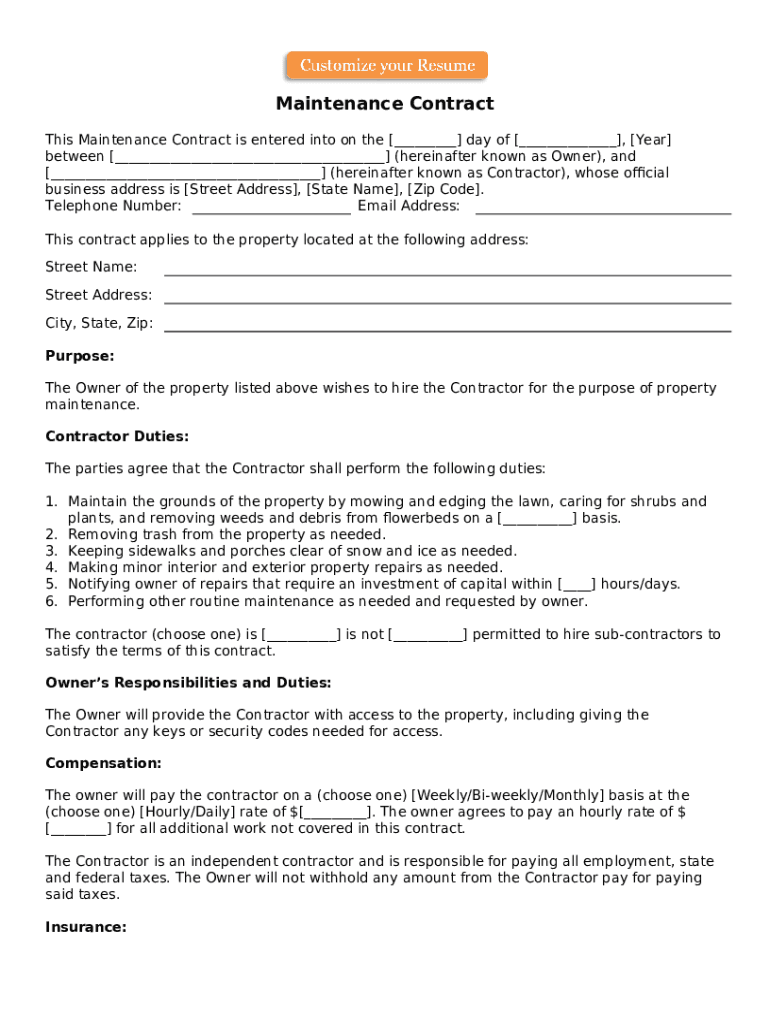







Definition & Meaning
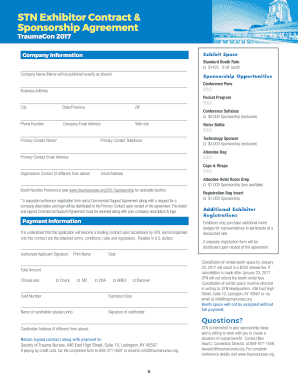
A Website Maintenance Agreement is a contract between a website owner and a maintenance service provider delineating the services, responsibilities, and terms for maintaining a website. This agreement ensures that the website's performance, security, and updates are managed efficiently, reducing downtime and enhancing user experience. These agreements often cover routine checks, updates, backups, security monitoring, and troubleshooting.
Detailed Components:
- Routine Checks: Includes scheduled evaluations to detect and address performance issues.
- Security Monitoring: Involves protective measures against cyber threats and malware attacks.
- Backups and Updates: Regular backups and software updates to prevent data loss and ensure compatibility with new technologies.
How to Use the Website Maintenance Agreement
To effectively employ a Website Maintenance Agreement, both parties—website owner and service provider—must clearly understand their roles as defined within the contract.
- Review Agreement Terms: Both parties should thoroughly review the scope of services, including maintenance tasks frequency and conditions.
- Define Communication Protocols: Set clear standards for reporting issues, updates, and any required escalation processes.
- Implement Scheduled Tasks: Predetermine tasks like security monitoring or backups ensuring they are carried out regularly and without fail.
Key Considerations:
- Customization: Tailor the agreement to fit the specific needs of the website and industry.
- Flexibility: Allow for modifications as the website grows and develops.
- Consultation with Legal Expert: Ensure compliance with legal standards and safeguard interests by consulting a legal expert.
Key Elements of the Website Maintenance Agreement
In designing an effective Website Maintenance Agreement, incorporating key elements is crucial for clarity and enforcement. Each segment of the contract must reflect detailed and specific information tailored to meet both parties' expectations and obligations.
- Scope of Services: Clearly outlines all maintenance activities, including technical support, updates, and enhancements.
- Response Time: Specifies how quickly service providers must respond to issues or service requests.
- Pricing and Payment Terms: States the cost of services, billing cycle, and payment methods.
- Performance Metrics: Includes specific benchmarks for measuring the quality of maintenance work.
Real-World Scenarios:
- E-commerce Platforms: Require additional clauses for handling peak shopping times and transaction securities.
- Content-Heavy Sites: Need robust content management systems in place to frequently update materials and ensure compliance with SEO best practices.
Steps to Complete the Website Maintenance Agreement
Completing a Website Maintenance Agreement involves several focused steps that ensure all parties' needs are clearly addressed and understood.
- Identify the Parties Involved: Clearly state the website owner's and the service provider's names and contact details.
- Define the Scope of Work: List all specific tasks, like software updates, data backups, and uptime monitoring.
- Set Terms and Conditions: Detail the duration of the contract, withdrawal clauses, and conditions for renewal.
- Negotiate and Finalize: Discuss any terms requiring negotiation to ensure mutual agreement before finalizing.
Step-by-Step Approach:
- Draft Initial Agreement: Begin with a template that can be modified.
- Consult Legal Advice: Finalize the agreement with input from legal advisors to ensure all terms are legally binding.
- Sign and Store Securely: After signing, store copies safely and ensure all parties have access to the document.
Why Businesses Use a Website Maintenance Agreement
Website Maintenance Agreements are invaluable to businesses seeking to maintain strong digital presence and functionality. They facilitate proactive management of website attributes, ensuring seamless operations and enhancing user experiences.
- Consistency: Ensures regular updates and maintenance keep the website performing optimally.
- Security: Continual monitoring helps protect against data breaches and cyber-attacks.
- Reputation Management: Regular updates and speed checks minimize downtime, preserving brand reputation.
Benefits for Different Sectors:
- Small Businesses: Benefit from cost-efficient outsourced expertise allowing internal focus on core competencies.
- Large Enterprises: Use agreements to manage large-scale website operations across multiple departments efficiently.
Important Terms Related to Website Maintenance Agreement
Understanding specific terminology related to website maintenance agreements can significantly impact the negotiation and implementation process.
- Uptime Guarantee: Commitment from the service provider to ensure the website is operational for a specified percentage of time.
- Service Level Agreement (SLA): Part of the broader maintenance contract specifying measurable standards for service quality.
- Downtime: Refers to periods when the website is not operable, affecting business continuity.
In-depth Explanation:
- Uptime vs. Downtime: Uptime is critical for customer satisfaction and business operations, while downtime can lead to lost revenue and damaged brand integrity.
- Periodical Reviews: Regular assessment of the maintenance tasks completed ensures compliance with SLA and adjustment to emerging needs.
Legal Use of the Website Maintenance Agreement
Website Maintenance Agreements must be crafted to comply with applicable legal standards to protect all parties' rights and responsibilities.
- Contractual Obligations: Each party must understand their duties as outlined in the contract to avoid legal disputes.
- Default and Remedies: State consequences for breach of agreement terms, including repercussions and remedies available.
- Jurisdiction: Clearly articulate which state's laws govern the contract to avoid confusion in legal interpretations.
Practical Legal Insights:
- Intellectual Property Rights: Define ownership and usage rights regarding web contents, code, and other proprietary materials.
- Liability Clauses: Include provisions that limit liability for both parties in cases of unforeseeable cyber-events.
State-Specific Rules for the Website Maintenance Agreement
Different states may have unique legal requirements affecting how website maintenance agreements are drafted and enforced. It is vital to incorporate state-specific regulations to ensure full legal compliance.
- Consumer Protection Laws: Vary by state and influence terms related to customers' rights and service expectations.
- Sales and Use Taxes: Some states require taxation on digital or maintenance services, affecting pricing structures.
Examples:
- California: Often has stringent privacy laws, influencing clauses related to user data handling.
- New York: May focus on strong consumer protection mandates affecting service and liability terms.
Ensuring these state-specific rules are met protects businesses from legal discrepancies and inaccuracies in agreement execution.