
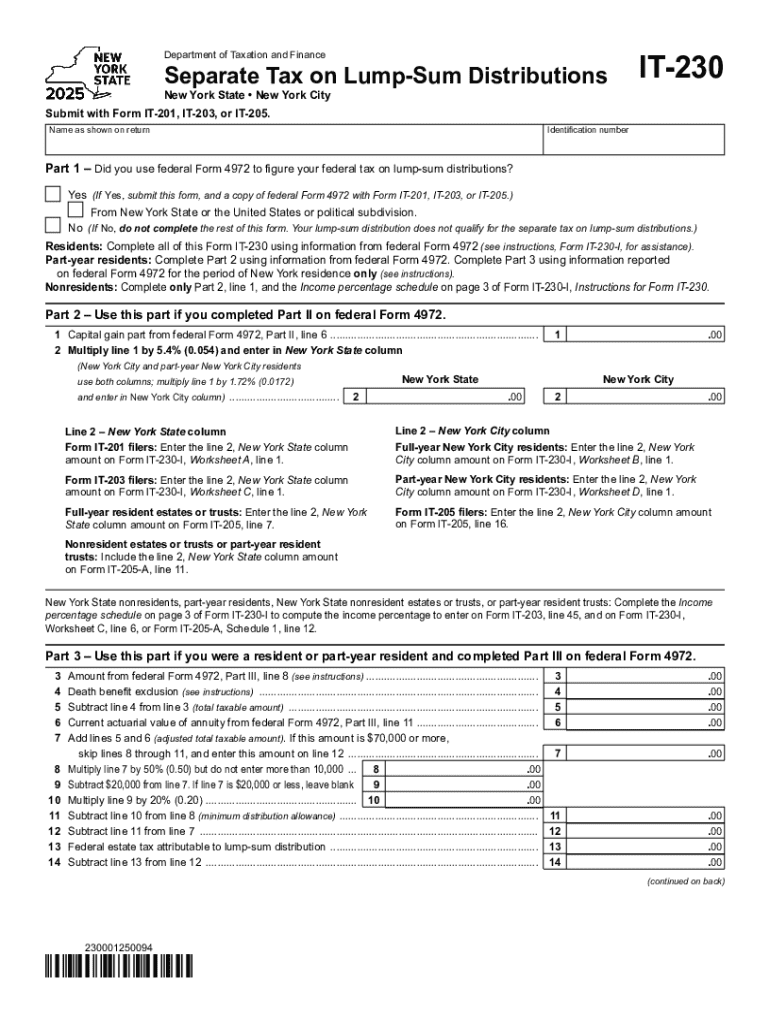







Definition and Purpose of Income Tax Part-Year Resident Forms
Income tax part-year resident forms are specialized documents used to report income tax for individuals who have changed their state residency status during the tax year. These forms allow taxpayers to accurately reflect their income and tax obligations for the periods of the year they were residents of different states. Individuals who relocate due to work, personal reasons, or any other circumstance that affects their residency must use these forms to ensure that their taxes are filed correctly and in compliance with both federal and state regulations.
Key Elements of the Forms
- Residency Periods: Indicate the exact dates of residency in each state.
- Income Allocation: Break down income earned in each state during the respective residency periods.
- Tax Credits: Report any credits that apply to part-year residents, including those for taxes paid to other jurisdictions.
- Adjustments and Deductions: List adjustments that pertain specifically to the residency period, like moving expenses if applicable.
How to Use Income Tax Part-Year Resident Forms
Successfully using the part-year resident forms involves understanding their components and careful completion. Here are step-by-step instructions:
- Determine Residency Periods: Clearly define the dates when you lived in each state. This determination will guide tax liability allocations.
- Gather Income Documentation: Collect W-2s, 1099s, and other income-related documents that show income during your residency in each state.
- Allocate Income: Use the forms to designate the portion of your total income that belongs to each state. This can include wages, dividends, and other sources.
- Calculate Deductions and Credits: Apply any state-specific deductions or tax credits appropriately for each period of residency.
- Complete the Form: Follow the instructions specific to each form to fill out all the necessary fields accurately.
Errors to Avoid
- Inaccurate Dates: Ensure residency start and end dates are correct.
- Incorrect Income Division: Double-check income allocations for precision.
- Overlooking Deductions: Include all pertinent deductions that apply to your residency.
How to Obtain Income Tax Part-Year Resident Forms
Access to these forms is generally straightforward:
- State Tax Department Websites: Visit the official website of the tax department for the states where you were a resident during the tax year. Most of these sites have downloadable forms.
- Tax Software: Many tax preparation software, like TurboTax, include part-year resident forms and guidelines for completion.
- Tax Preparation Offices: Request forms from professional tax preparation services if preferred.
Steps to Complete Income Tax Part-Year Resident Forms
The completion of these forms may vary by state, but generally involves these steps:
- Download the Appropriate Form: Access the required form from the state's tax department.
- Fill in Personal Information: Include your name, Social Security number, and addresses.
- Indicate Residency Periods: Clearly state residency dates for each state.
- Enter Income Details: Allocate income accurately across states based on your period of residency.
- Apply Credits and Deductions: Ensure all applicable tax credits and deductions are correctly applied.
- Review and Submit: Review the completed form for accuracy before submission. Forms can typically be submitted online, by mail, or sometimes in person.
IRS Guidelines and Filing Deadlines
Adhering to IRS and state-specific deadlines is crucial to avoid penalties:
- Federal Guidelines: Ensure federal tax was filed accurately considering state residency.
- State Deadlines: Confirm due dates on the respective state's tax department websites. While many states adhere to the April 15 deadline, some may vary.
Filing Assistance
- Local Tax Assistance Centers: Utilize free resources for filing help.
- Tax Advisors: Consider consulting with a tax professional for complex situations.
Required Documents for Submission
Prepare the following documents:
- State and Federal W-2s and 1099s: Reflecting income earned in each state.
- Moving Expense Records: If deductions apply for relocation.
- Proof of Residency: Lease agreements, utility bills, or voter registration that establish residency duration.
Penalties for Non-Compliance
Failing to file your taxes accurately and on time can result in:
- Fines and Interest: Charged on late payments or underpayments.
- State-Specific Penal Codes: Review each state's penalty provisions, which can vary widely.
- Corrective Measures: Amend filings promptly if errors are discovered post submission.
State-by-State Differences in Income Tax Part-Year Resident Forms
The rules, requirements, and even the availability of part-year resident forms can vary significantly between states.
Considerations
- Income Allocation Methods: Some states have different ways to calculate and report income for part-year residents.
- Tax Rates and Brackets: Residence states may have variations in tax rates and taxable income brackets.
- Specific Deductions: Certain state-specific deductions may apply only during the period of residency.
Understanding these nuances will ensure compliance and potentially optimize your tax obligations. Always refer to the latest instructions from each state for the current year to stay updated on any changes.


