




01. Edit your form online
Type text, add images, blackout confidential details, add comments, highlights and more.

Type text, add images, blackout confidential details, add comments, highlights and more.

Draw your signature, type it, upload its image, or use your mobile device as a signature pad.

Send it via email, link, or fax. You can also download it, export it or print it out.
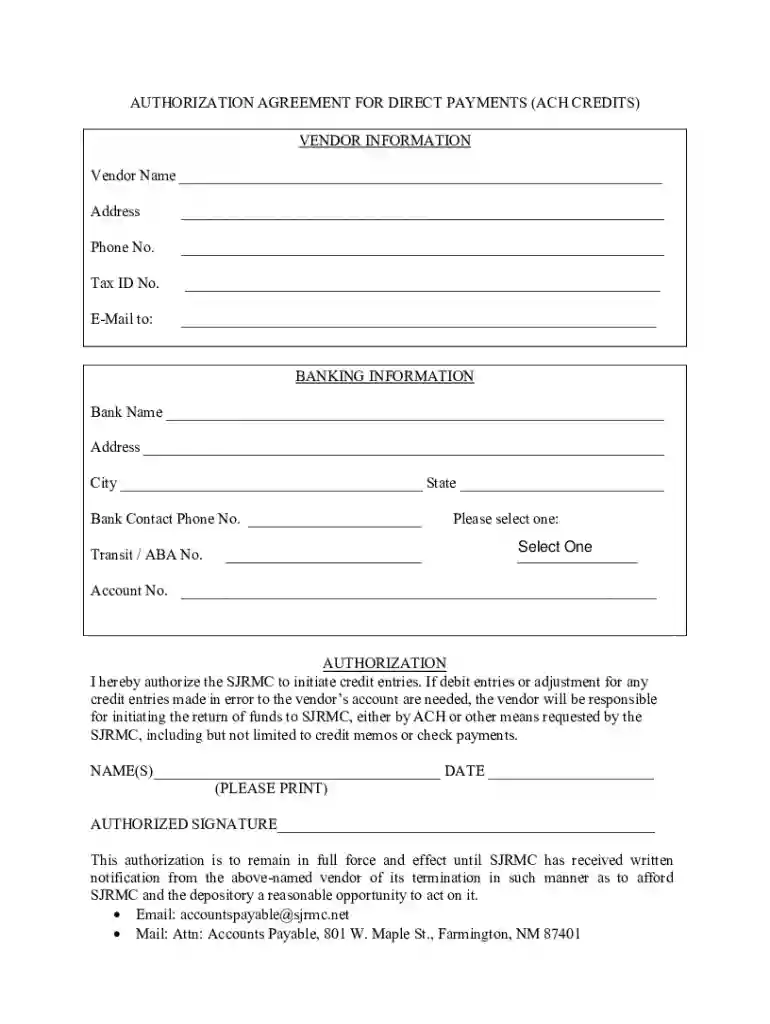
The ACH Direct Deposit Authorization for Vendor Payments is a formal document that allows a business to authorize direct deposits for payments to their vendor accounts. Through ACH (Automated Clearing House) transactions, businesses can facilitate electronic funds transfers directly into a vendor's bank account. This system ensures efficient, secure, and timely payments, minimizing the need for paper checks and manual transactions. An ACH direct deposit authorization specifically focuses on vendor payments, streamlining accounting operations and reducing the burden of financial management. Understanding the nuances of this form is crucial for companies seeking to enhance efficiency in their payment processes.
Using the ACH Direct Deposit Authorization for Vendor Payments involves several critical steps. Initially, businesses must obtain the necessary banking details from their vendors, which typically include bank account numbers and routing numbers. Once this information is collected, it can be input into the authorization form.
Next, the form should be thoroughly reviewed to ensure accuracy and completeness. Any missing or incorrect information could delay payment processing or result in errors. Once completed, the form must be signed by an authorized representative of the business and the vendor, signifying mutual agreement to the direct deposit terms. The signed form is then sent to the bank or financial institution responsible for processing the ACH transactions. Electronic archiving of these forms is advisable for future references and audits.
Collect Vendor Information: Gather the vendor's bank account and routing numbers, and verify the details.
Fill Out the Authorization Form: Enter the vendor's information, including name, contact details, and banking information. Ensure all data is accurate.
Review the Form: Check the form for completeness and verify that all details are correct to prevent errors.
Sign the Form: Obtain signatures from both the company's authorized representative and the vendor to finalize the authorization.
Submit the Form: Send the completed and signed form to the financial institution or bank processing the ACH transactions.
Recordkeeping: File the completed form electronically or physically for documentation and compliance purposes.
Monitor Transactions: Regularly check the accuracy and timeliness of the executed ACH transactions.
The advantages of using ACH Direct Deposit Authorization for Vendor Payments are numerous. Firstly, it provides a more efficient way to handle transactions, reducing the time and effort associated with issuing and managing checks. Automated transactions lower the risk of errors and the likelihood of payment delays. This method also supports cash flow management, as businesses can better anticipate and manage outgoing payments.
Security and compliance are heightened with ACH transactions. The system is governed by federal regulations and institutional protocols, ensuring that transactions are secure and compliant with financial standards. Moreover, reduced paper use aligns with environmentally sustainable practices and reduces administrative costs.
The implementation of ACH Direct Deposit Authorization for Vendor Payments must align with legal standards stipulated by relevant authorities such as the NACHA (National Automated Clearing House Association) and under the Electronic Fund Transfer Act. Legal use means adhering to privacy policies that protect the confidentiality of banking details and ensuring that all involved parties consent to the terms outlined in the authorization form.
Contracts should be clear on terms including dispute resolution, transaction limits, and termination conditions. Keeping detailed records of these transactions can also help resolve any future discrepancies or legal matters. Legal compliance ensures that businesses can safely integrate ACH payments into their financial systems without fear of regulatory infractions.
Consider a mid-sized retail company that frequently purchases inventory from multiple suppliers. Instead of issuing checks, the company uses ACH Direct Deposit Authorization for Vendor Payments to automate payments to these suppliers. By doing so, payments are transmitted directly and efficiently, reducing lag time and improving supplier relationships through timely compensation.
Another scenario could involve a tech startup that outsources development work to various contract firms. The startup authorizes ACH payments to ensure that contractors are paid promptly at the completion of each project phase, facilitating smooth project progression and maintaining goodwill with their partners.
Businesses with regular payment obligations to vendors or suppliers stand to benefit significantly from ACH direct deposit. These businesses include:
These organizations find ACH transactions crucial for maintaining a smooth, efficient, and reliable cash flow.
At DocHub, your data security is our priority. We follow HIPAA, SOC2, GDPR, and other standards, so you can work on your documents with confidence.
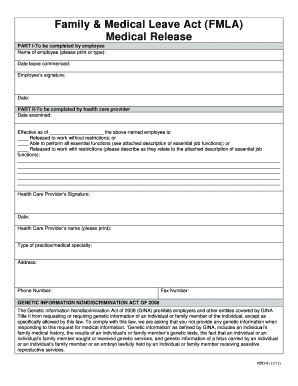


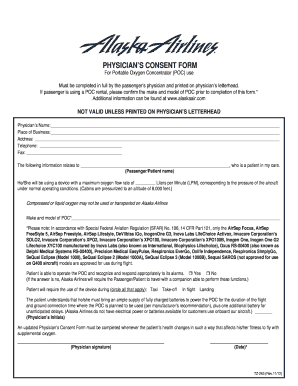


A: To change your banking information, please complete the ACH Direct Deposit Form and submit to AtlantaAP.Center@cox.com. For all other information changesRead more
I understand that this authorization will remain in full force and effect until USD AP has received written notification requesting a change or cancellation
AUTHORIZATION FOR VENDOR PAYMENTS. Page 2. Purpose: To provide information to the State of Maryland for ACH/Direct Deposit. Who will use the form? VendorsRead more


