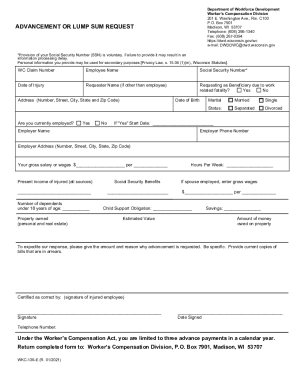
Definition & Purpose of the Evidence Receipt & Property Report - WCSO
The "Evidence Receipt & Property Report - WCSO" is a critical form used in law enforcement. This document is primarily used by the Washington County Sheriff’s Office (WCSO) to record and manage evidence or property that comes into their custody. The form ensures a clear and documented chain of custody for every item, which is an essential aspect of maintaining the integrity of evidence in legal proceedings.
- Chain of Custody: Outlines each step in the handling of evidence, ensuring legal admissibility.
- Property Management: Keeps track of personal property for retrieval by owners once investigations or proceedings are complete.
- Incident Documentation: Records details relevant to specific incidents, linking evidence directly to cases.
How to Use the Evidence Receipt & Property Report - WCSO
Using this form correctly is vital for maintaining the integrity of evidence. Below is a step-by-step guide on how to fill it out:
-
Identify the Item: Clearly list each item of evidence or property, including detailed descriptions to prevent misidentification.
-
Case-Related Information: Include incident and case numbers to link the evidence to the correct investigation.
-
Officer Details: The officer collecting the evidence must include their badge number and contact information.
-
Date and Time Stamps: Record precise dates and times when evidence was collected and any subsequent transfers.
-
Item Condition: Document any noticeable conditions or identifiers, such as marks, labels, or damages, upon receipt.
How to Obtain the Evidence Receipt & Property Report - WCSO
Access to the "Evidence Receipt & Property Report - WCSO" is typically restricted to authorized personnel within the Washington County Sheriff's Office. However, affected parties or legal representatives can often obtain a copy by submitting a formal request to the WCSO with proper identification and case reference.
- Formal Request: Required to ensure legal and authorized release of information.
- Identification: Proof of identity and involvement in the case may be required to access the form.
- Contact Information: Direct requests through the WCSO’s public records contact or legal affairs division.
Steps to Complete the Evidence Receipt & Property Report - WCSO
Filling out the form requires careful attention to details. Here's a structured process:
- Complete Preliminary Information: Fill out officer name, badge number, and date of collection.
- Detail Each Evidence Item: Record descriptions, conditions, and any identifiable markings.
- Include Case Details: Add incident number and relevant case notes to associate the evidence correctly.
- Signatures: Obtain necessary signatures from the receiving and handing officers to certify the receipt and condition of items.
Key Elements of the Evidence Receipt & Property Report - WCSO
Understanding the critical components of this form can help ensure its proper completion:
- Identification Fields: Space is provided for all identifying marks and information related to the evidence.
- Officer and Case Details: Specific sections are dedicated to the officer's name, badge number, and case numbers.
- Signature Lines: Required certifications from officers involved in the handling and transfer of evidence.
Legal Use of the Evidence Receipt & Property Report - WCSO
The legal validity of this form lies in its ability to provide a clear trail of the handling of evidence:
- Court Admissibility: Proper completion and handling ensure evidence is admissible in court by proving continuous custody.
- Compliance: Adhering to protocol avoids legal challenges that could arise from mishandled evidence.
- Documentation: Provides detailed records that can be referenced during trials or legal disputes.
State-Specific Rules for the Evidence Receipt & Property Report - WCSO
In Utah, where the WCSO operates, specific state regulations govern the use of this form:
- State Compliance: The form must align with Utah’s evidence handling laws and regulations.
- Audit Requirements: Regular audits ensure adherence to state standards for the management of evidence.
- Training for Officers: Officers handling this form receive specific training on state rules and department protocols to ensure compliance.
Examples of Using the Evidence Receipt & Property Report - WCSO
To better understand its application, consider these scenarios:
- Criminal Case Investigation: When evidence is collected at a crime scene, this form tracks each item's journey from collection to courtroom presentation.
- Lost Property Retrieval: Citizens retrieving lost items can use this form to reclaim their property, provided it was documented accurately upon intake.
Including these examples demonstrates the form's flexibility in handling both legal evidence and personal property.