Understanding the Surplus Lines Declination Form
The "surplus lines declination form blank" is an essential document in the insurance industry within the United States. It is used by insurance agents and brokers when conventional insurance coverage is unavailable through the standard market. This form typically records the declination from authorized insurers, demonstrating that the business or individual seeking insurance was denied coverage, thereby permitting the exploration of surplus lines insurance. Surplus lines insurance is often utilized for unique or high-risk situations where traditional coverage is not accessible.
How to Use the Surplus Lines Declination Form
Using the surplus lines declination form involves various steps to ensure compliance with legal and industry standards. The process generally begins when an insurance broker attempts to place coverage through the admitted market but is unable to do so due to the nature of the risk involved. Here’s how to effectively use the form:
- Identify the risk or coverage that is unavailable through standard insurers.
- Collect declination documentation from at least three authorized insurers; these denials are captured in the declination form.
- Submit the completed form as part of the application for surplus lines coverage.
Using this form correctly is critical to demonstrating that all standard avenues were pursued before opting for surplus lines insurance.
Steps to Complete the Surplus Lines Declination Form
Completing the surplus lines declination form requires accuracy and attention to detail. Here are the steps typically involved:
- Identify Applicant Information: Enter the policyholder’s name, address, and contact details.
- Detail of Coverage Sought: Specify the type and amount of insurance being requested.
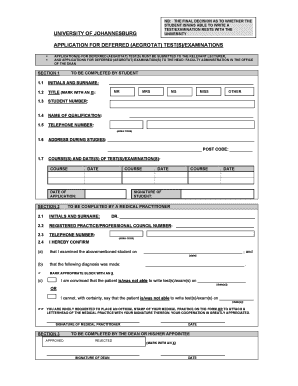
- Record of Declinations: Document the declinations received, including the name of the insurers, the date of decline, and the reason for declination.
- Broker Information: Fill in the details of the broker processing the application, such as name, license number, and contact information.
- Signature and Date: The broker and sometimes the applicant may need to sign the form to verify its accuracy.
Ensure every section is filled completely to maintain compliance and support the application for surplus lines coverage.
Who Typically Uses the Surplus Lines Declination Form
The surplus lines declination form is primarily used by insurance brokers, risk managers, and businesses dealing with non-standard coverage needs. These entities often face unique risks that are not readily insurable through the admitted market. Examples include:
- Construction Companies: Seeking coverage for high-risk projects or operations.
- Technology Firms: In need of specialized cyber liability insurance.
- Entertainers and Event Planners: Requiring coverage for unique events or performances.
These users depend on the form to access needed insurance through surplus lines providers.


State-Specific Rules for the Surplus Lines Declination Form
Different states may have varying regulations and requirements concerning the use of surplus lines declination forms. Some states might demand a higher number of declinations or have specific conditions under which surplus lines insurance can be pursued. For example:
- California: Requires documentation of three declinations.
- New York: Allows for surplus lines placement if specific coverage cannot be procured through the admitted market.
- Texas: Mandates surplus lines filings to be made through a licensed surplus lines broker.
Understanding state-specific rules is crucial for compliance and ensuring that the insurance coverage is legally procured.
Key Elements of the Surplus Lines Declination Form
The surplus lines declination form is composed of specific sections that must be filled accurately. These key elements include:
- Insured's Information: Captures details about the party seeking coverage.
- Coverage Details: Specifies the type and amount of coverage sought.
- Declining Insurers: Lists the insurers that have declined to offer coverage, including the reasons.
- Broker Details: Information about the broker handling the form.
- Signatures: Provides authorization and verification of the information provided.
Each element serves a distinct purpose in ensuring the form's validity and supporting the need for surplus lines coverage.
Legal Use of the Surplus Lines Declination Form
The surplus lines declination form is not just a procedural document but a legally significant one. It fulfills compliance requirements for accessing the non-admitted insurance market in the U.S. Brokers must ensure:
- Due Diligence: Make a genuine effort to procure coverage through the admitted market first.
- Transparent Documentation: Properly fill and maintain the form as evidence of attempts to place coverage.
- Regulatory Compliance: Adhere to state laws governing surplus lines insurance.
By following these legal considerations, the form aids in the ethical and lawful procurement of insurance.
Versions or Alternatives to the Surplus Lines Declination Form
While the surplus lines declination form has a standard format, some variations may exist based on the jurisdiction or specific insurers’ requirements. Alternatives or supplementary documents might include:
- Declination Letters: Direct communications from insurers documenting coverage rejections.
- Supplementary Certification Forms: Additional paperwork required by certain states for specific types of coverage.
Being aware of these options ensures that brokers can flexibly respond to varied requirements for securing surplus lines insurance.