






Definition & Meaning
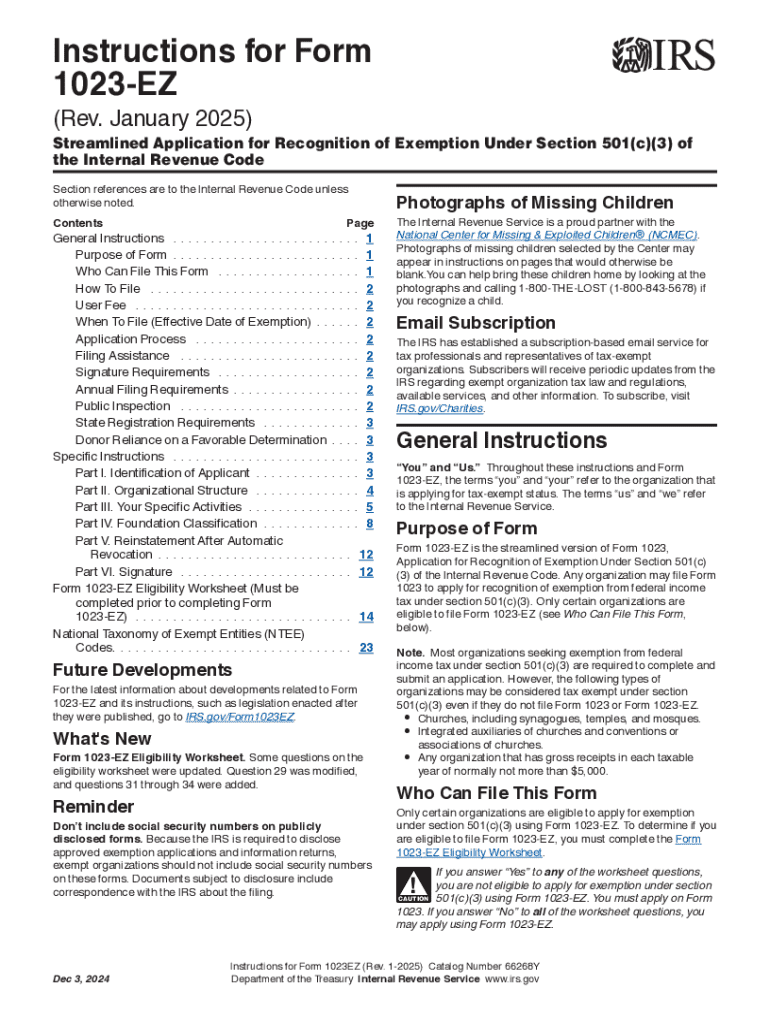
The term "Donor Reliance on a Favorable Determination" refers to the ability of donors to rely on an organization's tax-exempt status, as determined favorably by the IRS, to ensure their donations are deductible. This determination is critical for maintaining donor confidence and ensuring compliance with IRS regulations. When an organization receives a favorable determination under Section 501(c)(3), it assures donors that their contributions will be considered tax-deductible.
Importance of a Favorable Determination
A favorable determination is essential for nonprofit organizations because it not only validates their eligibility for tax-exempt status but also bolsters donor confidence. Donors are more likely to contribute when they know their donations are tax-deductible, which can significantly impact a nonprofit’s ability to secure funding. This determination creates a legal and financial framework within which both the organization and its donors can operate securely.
How to Use the Donor Reliance on a Favorable Determination
Application of the Determination
Organizations can use favorable determination letters as proof of their tax-exempt status to potential donors and grant-making bodies. These letters can be presented during fundraising activities to reassure donors. Additionally, many grant applications require evidence of tax-exempt status, which can be substantiated through this determination.
Concerns for Donors
Donors should verify the tax-exempt status of an organization before making significant contributions. Typically, this involves reviewing the recipient's favorable determination letter or checking the IRS’s Exempt Organizations Select Check database.
Steps to Complete the Donor Reliance on a Favorable Determination
- Apply for Tax-Exempt Status: Organizations must initially apply using the IRS Form 1023 or 1023-EZ to obtain tax-exempt status under 501(c)(3).
- Receive the Determination Letter: Once approved, the IRS will issue a favorable determination letter.
- Maintain Compliance: Organizations must adhere to regulatory requirements, including filing Form 990 annually, to uphold their status.
- Inform Donors: Upon receiving the letter, inform potential and existing donors of the tax-deductible nature of donations.
Maintaining the Favorable Determination
Regular compliance checks are necessary to ensure the continued validity of the tax-exempt status. Noncompliance with IRS regulations can jeopardize the organization’s standing, which in turn affects donor reliance and confidence.
Legal Use of the Donor Reliance on a Favorable Determination
Compliance and Legal Framework
A favorable determination acts as a legal safeguard for both organizations and donors, ensuring that contributions are made in line with federal tax provisions. Organizations must comply with specific legal requirements to maintain this status, which involves adhering to IRS regulations and avoiding any political activities that could compromise their standing.
Protections for Donors
Donors are protected under the IRS code ensuring their donations are tax-deductible, as long as the organization maintains its tax-exempt status. The determination letter provides a legal assurance to donors that their contributions meet IRS criteria for deductions.
Key Elements of the Donor Reliance on a Favorable Determination
- IRS Determination Letter: This is the formal documentation confirming tax-exempt status.
- Nonprofit Compliance: Adhering to operational, reporting, and compliance standards as set by the IRS.
- Donor Assurance: Confidence that donations are tax-deductible.
- Public Information: Maintaining transparency by keeping the determination letter accessible to the public and potential donors.
IRS Guidelines
The IRS provides specific guidelines for organizations to attain and maintain tax-exempt status. These include annual reporting requirements, restrictions on political campaign involvement, and limits on lobbying activities. The organization must operate for religious, charitable, scientific, or other exempt purposes to receive and rely on favorable determination.
Understanding IRS Expectations
- Annual Filings (Form 990): Organizations must file annually to report income, expenditures, and activities.
- Operational Restrictions: Must not substantially benefit private interests or deviate from stated exempt purposes.
Eligibility Criteria


Requirements for Organizations
To qualify for donor reliance on a favorable determination, organizations must:
- Be organized and operated exclusively for exempt purposes set forth in section 501(c)(3)
- Ensure that no part of their earnings inure to private shareholders or individuals
- Avoid substantial involvement in political campaigns or lobbying
Reevaluation of Eligibility
Organizations may be subject to occasional reevaluation by the IRS to ensure continued adherence to the initial conditions of their tax-exempt status.
Penalties for Non-Compliance
Risks and Repercussions
Failure to comply with IRS regulations can result in penalties, including the revocation of tax-exempt status and potential tax liabilities. Organizations may face additional scrutiny if found in violation of any conditions tied to their exempt status, affecting both their reputation and ability to secure donations.
Avoiding Penalties
To avoid penalties, nonprofits should maintain meticulous records, adhere to filing deadlines, and ensure all operational activities are in line with their stated exempt purposes. Regular audits and consultations with a tax professional can aid in maintaining compliance.
By comprehensively understanding the nuances of donor reliance on a favorable determination, organizations can maximize their donor engagement and ensure long-term financial stability.