Definition & Meaning
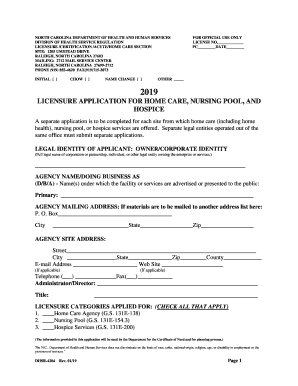
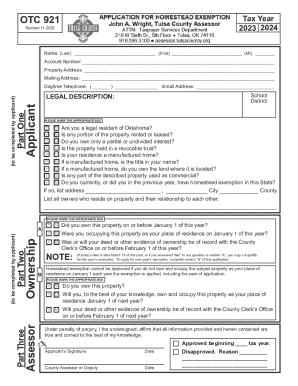
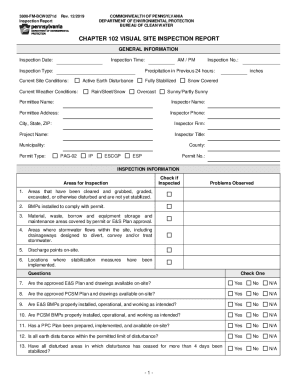
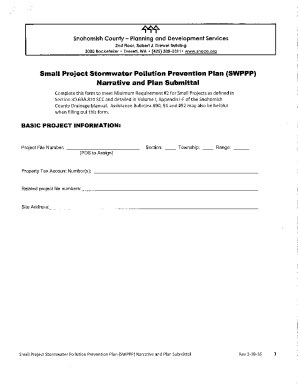
The commercial applicator application is a form required for individuals or entities seeking to obtain a license to apply pesticides for commercial purposes. This document serves as both a regulatory requirement and a means to ensure that applicants meet the necessary qualifications to safely and effectively use pesticides in compliance with state laws and regulations. In the United States, each state may have specific versions of this application to address local agricultural and environmental needs.
How to Use the Commercial Applicator Application
Utilizing the commercial applicator application involves several key steps that must be carefully followed to ensure a successful application process. First, applicants need to gather necessary information and documents, such as proof of completed training courses, prior experience, and, if applicable, records of past licensing. Once prepared, applicants must fill out the form accurately, providing details about the types of pesticides they intend to use and the categories they are applying for. A critical part of the application involves understanding and selecting the correct categories of pest control, as these determine the scope and limitations of the license granted.
How to Obtain the Commercial Applicator Application
To obtain a commercial applicator application, individuals should contact their state's relevant agricultural or environmental agency. Most agencies provide online access to the forms, allowing applicants to download and print them. Alternatively, paper copies can often be requested by mail or picked up in person at a local agency office. It is advisable to check state-specific websites for any alphanumeric code associated with the form, which varies by state, such as "DNAPL-101" for the Department of Agriculture Pesticide Licensing.
Steps to Complete the Commercial Applicator Application
-
Gather Required Information: Collect personal data, previous licensing history, and details of relevant training or certifications.
-
Complete the Form: Fill out each section of the application carefully, ensuring all information is accurate and up-to-date.
-
Submit Proof of Eligibility: Attach any required documentation, such as certification of completed training or experience records.
-
Pay Associated Fees: Include the appropriate fee, which may vary by state and category of application sought.
-
Review and Submit: Check for completeness and accuracy before submitting the form via the prescribed method.
Required Documents
Applicants must submit various documents as part of their application process. These typically include proof of identity, certification of pesticide training, records of previous licenses, and letters of recommendation for first-time applicants. Additionally, some states may require applicants to present proof of insurance or liability coverage. It is important to check with the relevant state agency to ensure compliance with document requirements and avoid delays in processing.
Legal Use of the Commercial Applicator Application
The commercial applicator license obtained through this application permits the holder to legally apply pesticides in a commercial capacity within the state of issuance. It is crucial to adhere strictly to state and federal environmental laws and guidelines, including the Federal Insecticide, Fungicide, and Rodenticide Act (FIFRA). Licensed applicators must also comply with local ordinances and restrictions relating to pesticide use, ensuring the safety of the environment and public health.
Important Terms Related to Commercial Applicator Application
Understanding the terminology associated with the commercial applicator application is vital:
-
Pesticide: A substance used for destroying insects or other organisms harmful to cultivated plants or animals.
-
Category: Specific areas of pest control the applicant is qualified to handle (e.g., agricultural, structural).
-
Restricted Use: A classification of pesticides that can only be applied by or under the direct supervision of a certified applicator.
-
Certification: The formal recognition of an individual's qualifications to apply pesticides commercially.
State-Specific Rules for the Commercial Applicator Application
Every state in the U.S. has unique rules governing the application and use of commercial applicator licenses. These rules determine the application process, required qualifications, and the types of categories available. For instance, some states may require additional exams or assessments tailored to regional pest issues and agricultural practices. It is essential for applicants to research these state-specific requirements thoroughly to ensure compliance and successful licensing. This research can typically be conducted by visiting the state's agricultural department's website or contacting the agency directly.