




01. Edit your form online
Type text, add images, blackout confidential details, add comments, highlights and more.

Type text, add images, blackout confidential details, add comments, highlights and more.

Draw your signature, type it, upload its image, or use your mobile device as a signature pad.

Send it via email, link, or fax. You can also download it, export it or print it out.
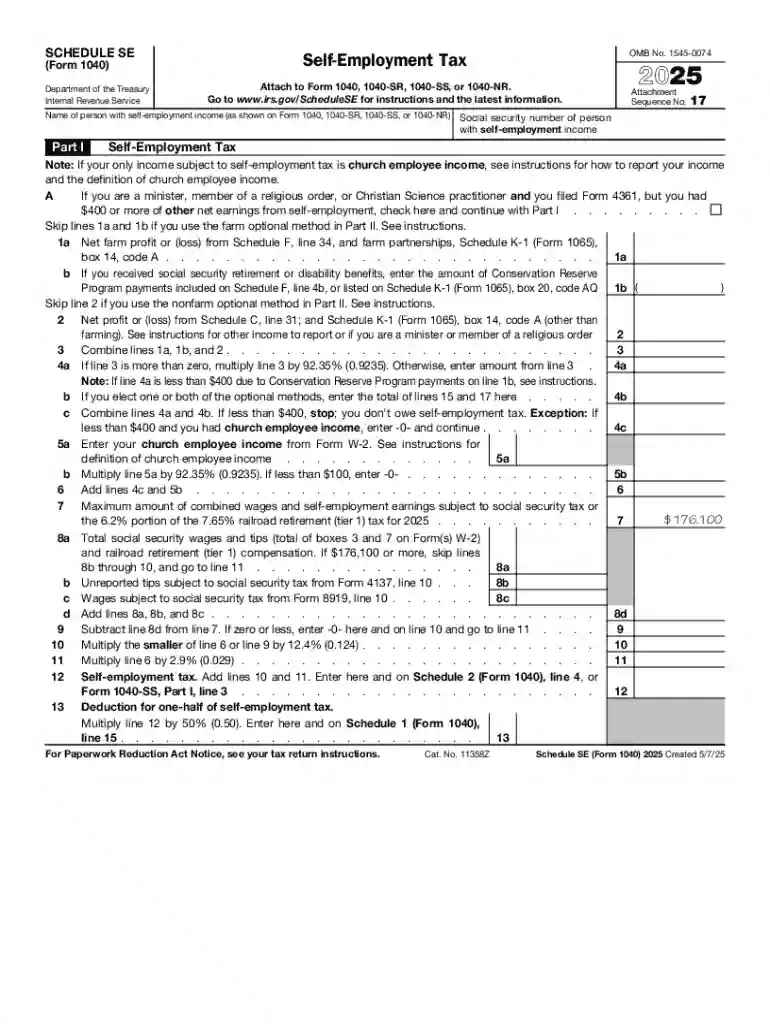
The 2025 Schedule SE (Form 1040) is a crucial document for calculating self-employment tax, a tax consisting of Social Security and Medicare taxes primarily for individuals who work for themselves. This tax is similar to the taxes withheld from the pay of most wage earners. While employees have these taxes calculated and withheld by employers, individuals who are self-employed must compute these themselves using Schedule SE. Completion of this form is important for accurately reporting and fulfilling tax obligations related to self-employment income.
Completing the 2025 Schedule SE involves a series of precise steps to ensure accurate calculation and reporting. Here’s a detailed guide:
Determine Net Earnings: Calculate your net earnings from self-employment. This is typically your gross income minus expenses.
Compile Total Self-Employment Income: Add all self-employment income sources to get your total earnings, which is crucial for Step 3.
Calculate Self-Employment Tax: Use the IRS provided formula or rate to calculate the tax on your self-employment income. This involves multiplying your net earnings from self-employment by the applicable tax rate.
Deduct a Portion of the SE Tax: You can deduct the employer-equivalent portion of your SE tax when figuring your adjusted gross income.
Fill in Required Sections: Enter the calculated figures in the respective sections of Schedule SE and ensure all fields are completed accurately.
Understanding key terminology is essential for accurately completing Schedule SE:
These terms are vital for understanding the calculations and implications of the Schedule SE.
The form is primarily used by individuals with self-employment income. This includes:
These groups rely on Schedule SE to determine the taxes owed on their income from self-employment.


The IRS provides comprehensive guidelines for completing Schedule SE, ensuring tax liability is calculated correctly for self-employment earnings:
Following these guidelines helps ensure compliance and accuracy in tax filings.
Adhering to filing deadlines is critical to avoid penalties:
These deadlines should be strictly adhered to for timely submission and to avoid any additional charges.
Several platforms facilitate the completion of Schedule SE:
Such software compatibility can simplify the process of handling self-employment tax obligations.
Failure to properly complete or submit Schedule SE can lead to consequences:
It is crucial for individuals to avoid these penalties by ensuring accurate and timely filing of Schedule SE.
We've got more versions of the 2025 Schedule SE (Form 1040) Self-Employment Tax form. Select the right 2025 Schedule SE (Form 1040) Self-Employment Tax version from the list and start editing it straight away!
| Versions | Form popularity | Fillable & printable |
|---|---|---|
| 2025 | 4.8 Satisfied (20 Votes) | |
| 2024 | 4.9 Satisfied (51 Votes) | |
| 2023 | 4.3 Satisfied (45 Votes) | |
| 2022 | 4.2 Satisfied (48 Votes) | |
| 2021 | 4.9 Satisfied (38 Votes) | |
| 2020 | 4.3 Satisfied (211 Votes) | |
| 2019 | 4.2 Satisfied (61 Votes) | |
| 2018 | 4.3 Satisfied (80 Votes) | |
| 2017 | 4.4 Satisfied (106 Votes) | |
| 2016 | 4.4 Satisfied (445 Votes) | |
| 2015 | 4.3 Satisfied (54 Votes) | |
| 2014 | 3.9 Satisfied (32 Votes) | |
| 2013 | 4.3 Satisfied (48 Votes) | |
| 2012 | 4.2 Satisfied (52 Votes) | |
| 2011 | 4 Satisfied (40 Votes) |
At DocHub, your data security is our priority. We follow HIPAA, SOC2, GDPR, and other standards, so you can work on your documents with confidence.
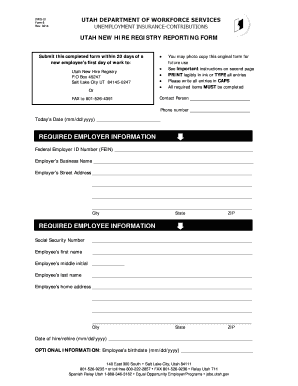


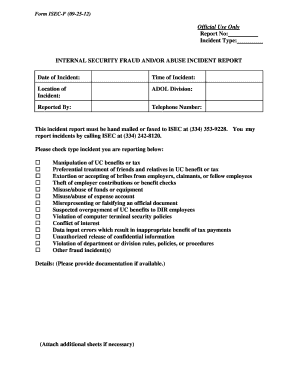


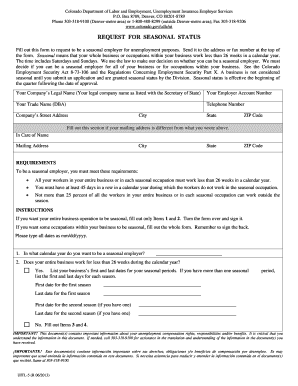
May 7, 2025 Part I. Self-Employment Tax. Note: If your only income subject to self-employment tax is church employee income, see instructions for how toRead more
The deemed earnings for the optional method and the cost of self- employment tax are illustrated for the 2025 calendar year. The deemed earnings are theRead more
Use Schedule SE (Form 1040) to figure your self-employment tax. Self-employment tax is corresponding to the social safety and Medicare tax withheld from an


