






Definition & Meaning
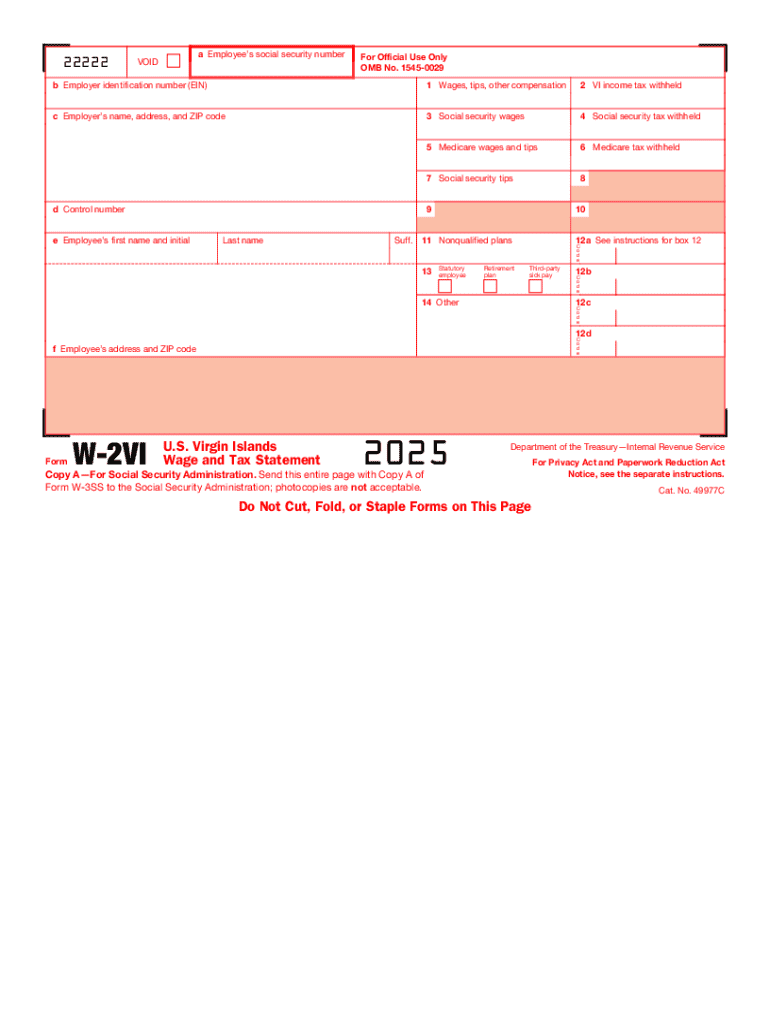
The scannable Copy A relates to forms required for information returns filed with the IRS. It often refers to IRS forms such as 1096, 1099, W-2, etc., which are used to report various types of income other than wages. The "scannable" aspect means these forms are designed to be compatible with IRS processing systems, making them easier to read and reduce the risk of errors during digital processing. These forms are essential for maintaining compliance with U.S. tax reporting requirements.
How to Use the Scannable Copy A for Filing
To use the scannable Copy A effectively, it's crucial to ensure that the form is filled out accurately and completely. Begin by reviewing the form instructions provided by the IRS. Ensure all information, such as payer and recipient details, are entered correctly. Pay special attention to the alignment of text and numbers as the IRS scanning systems rely on precise positioning for accuracy. Use type or a computer printer rather than handwriting to improve readability.
How to Obtain the Scannable Copy A
Scannable Copy A forms can be obtained by ordering them directly from the IRS. This can be done through the IRS Online Ordering for Information Returns and Employer Returns. The forms are also available at some office supply stores, but it's recommended to obtain them directly from the IRS to ensure compatibility with their scanning systems. Keep in mind that these forms are printed on special paper that cannot be easily replicated manually.
Steps to Complete the Scannable Copy A
- Gather Necessary Information: Before starting, collect all the information needed for the form, including EIN or SSN, payer's name and address, and any amounts reported.
- Fill Out the Form: Utilize a typewriter or a computer to complete the form, ensuring that all entries are clear and within the designated fields.
- Review for Accuracy: Double-check all information entered against source documents to ensure accuracy.
- Submit by Deadline: Make sure that completed forms are submitted to the IRS no later than the filing deadline to avoid penalties.
Why Use the Scannable Copy A
Using the scannable Copy A ensures that your information return will be processed efficiently by the IRS's automated systems. This reduces the likelihood of errors that can occur during manual entry and improves the speed of processing. Compliance with IRS filing requirements is crucial for avoiding penalties. The scannable feature enhances readability and helps prevent delays caused by misprocessing due to illegible or misaligned entries.
Important Terms Related to Scannable Copy A
- Information Returns: Forms like W-2 or 1096 that provide information to the IRS about income and taxes withheld.
- Electronic File: A digital format submitted through IRS e-file, offering a quick and paperless alternative to scannable forms.
- EIN: Employer Identification Number used to identify the business entity filing information returns.
- Recipient: The individual or entity receiving income reported on information returns.
IRS Guidelines
The IRS provides specific guidelines for filing scannable Copy A forms. Adherence to these guidelines ensures that your submission meets federal requirements and avoids common mistakes that can lead to processing delays or rejections. Some important guidelines include the requirement for the use of official IRS forms obtained directly from their ordering system, as copies made from other forms are not accepted.
Filing Deadlines / Important Dates
The IRS imposes strict deadlines for submitting scannable Copy A forms. For instance, most forms like 1099 must be filed by January 31 if reporting nonemployee compensation, or by the end of February if filed on paper for other scenarios. It is crucial to verify the specific deadline applicable to the form being submitted to maintain compliance.
Penalties for Non-Compliance
Failing to comply with IRS deadlines or submission requirements for scannable Copy A can result in significant penalties. Section 6721 of the Internal Revenue Code dictates fines for late submissions, incorrect information, or failing to file altogether. Penalties can range from $50 to $270 per form, depending on the duration of delay and the size of the business, with a maximum annual penalty exceeding $3 million for large corporations. Proper understanding and adherence to filing guidelines help mitigate the risk of these penalties.