




01. Edit your isf form online
Type text, add images, blackout confidential details, add comments, highlights and more.

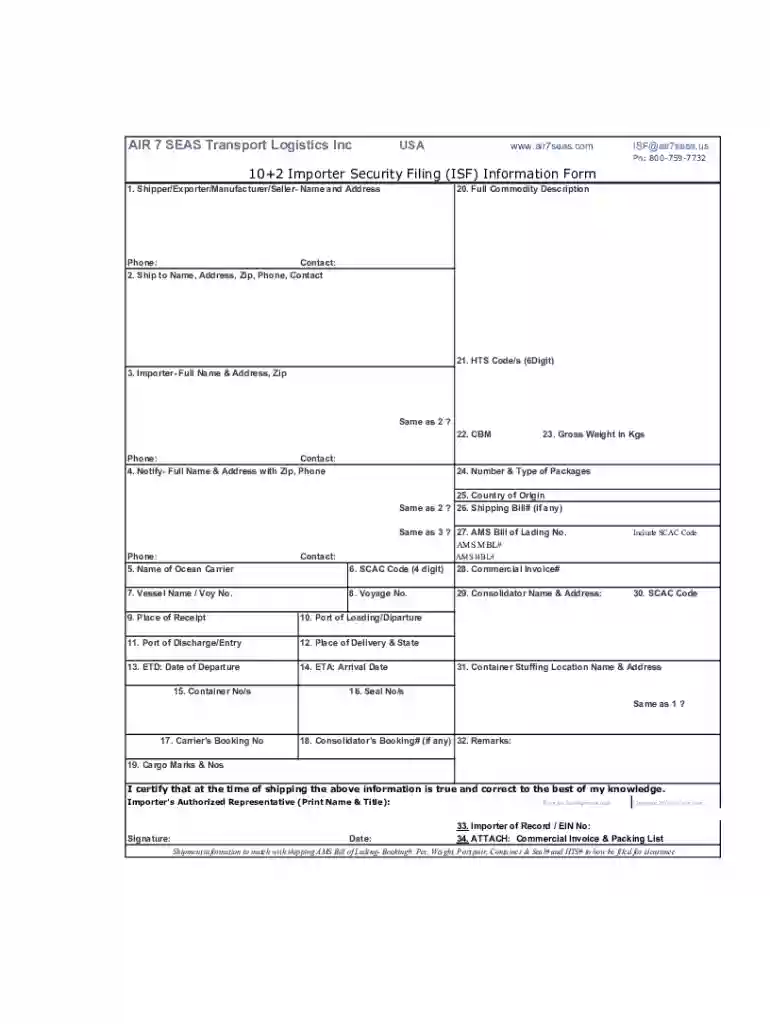
Type text, add images, blackout confidential details, add comments, highlights and more.

Draw your signature, type it, upload its image, or use your mobile device as a signature pad.

Send isf form template via email, link, or fax. You can also download it, export it or print it out.
The Importer Security Filing (ISF) Information Form is a critical document required for sea shipments entering the United States. It is intended to collect essential data about the shipment, including the shipper's details, commodity descriptions, and shipping logistics. This form helps ensure compliance with customs regulations and enables a smooth customs clearance process. Failure to submit accurate information can result in penalties, making it essential for importers to understand and appropriately fill out the ISF form.
To use the ISF form effectively, importers must gather specific details pertinent to their cargo and shipment. The information required typically includes the names and addresses of the consignee and buyer, the importer of record, descriptions of the goods, and the security filing number. Importers must complete this form accurately to ensure compliance with U.S. Customs and Border Protection (CBP) requirements. The form is typically submitted electronically through a customs broker or freight forwarder, who will then transmit the data to CBP.
Using the ISF form is mandatory for importers who ship goods via ocean freight to the U.S. It enables CBP to identify high-risk shipments to prevent security threats and smuggling. Submitting the ISF form accurately and on time not only ensures compliance with U.S. laws but also prevents delays and penalties that can disrupt business operations. The accurate filing of this form facilitates a smooth customs clearance process, reducing potential hold-ups at ports.
The ISF form's submission is legally required under the Safe Port Act. Compliance is monitored by CBP, and non-compliance can result in significant fines, penalties, and shipment delays. Importers must ensure that all information provided is accurate and submitted electronically at least 24 hours before the cargo is loaded onto the vessel bound for the United States.
To complete the ISF form, importers need several documents, including the commercial invoice, purchase order, packing list, and other documentation related to the shipment's logistics. These documents serve as a basis for the information that must be compiled and submitted to CBP.
Non-compliance with ISF filing requirements can result in severe penalties. The CBP may impose fines of up to $5,000 for incomplete or late submissions. In addition, shipments may be detained or refused entry, causing potential loss of business and increased operational costs. Therefore, it is crucial for importers to adhere strictly to the filing requirements and deadlines associated with ISF submissions.
The ISF form must be submitted electronically through the Automated Manifest System (AMS). It is commonly completed by customs brokers or freight forwarders on behalf of the importer. This electronic submission ensures that information is securely and accurately transmitted to CBP, facilitating efficient processing and compliance monitoring. In-person or mail submissions are not feasible given the electronic nature of the system and federal regulations requiring digital submissions.
The ISF form is predominantly digital as it integrates into CBP's electronic systems. The digital nature of the ISF filing ensures expedited processing and more straightforward monitoring of compliance. Paper versions are not typically used or accepted due to regulatory requirements for electronic filing. The digital format enhances data accuracy and provides immediate acknowledgment of receipt by CBP, avoiding potential delays experienced with paper submissions.
At DocHub, your data security is our priority. We follow HIPAA, SOC2, GDPR, and other standards, so you can work on your documents with confidence.



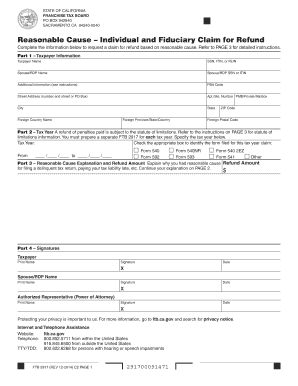
May 6, 2019 For all ocean shipments, please complete the attached ISF10+2 Form as indicated in the. Instructions document and follow the process described
ISF Declaration Form ISF Course of Study Update Form Declaration Form Sample Answers to Short Questions Sample Senior Thesis Senior Thesis Guidelines
Nov 4, 2025 The Import Security Filing (ISF), which is also commonly known as 10+2 is required to be submitted to US Customs and Border Protection (CBP) no later than 24See more


