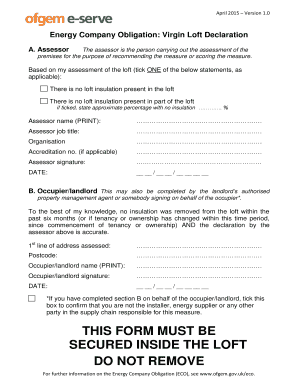
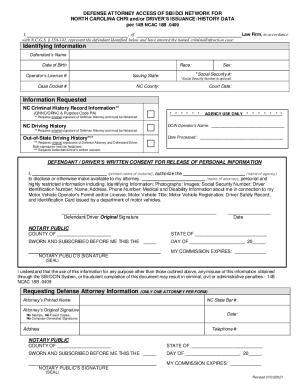
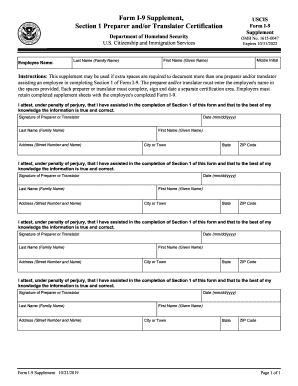
Definition and Meaning of 1619-f Doc
The 1619-f doc is a specific legal document used in various regulatory and tax contexts, primarily associated with compliance and information reporting requirements. It is critical for entities that need to disclose certain types of financial activities or changes to their operations. The name "1619-f" indicates the document's formal designation, and it is essential for entities seeking to ensure compliance within applicable legal frameworks.
How to Use the 1619-f Doc
Understanding the purpose and application of the 1619-f doc is essential for proper use. Users must identify the specific information required by the document, such as financial transactions, operational changes, or any other pertinent data necessary for regulatory reporting. Completing this form correctly ensures compliance with relevant laws and prevents potential fines or legal issues.
Practical Steps for Completion
- Gather Required Information: Identify necessary data points required for the form.
- Understand Instructions: Review the form's instructions carefully to ensure accurate completion.
- Fill Out Sections: Complete each section of the form with precise data.
- Review for Accuracy: Double-check entries for errors or omissions.
- Submit Form: Decide on the most appropriate submission method, whether online, mail, or in-person.
How to Obtain the 1619-f Doc
Obtaining the 1619-f doc involves accessing it through official channels. Typically, the document is available for download from government or regulatory body websites.
Access Points
- Official Websites: Legal or regulatory authorities generally provide downloadable forms.
- In-Person Requests: Some agencies may offer physical copies upon request.
- Professional Services: Legal or accounting professionals can supply the form as part of their services.
Steps to Complete the 1619-f Doc
Completing the 1619-f doc requires attention to detail and adherence to specific guidelines:
- Gather Documentation: Collect all relevant documentation and information.
- Verify Details: Ensure all information is current and accurate.
- Complete Form Sections: Fill out sections of the form as instructed.
- Attach Additional Documents: Include necessary attachments if specified.
- Review and Correct: Re-examine the form for potential mistakes.
- Finalize Submission: Follow submission protocols as provided in the instructions.
Key Elements of the 1619-f Doc
The 1619-f doc consists of several critical components that need accurate completion:
- Entity Information: Ensure proper identification of the entity involved.
- Financial Details: Include thorough financial disclosures as required.
- Activity Changes: Report any significant changes or activities within the entity.
- Signature Section: Authorize the document through the provided signature section.
Who Typically Uses the 1619-f Doc
Various individuals and entities might be required to use the 1619-f doc, including but not limited to:
- Businesses: Entities involved in financial reporting or regulatory compliance.
- Legal Entities: Companies undergoing structural or operational changes.
- Nonprofits: Organizations subject to specific reporting requirements.


Legal Use of the 1619-f Doc
The legal use of the 1619-f doc is vital for compliance with federal or state regulations. Entities must use the form to report accurately and maintain transparency in their operations. Legal advisors often recommend consulting professionals when working with the 1619-f doc to avoid inadvertent non-compliance.
Compliance and Reporting
- Regular Updates: Stay current with changes in the legal guidelines.
- Professional Advice: Seek legal counsel for complex legal scenarios.
- Timely Submission: Avoid penalties by adhering to submission deadlines.
State-Specific Rules for the 1619-f Doc
Depending on the state, there may be unique regulations or adaptations for the 1619-f doc. Understanding these state-specific variations is crucial:
- State Laws: Each state may impose additional requirements or forms.
- Local Compliance: Incorporate state guidelines while completing the form.
Tips for Navigating State Differences
- Research Thoroughly: Investigate specific state requirements in advance.
- Consult Experts: Legal or accounting experts can provide tailored advice.
- Adapt Quickly: Stay updated on changing state laws that affect the form.