






Definition and Meaning of High-Density Data Visualization
High-density data visualization refers to the techniques and methodologies used to represent large volumes of data in a graphical format that is comprehensible to users. This practice is essential in fields such as data science, finance, and web development, where massive datasets are common. By translating complex data into visual forms, insights can be drawn more easily, and patterns can be identified that might not be evident from raw data alone. Visualization techniques range from simple charts and graphs to more sophisticated methods like heatmaps, scatterplots, and interactive dashboards, all of which aim to maximize clarity and utility for the end user.
Key Techniques for Visualizing High-Density Data
Multiple techniques can be employed to visualize high-density data effectively:
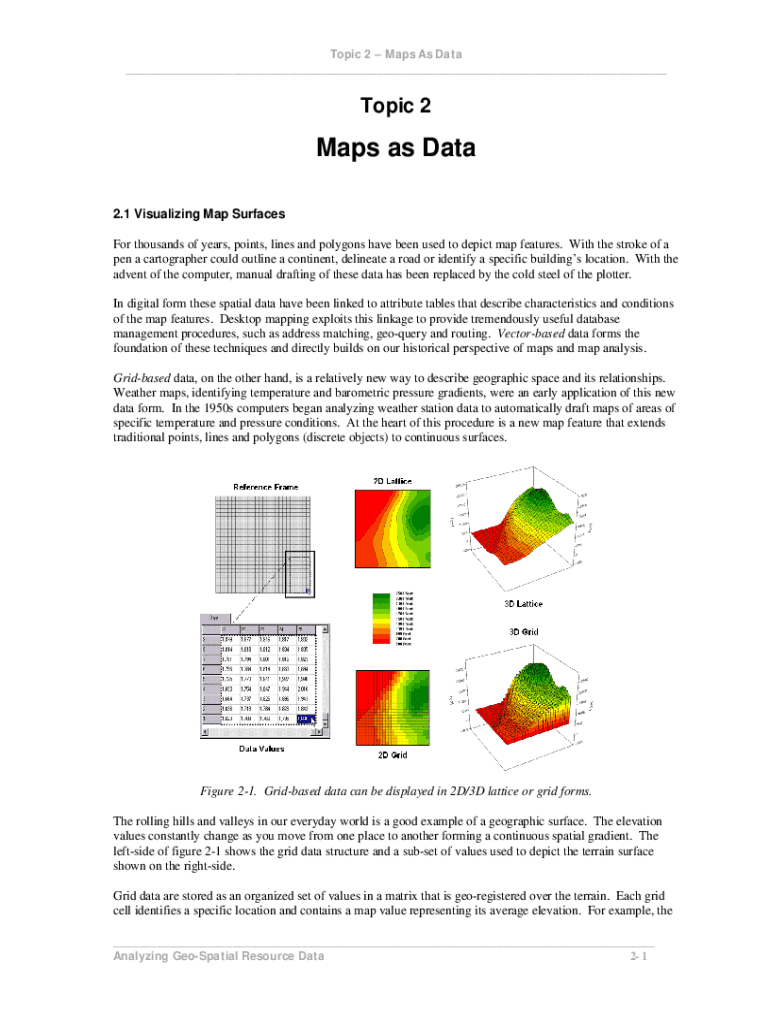
- Heatmaps: Use color gradients to represent data density, providing a quick visual cue for identifying areas of high and low values.
- Scatterplots: Plot data points on a two-dimensional graph to reveal correlations and trends within large datasets.
- Interactive Dashboards: Allow users to manipulate data views dynamically to explore various aspects of the dataset without overwhelming complexity.
- Data Reduction Algorithms: Implement methods like clustering or dimensionality reduction to condense data and make it more manageable for visualization.
- Parallel Coordinates: Use a series of parallel lines to plot multivariable data, allowing for insights into complex relationships.
Using Techniques for High-Density Data on the Web
When applying these techniques on the web, several factors must be considered:
- Performance Optimization: Ensure that visualizations are optimized for both speed and resource efficiency, as web-based platforms often have bandwidth and processing constraints.
- Responsiveness: Designs should adapt to different screen sizes and devices, maintaining usability across desktops, tablets, and smartphones.
- User Interactivity: Incorporate features like zooming, filtering, and dynamic updates to allow users to explore data in more depth.
- Scalability: Solutions should accommodate growing datasets without significant loss of performance or clarity.
Steps to Implement Visualization Techniques
Here is a detailed process to guide the implementation of data visualization techniques on the web:
- Data Collection and Preparation: Gather data from reliable sources, ensuring accuracy and relevance. Cleanse the data to eliminate errors or inconsistencies.
- Tool Selection: Choose appropriate tools and libraries (e.g., D3.js, Chart.js) based on project requirements and technical capabilities.
- Prototype Development: Create initial prototypes of visualizations to conceptualize the design and ensure alignment with project goals.
- Iteration and Testing: Refine the prototypes through iterative testing, focusing on performance, usability, and visual appeal.
- Deployment: Implement the final version on your website, ensuring that all aspects are fully tested for real-world use.
Who Uses High-Density Data Visualization
Professionals across numerous industries employ high-density data visualization, including:
- Data Scientists and Analysts: To uncover patterns and insights from large datasets.
- Financial Analysts: To monitor market trends and make data-driven investment decisions.
- Web Developers and Designers: To enhance web applications with rich, interactive visual content.
- Researchers and Academics: To present findings in more accessible formats for better dissemination.
- Business Executives and Decision Makers: To support strategic decision-making based on empirical evidence.
Examples and Case Studies
Several real-world examples illustrate the effectiveness of high-density data visualization:
- Election Results Dashboards: Interactive maps showing voting patterns and results across geographic areas.
- Financial Market Analyses: Heatmaps and trend lines providing overviews of stock performances and market indices.
- Public Health Monitoring: Scatterplots and bar graphs showing the spread of diseases across populations.
- Urban Planning Visuals: Use of GIS technology to visualize population density and infrastructure in city planning.
Required Tools and Technologies
To effectively implement visualization techniques, the following tools and technologies are frequently utilized:
- Visualization Libraries: Such as D3.js, Plotly, and ECharts for building complex graphs and charts.
- Data Processing Tools: Python pandas, R, and SQL for cleaning and preprocessing data.
- Web Development Frameworks: React.js, Angular, or Vue.js for incorporating visualizations into web applications.
- Cloud Computing Services: AWS or Google Cloud for handling and processing large datasets in real time.
Digital vs. Paper-Based Visualizations
Visualizing high-density data digitally offers distinct advantages over traditional paper-based methods:
- Interactivity: Digital platforms allow users to explore data in more dynamic ways through interactive features.
- Scalability: Digital visualizations can handle larger datasets and offer more seamless updates and modifications.
- Accessibility: Digital formats enable widespread access and sharing across global audiences.
By integrating high-density data visualization techniques with digital platforms, organizations can deliver more insightful, impactful, and user-friendly data analyses.