






Definition & Meaning
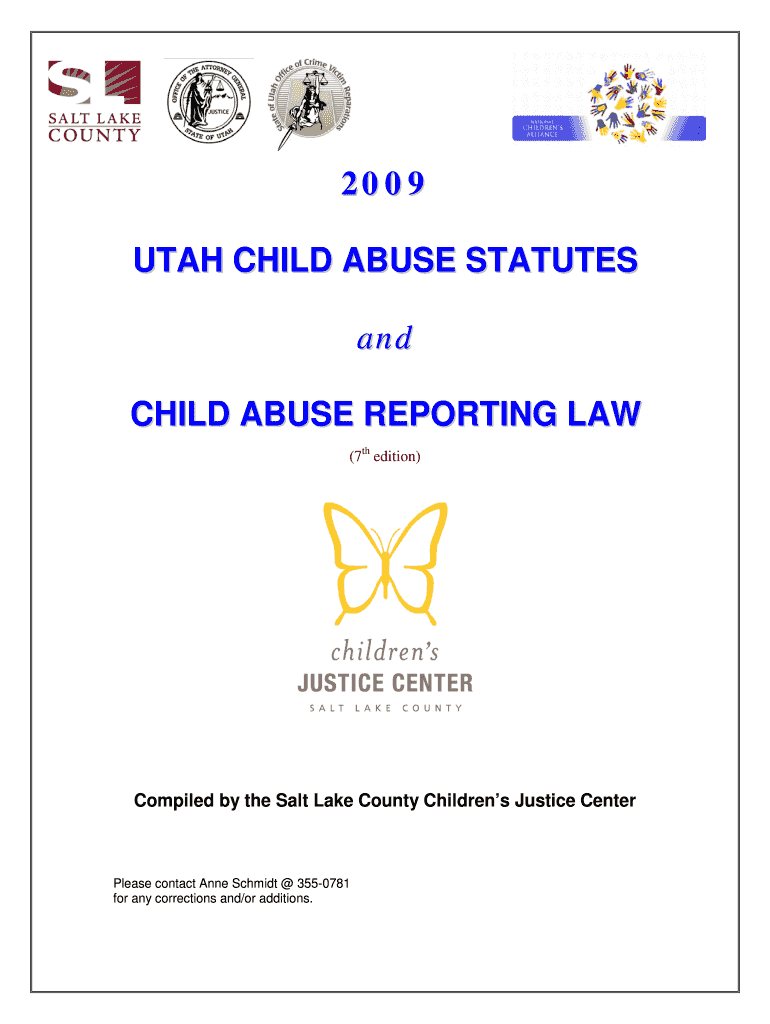
Utah Child Abuse Statutes are legal provisions established to protect minors from various forms of abuse, including physical, sexual, and emotional harm. These statutes not only define what constitutes child abuse but also lay out legal actions that can be taken against violators. Child abuse encompasses direct physical harm, neglect, and exposure to harmful environments, such as domestic violence. The law serves both as a preventive measure and a framework for prosecuting offenders. Detailed definitions are critical for understanding the scope and application of the statutes.
- Physical Abuse: Involves inflicting physical injury onto a minor, such as hitting or shaking.
- Sexual Abuse: Encompasses inappropriate touching, exploitation, or involvement of a minor in sexual activities.
- Neglect and Emotional Abuse: Includes failure to provide necessary care, or emotional support, or exposing a child to domestic violence.
Key Elements of the Utah Child Abuse Statutes
The Utah Child Abuse Statutes are comprehensive in detailing different offense categories and potential penalties. They break down offenses into degrees, with specific code numbers and associated penalties for each type of abuse.
- Degrees of Offenses: Offenses are categorized by severity, with penalties ranging from fines to imprisonment.
- Statute of Limitations: Specifies the time period within which the legal proceedings must be initiated.
- Age of Consent and Definitions: Clarifies legal age boundaries to protect minors from exploitation and abuse.
State-Specific Rules for the Utah Child Abuse Statutes
Utah’s child abuse laws may vary slightly from those in other states, particularly regarding reporting requirements and prosecution procedures. Understanding these differences is crucial for compliance and effective legal action.
- Reporting Requirements: Any suspicion of child abuse must be reported immediately to law enforcement or child protective services.
- Prosecution Practices: Utah may enforce specific strategies, such as using testimony from child psychologists, that differ from other jurisdictions.
- Mandatory Reporter Status: Certain professionals, like teachers and healthcare providers, are legally required to report suspected abuse.
How to Use the Utah Child Abuse Statutes
Utilizing the Utah Child Abuse Statutes involves understanding how to apply them to real-world situations. This ensures appropriate reporting and response when encountering potential child abuse cases.
- Identify Abuse: Use the statutory definitions to recognize signs of abuse.
- Report: Follow Utah law requirements by reporting the abuse to appropriate authorities.
- Legal Consultation: Seek guidance from legal experts specialized in Utah family law to navigate complex cases.
Important Terms Related to Utah Child Abuse Statutes
Familiarity with specific legal and procedural terms can empower individuals to better understand and apply the statutes.
- Mandatory Reporter: Individuals required by law to report suspected abuse.
- Protective Custody: Legal action to temporarily remove a child from a harmful environment.
- Guardian ad Litem: A court-appointed advocate representing the child's best interests in legal proceedings.
Legal Use of the Utah Child Abuse Statutes
The statutes serve as a legal tool both for the protection of children and the prosecution of offenders. Stakeholders must comply with these laws to ensure the wellbeing of minors and accountability for perpetrators.
- Family Law Cases: Used to determine custody and visitation rights when allegations of abuse are involved.
- Criminal Proceedings: Serve as the basis for charging and prosecuting individuals accused of child abuse.
Who Typically Uses the Utah Child Abuse Statutes
These statutes are used by a wide range of professionals and entities who play roles in child protection and law enforcement.
- Child Welfare Agencies: Utilize statutes for investigating and intervening in abuse cases.
- Law Enforcement: Applies these laws in arresting and charging suspected abusers.
- Legal Professionals: Use statutes to advocate for victims and navigate legal proceedings.


Examples of Using the Utah Child Abuse Statutes
Practical scenarios help illustrate how these statutes are applied in real situations to protect children and hold offenders accountable.
- Case of Neglect: A teacher identifies signs of neglect, reports it following statutory guidelines, leading to a child protection intervention.
- Domestic Violence Exposure: Law enforcement uses statutes to prosecute a caregiver who exposes a child to ongoing domestic violence.
Penalties for Non-Compliance
Failure to adhere to the Utah Child Abuse Statutes can result in significant legal consequences for individuals and organizations.
- Fines and Imprisonment: Severity depends on the degree of the offense or failure to report.
- Professional Disciplinary Action: Possible loss of licensure for mandatory reporters who fail to comply.