






Definition & Meaning
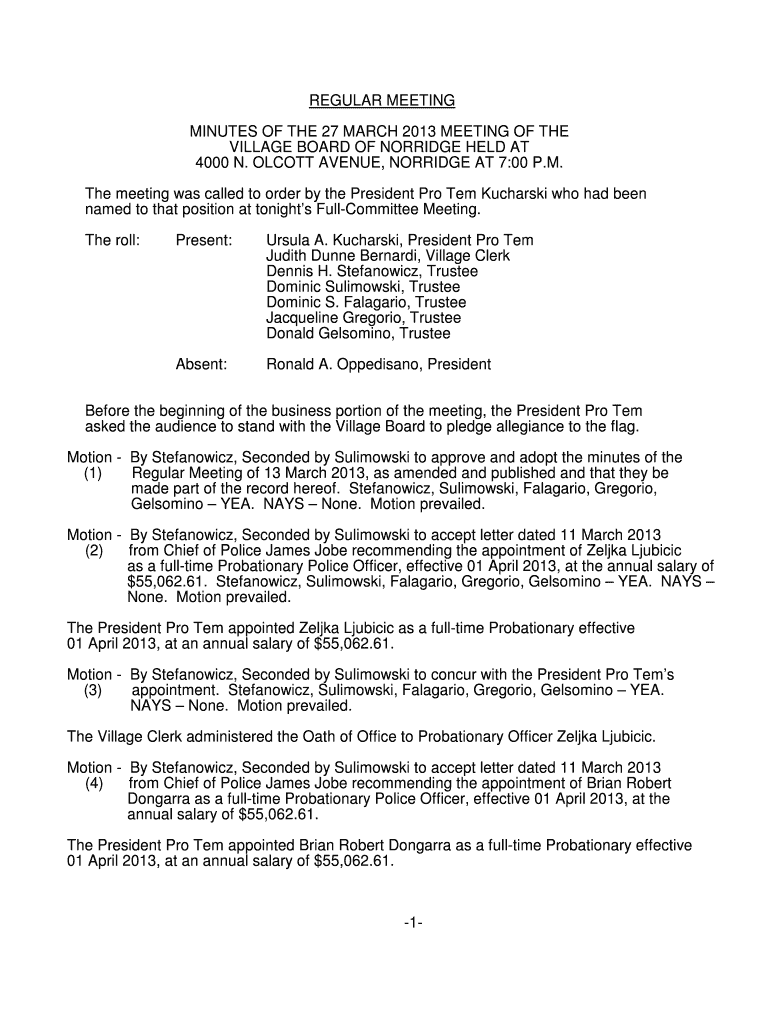
The phrase "Falagario, Trustee Jacqueline Gregorio, Trustee Donald Gelsomino, Trustee Absent: Ronald A" likely refers to a specific entry or record in the minutes of a board meeting where individuals named Falagario, Jacqueline Gregorio, and Donald Gelsomino were present as trustees, while Ronald A was noted as being absent. Trustees play crucial roles in overseeing and managing the activities and decisions of organizations, ensuring they align with legal and ethical standards. This phrase reflects the administrative structure and responsibilities undertaken during board proceedings.
Key Elements of the Trustee Role
Trustees, such as those mentioned in the phrase, carry significant responsibilities within an organization. The key elements include:
- Oversight and Governance: Trustees are responsible for the strategic guidance and supervision of the organization. They ensure that the organization adheres to its mission, values, and legal obligations.
- Fiduciary Duties: Trustees must act in the best interest of the organization, managing resources responsibly and ethically. This includes overseeing financial management, approving budgets, and setting appropriate fiscal policies.
- Policy Development and Implementation: Trustees are involved in developing and implementing policies that govern organizational operations. They ensure policies are aligned with long-term goals and legal standards.
- Meeting Participation: Trustees must attend meetings regularly, contributing to discussions and decision-making processes. Their active engagement ensures informed and balanced governance.
Steps to Complete Board Meeting Documentation
Completing board meeting minutes, which might include phrases like "Falagario, Trustee Jacqueline Gregorio, Trustee Donald Gelsomino, Trustee Absent: Ronald A," involves several steps:
- Attendance Record: Document who is present at the meeting, who is absent, and ensure this information is accurate for accountability.
- Agenda Outline: Note the agenda items discussed during the meeting, ensuring all planned topics are covered and unexpected issues are documented.
- Decisions and Actions: Record all decisions made, along with any associated action items. Identify responsible parties and set deadlines for each task.
- Approval Process: After drafting the minutes, they must be reviewed and approved by attending trustees at the next meeting to ensure accuracy and completeness.
Legal Use of Meeting Minutes
Meeting minutes, referencing trustees like Jacqueline Gregorio, play a critical role in legal contexts:
- Documentation of Proceedings: Minutes provide an official record of the decisions and discussions that occur during meetings. They serve as evidence of compliance with governance protocols.
- Legal Protection: Accurate minutes can protect the organization and its trustees in potential legal disputes by providing a clear account of the decision-making process.
- Transparency and Accountability: By documenting trustee actions and deliberations, meeting minutes support transparency and hold trustees accountable for their governance roles.
Who Typically Uses Board Meeting Minutes?
Meeting minutes are utilized by various stakeholders within and outside the organization:
- Trustees and Board Members: Use minutes to track actions and ensure follow-up on decisions made during meetings.
- Executives and Administrators: Reference minutes for implementing strategic decisions and policies as directed by the board.
- Legal and Compliance Teams: Use minutes as documentation for regulatory audits and to ensure governance practices are followed.
- External Auditors or Stakeholders: May review minutes to understand organizational decisions that impact financial or operational aspects.
Required Documents for Board Meetings
Before conducting a board meeting and documenting minutes, several documents are typically prepared:
- Agenda: An outline of topics to be discussed, ensuring a structured and efficient meeting.
- Previous Meeting Minutes: Provides context and continuity by reviewing past decisions and actions.
- Financial Reports: Essential for discussing the organization's financial health and approving budgets.
- Policy Documents: Relevant policies may be reviewed and possibly revised in meetings.
Software Compatibility for Documentation
In today's digital age, tools for documenting minutes must be compatible with various software systems:
- DocHub: A platform like DocHub offers features for editing and organizing meeting minutes, allowing trustees to annotate and collaborate without conversion hassles.
- Cloud Integration: Compatibility with services like Google Drive ensures that documents can be easily accessed and shared.
- Security Measures: Platforms often employ encryption and authentication protocols to protect sensitive meeting information.
Examples of Board Meeting Documentation
Real-world scenarios of board meeting documentation demonstrate the precision and detail required:
- Education Boards: Document curricular changes, budget allocations, and strategic planning.
- Corporate Boards: Record decisions on mergers, acquisitions, and executive appointments.
- Nonprofit Organizations: Capture discussions on fundraising strategies, program development, and volunteer engagement.
These examples highlight the need for thorough and accurate documentation to support organizational integrity and transparency.