UK Modern Slavery Act Statement 2026

Get Form
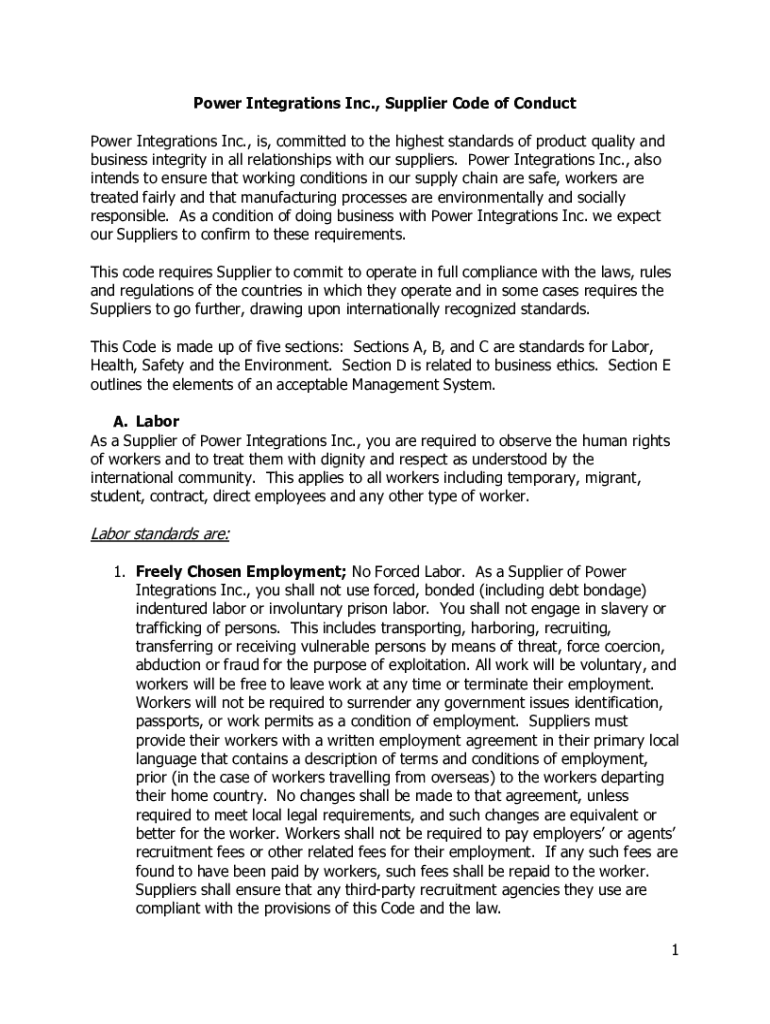
UK Modern Slavery Act Statement Preview on Page 1

Here's how it works

01. Edit your form online
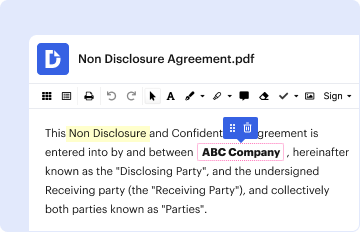
Type text, add images, blackout confidential details, add comments, highlights and more.
02. Sign it in a few clicks
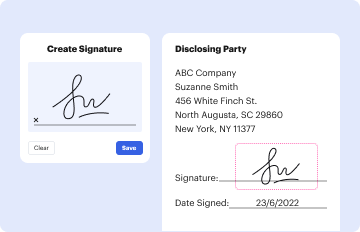
Draw your signature, type it, upload its image, or use your mobile device as a signature pad.
03. Share your form with others
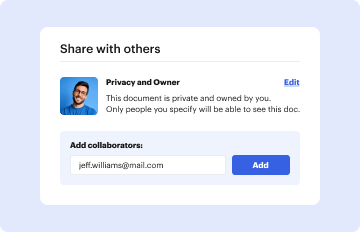
Send it via email, link, or fax. You can also download it, export it or print it out.

Definition & Meaning

The UK Modern Slavery Act Statement is a declaration required by the UK Modern Slavery Act 2015, designed to increase transparency in supply chains by addressing modern slavery and human trafficking. It mandates organizations of a certain size to disclose steps taken to ensure slavery and human trafficking do not occur in their operations or supply chains. This statement serves as a public accountability tool, compelling companies to examine and report on their practices related to labor and ethical standards.

Key Considerations

  • Applicable to businesses with a turnover of £36 million or more.
  • Encourages organizations to develop policies to identify and mitigate risks associated with modern slavery.
  • Typically includes detailed reporting on due diligence processes, risk assessment, and KPIs used to measure effectiveness.

Key Elements of the UK Modern Slavery Act Statement

The contents of a UK Modern Slavery Act Statement should be comprehensive, covering various key elements to showcase the steps taken by the company to combat modern slavery.

Included Elements

  • Organizational Structure and Supply Chains: Describe the business operations and supply chains.
  • Policies: Detail the policies in place concerning modern slavery and human trafficking.
  • Risk Assessments: Explain procedures for identifying risks within the supply chain.
  • Due Diligence: Outline due diligence processes performed for both new and existing suppliers.
  • KPIs: Describe the performance indicators used to assess slavery risks in the business context.

Steps to Complete the UK Modern Slavery Act Statement

Crafting a comprehensive Modern Slavery Act Statement involves several steps to ensure all legal requirements and ethical practices are covered.

  1. Evaluate Current Policies: Review the existing policies related to human rights and ethical sourcing.
  2. Conduct a Risk Assessment: Identify high-risk areas within operations and global supply chains.
  3. Develop New or Revise Current Policies: Strengthen or create policies regarding modern slavery.
  4. Set Objectives and KPIs: Define measurable objectives that reflect changes and improvements.
  5. Documentation: Gather supporting documentation and statements from suppliers confirming compliance.
  6. Create the Statement: Compile and publish the detailed Modern Slavery Act Statement online.

Who Typically Uses the UK Modern Slavery Act Statement

The statement is generally relevant for large corporations operating in the UK, particularly those with extensive supply chains.

decoration image ratings of Dochub

Typical Users

  • Retail and Consumer Goods Companies: Businesses with diverse supply chains in multiple countries.
  • Manufacturers: Industries dependent on raw materials obtained from various global regions.
  • Financial Institutions: Ensuring investments and partnerships adhere to ethical labor standards.

Legal Use of the UK Modern Slavery Act Statement

Producing a UK Modern Slavery Act Statement fulfills both a legal requirement and a corporate responsibility commitment, serving several legal uses.

Legal Responsibilities

  • Compliance Reporting: Ensure adherence to national and international laws on labor practices.
  • Transparency: Provide a clear, public record of efforts to address modern slavery.
  • Stakeholder Assurance: Manage stakeholder expectations regarding ethical business conduct.

Important Terms Related to the UK Modern Slavery Act Statement

Understanding the terminology used in relation to this statement is vital to grasp its application fully.

Key Terms

  • Modern Slavery: Encompasses slavery, servitude, forced labor, and human trafficking.
  • Supply Chain Transparency: The degree to which a company publicly discloses information about its supply chain.
  • Human Trafficking: The illegal trade of humans for forced labor, sexual slavery, or commercial sexual exploitation.

Examples of Using the UK Modern Slavery Act Statement

Companies across various sectors have implemented Modern Slavery Act Statements to enhance supply chain integrity.

Case Studies

  • Apparel Industry: Implementing stringent supplier audits and direct engagement with workers.
  • Technology Corporations: Using blockchain for traceability and anti-slavery measures.
  • Food and Beverage: Creating robust transparency initiatives and supplier assessments.

Disclosure Requirements

Under the Modern Slavery Act, organizations must disclose information openly to demonstrate their commitment to combating modern slavery.

Disclosure Elements

  • Annual Reporting: Must be performed yearly, signed off by the board of directors.
  • Public Availability: Statements must be visible on the company’s website's homepage.
  • Detailed Content: Covering actions taken during the financial year to mitigate slavery risks.
be ready to get more

Complete this form in 5 minutes or less

Get form

Got questions?

We have answers to the most popular questions from our customers. If you can't find an answer to your question, please contact us.
Contact us
Our strategy is built on a multi-faceted approach known as the 4 Ps: Prevent, Pursue, Protect, and Prepare. This approach allows us to address modern slavery comprehensively and effectively.
Modern slavery is an adult safeguarding concern, and the local authority has legal duties to provide support for suspected or known victims. Under UK law, all modern slavery offences are punishable by a maximum sentence of life imprisonment.
Ten years ago, the UK Government introduced the Modern Slavery Act. The law aimed to reduce exploitation and to provide avenues for criminal justice. However, while pioneering in its day, weaknesses in the Acts design seriously hampered its effectiveness.
We take a zero-tolerance approach to modern slavery. We are committed to combatting slavery and human trafficking, and to acting ethically, transparently and with integrity in all of our transactions and relationships.
Certain commercial organisations must publish an annual statement setting out the steps they take to prevent modern slavery in their business and their supply chains. This is a requirement under section 54 (Transparency in Supply Chains) of the Modern Slavery Act 2015.

Security and compliance

At DocHub, your data security is our priority. We follow HIPAA, SOC2, GDPR, and other standards, so you can work on your documents with confidence.

Learn more
ccpa2
pci-dss
gdpr-compliance
hipaa
soc-compliance
be ready to get more

Complete this form in 5 minutes or less

Get form

People also ask

Modern slavery is a violation of human rights, involving the deprivation of an individuals liberty for personal or commercial exploitation. This hidden issue manifests in various forms, including forced and compulsory labour, and human trafficking.
A charity has to be incorporated for a modern slavery statement to be required. It can be a charitable company or a charitable incorporated organisation. You also need to have a turnover of more than 36m and be carrying on a business which includes a trade or profession in the UK.

Related links