







Definition & Meaning of the Nikkei Index
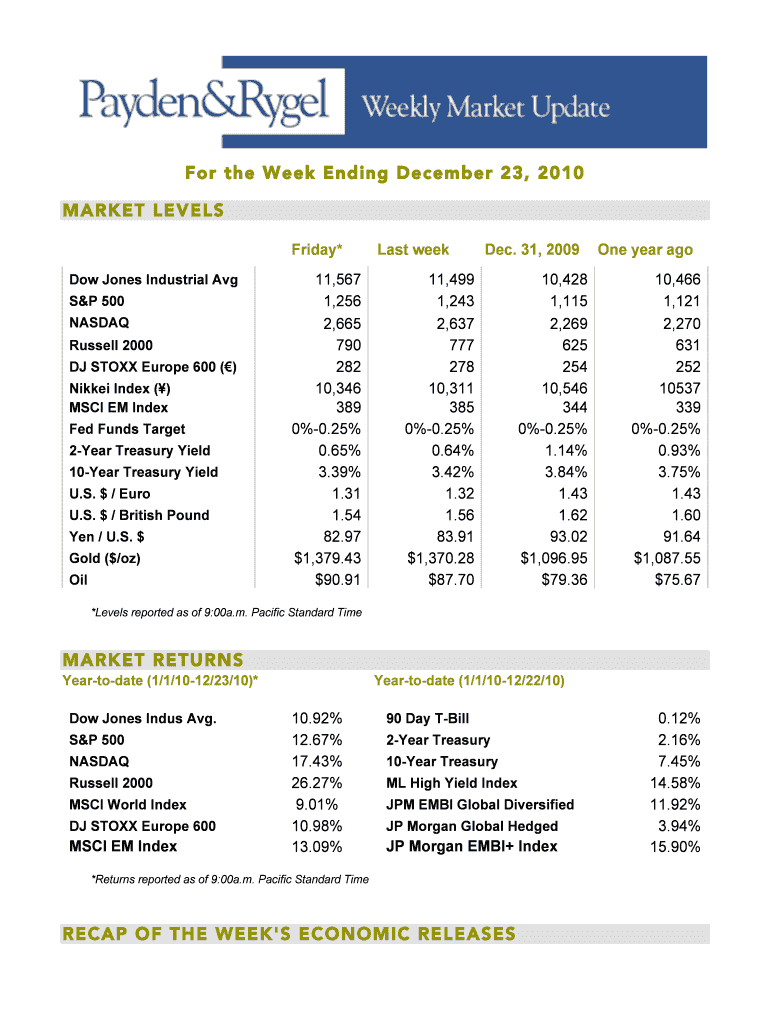
The Nikkei Index, often referred to as the Nikkei 225, is a prominent stock market index for the Tokyo Stock Exchange. It serves as a benchmark for evaluating the performance of Japan's stock market. This index includes 225 of the largest publicly owned companies in Japan, offering insights into the health and trends of the Japanese economy. By monitoring the Nikkei Index, investors can gauge the market's pulse, identify investment opportunities, and understand economic shifts within the region. Data from this index are crucial for making informed decisions about trading and investment strategies.
How to Use the Nikkei Index
Investors and analysts use the Nikkei Index to track market trends and make decisions regarding stock portfolios. By analyzing changes in the index, stakeholders can deduce the overall market movements and potential sectoral growth. When the index experiences an upswing, it often indicates optimism and economic expansion. Conversely, a downturn might suggest caution and potential market correction. Understanding the index's historical data helps in identifying patterns that could predict future market behavior. Integration of this information into broader financial models can enhance investment strategies, providing a comprehensive view of market dynamics.
Obtaining the Nikkei Index Data
Accessing Nikkei Index data can be accomplished through various financial news websites and stock market databases. Official Tokyo Stock Exchange publications regularly update this information, offering real-time insights. Subscription-based financial platforms provide detailed analyses and historical trends of the index, allowing users to conduct in-depth research. Popular financial journals and market analysis tools also provide interpretations of the index, facilitating strategic planning for investors looking to diversify their portfolios. Ensuring the reliability and timeliness of these data sources is key to maintaining up-to-date knowledge and maximizing investment returns.
Key Elements of the Nikkei Index
The Nikkei Index's composition is determined by several factors, including the size and industry of the companies. An annual review ensures that the list accurately reflects the dynamic market landscape. The index includes companies from diverse sectors, with weighted allocations that influence the overall movement of the index. The methodology for selecting these companies involves evaluating their liquidity, market capitalization, and trading activity. Understanding these elements is essential for analyzing how individual stocks impact the index's performance and for predicting their potential trajectories within the broader market context.
Why Monitor the Nikkei Index
Monitoring the Nikkei Index provides investors with a snapshot of the economic trends affecting Japan and, by extension, global markets. Variations in the index can signal changes in investor sentiment, economic policies, and international trade dynamics. Traders often use the index to hedge against risks associated with fluctuations in currency and global commodity prices. Additionally, portfolio managers might adjust their investment strategies based on projected indices to achieve optimal asset allocation. Overall, keeping an eye on the Nikkei Index acts as a valuable component of a comprehensive market analysis toolkit.
Examples of Using the Nikkei Index in Investment Strategies
In practical terms, the Nikkei Index can be leveraged in various investment strategies. For example, trend-following investors might buy stocks when the index shows a clear upward trend. Conversely, value investors may identify opportunities when the index declines, purchasing undervalued stocks in anticipation of market recovery. Analyzing the index in conjunction with economic indicators such as GDP growth, trade balances, and interest rates can also refine investment decisions. Portfolio diversification efforts often include both domestic and international index funds, using insights from indices like the Nikkei to balance potential risks and returns.
Important Terms Related to the Nikkei Index
Understanding specific terminology is vital for any analysis of the Nikkei Index. Terms like "blue-chip stocks" refer to well-established companies within the index known for their stable earnings and reliability. "Market capitalization" is another critical term, representing the total market value of a company's outstanding shares. "Price-weighted index," the methodology used for the Nikkei, means that companies with higher stock prices exert more influence on the index movement, regardless of their total market value. Familiarity with these terms aids investors and analysts in interpreting index data and making informed decisions.
Digital vs. Paper Version of the Nikkei Index
The Nikkei Index is primarily utilized in digital formats, given the need for real-time data and market responsiveness. Financial platforms and trading software provide instantaneous updates, allowing stakeholders to react promptly to market changes. Though historically index data might have been disseminated via paper reports, today's digital tools far outperform in terms of precision and accessibility. This shift emphasizes the importance of keeping abreast of technological advances in financial information distribution, ensuring investors and analysts have the most accurate and timely information at their fingertips.
State-Specific Rules for the Nikkei Index in the U.S. Context
While the Nikkei Index itself is intrinsically linked to the Japanese stock market, its influence in the U.S. manifests in the form of ETFs (Exchange-Traded Funds) and ADRs (American Depository Receipts). These instruments allow U.S. investors to gain exposure to the Japanese market without direct engagement. It's essential to understand the state-specific taxation and regulatory implications of investing in foreign index-related products, as these vary within the United States. Compliance with local financial regulations ensures ethical and profitable engagement with the Nikkei Index through these international investment vehicles.




