






Definition and Meaning
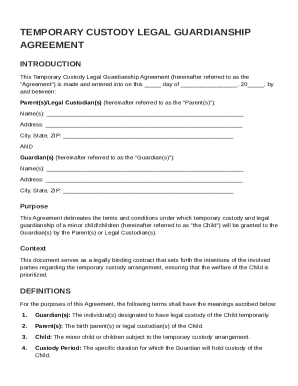
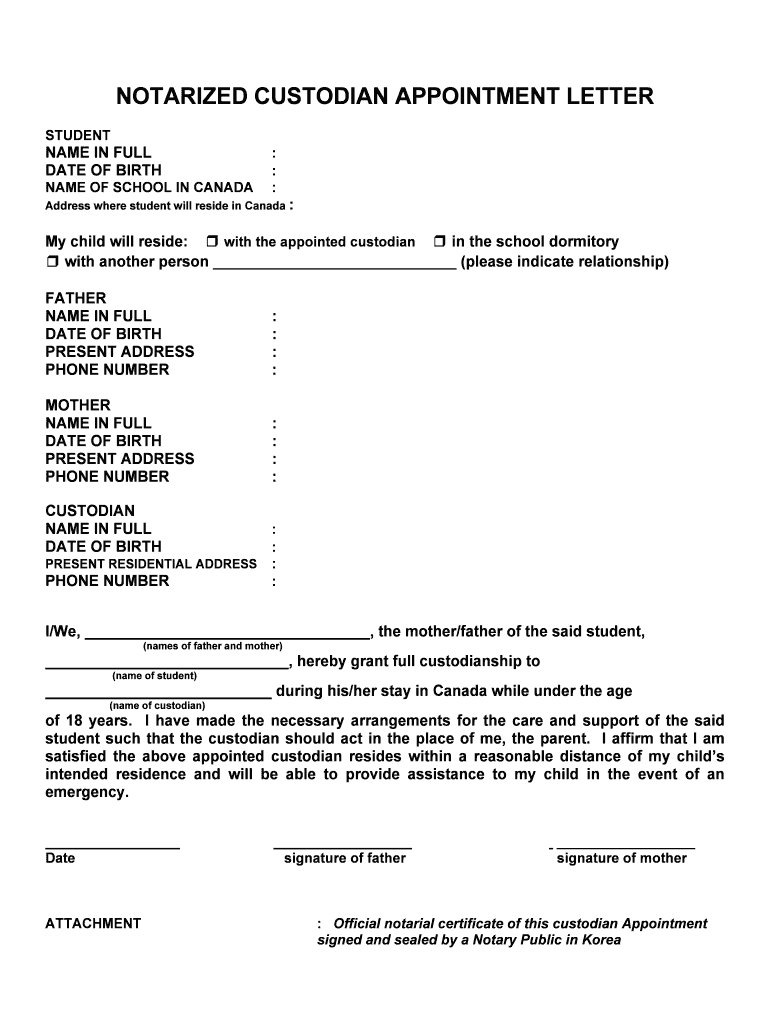
The notarized custodian appointment letter is a formal document utilized to designate a custodian responsible for a student's care during their tenure in Canada. This letter includes the personal information of the student, their parents, and the appointed custodian. It serves as a legal affirmation that the custodian will undertake the responsibilities and rights typically held by the parents, ensuring the student receives necessary care and support. The notarization process authenticates the document, ensuring its legal validity and reliability.
Practical Examples and Context
- International Students: This letter is crucial when parents reside outside Canada but have children studying there. It guarantees that children have a local guardian capable of making important decisions.
- Custodian Responsibilities: Custodians may handle decisions related to medical emergencies, school enrollment, and other critical situations requiring legal authority.
Steps to Complete the Notarized Custodian Appointment Letter
To ensure the notarized custodian appointment letter is completed correctly, follow these essential steps:
- Gather Required Information: Collect all necessary details, including the full names and contact information for the student, parents, and custodian.
- Draft the Letter: Compose the letter, specifically stating the roles and responsibilities of the custodian.
- Incorporate Legal Language: Ensure the letter includes standard legal terminology to clearly define the obligations and authority of the custodian.
- Seek Notarization: Arrange for a notary public to witness the signing of the letter to make it official.
- Distribute Copies: Provide certified copies to all parties, including the school and any relevant authorities.
Detailed Instructions for Each Step
- Notarization Requirements: Ensure all signatories are present for notarization, and each provides valid identification to the notary public.
- Legal Phrases to Include: Use terms like "legal guardian" and "parental responsibilities" to signal the custodian's authority clearly.
Key Elements of the Notarized Custodian Appointment Letter
A comprehensive notarized custodian appointment letter should contain several key elements to ensure clarity and legality:
- Identifying Information: The full names, addresses, and relationships of the student, parents, and custodian.
- Duration of Custodianship: Clear specification of the time period for which the custodianship is valid.
- Responsibilities and Powers: A detailed account of the duties and decision-making powers assigned to the custodian.
- Signature and Notary Details: Signatures of all involved parties and the notary's seal, date, and signature to authenticate the document.
Importance of Each Element
- Specific Time Frame: Clearly delineating the custodianship duration prevents potential legal disputes or misunderstandings.
- Custodian Powers: Defining powers ensures the custodian understands their scope of authority and legal responsibilities.
Why Notarize a Custodian Appointment Letter
Notarization of the custodian appointment letter is critical to its validity. Here’s why:
- Legal Authority: Notarization confirms the identities of the signatories and provides credibility to the document.
- Preventing Fraud: It acts as a safeguard against fraud or unauthorized alterations.
- Recognition by Authorities: Many institutions in Canada require such documentation to be notarized to recognize custodian authority.
Real-World Implications
- Institutional Acceptance: Schools and medical facilities may refuse to act on an unnotarized letter, which can block decision-making in urgent scenarios.
How to Obtain the Notarized Custodian Appointment Letter
Obtaining a notarized custodian appointment letter involves several steps to ensure legality and recognition:
- Identify a Notary Public: Locate a certified notary public either locally or through online notary services.
- Prepare the Letter: Complete the necessary sections of the letter, ensuring all information is factual and comprehensive.
- Schedule an Appointment: Set an appointment with the notary, making sure all involved parties are available.
- Complete the Notarization: Have the document notarized following your local jurisdiction’s legal requirements.
Legal Use of the Notarized Custodian Appointment Letter
The notarized custodian appointment letter is primarily used for legal purposes within Canada. It provides:
- Authority to Make Decisions: Grants the custodian full legal authority to make decisions regarding the student's welfare and education.
- Recognition by Canadian Authorities: Enables smooth interactions with schools, healthcare providers, and government entities.
Legal Scenarios
- Emergency Situations: Legally empowers the custodian to make medical decisions during emergencies.
- School Enrollment: Provides necessary authority to enroll the student in educational programs requiring a guardian’s consent.
State-Specific Rules for the Notarized Custodian Appointment Letter
While the notarized custodian appointment letter is generally used for international students in Canada, various U.S. states may have additional requirements or recommendations when preparing such a document if used within the U.S.:
- State Acknowledgment Laws: Some states may require specific language or acknowledgment forms unique to their legal frameworks.
- Document Recording: Certain jurisdictions might necessitate the registration of such documents with a state legal body.
Examples of Variation by State
- California: Often requires additional documentation for educational purposes when a foreign custodian is involved.
- New York: Might require corroboration by a domestic legal entity or acknowledgment by local authorities.
Important Terms Related to the Notarized Custodian Appointment Letter
Understanding the terms associated with the notarized custodian appointment letter is crucial for accurate completion and legal compliance:
- Custodian: An individual given the legal authority to take over the guardianship responsibilities from the parents.
- Notary Public: A recognized official responsible for verifying the identities of signatories and the authenticity of legal documents.
- Guardianship: Refers to the legal responsibility for the care and decisions concerning a minor or dependent.
Practical Use of Terms
- "Legal Guardian" vs. "Custodian": While both terms denote authority, legal guardianship may imply broader and often permanent responsibilities compared to the typically temporary role of a custodian.
This structured and detailed content offers comprehensive and essential insights into the creation, importance, and legal implications of a notarized custodian appointment letter, ensuring compliance and proper understanding for individuals involved.