





Definition and Purpose of the Personal or Authorized Representative Authorization Form
The Personal or Authorized Representative Authorization Form is a legal document that enables individuals to designate a third party to access their confidential information, commonly in contexts like healthcare or financial matters. This form serves as a formal acknowledgment that the individual authorizes another party to communicate with institutions on their behalf, ensuring efficient information exchange and decision-making. It provides clarity and legal protection, establishing the boundaries and permissions granted to the authorized representative.
Specific Use Cases
- Healthcare Access: In medical scenarios, this form allows family members or caregivers to access and discuss a patient's health records, making it crucial in emergency situations.
- Financial Management: For financial matters, it permits a trusted party to manage transactions or discuss account information with financial institutions.
- Legal Representation: When legal situations arise, this form allows for attorneys or legal representatives to act on an individual's behalf, fostering effective advocacy.
How to Use the Personal or Authorized Representative Authorization Form
Effectively using the Personal or Authorized Representative Authorization Form involves understanding its components and the process of appointing a representative. Users should consider the scope and limitations of the representative's authority, ensuring alignment with their personal or legal needs.
Step-by-Step Usage
- Identify the Representative: Choose a trustworthy individual or entity to act on your behalf.
- Specify Permissions: Clearly denote the level of access and actions the representative is authorized to undertake.
- Complete Required Sections: Fill out all necessary fields, including personal information and purpose of authorization.
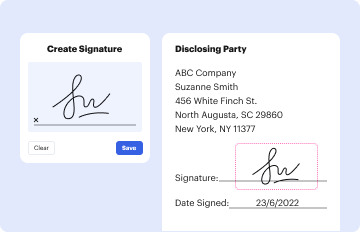
- Sign and Date: Ensure both parties sign and date the form to validate the agreement.
- Submit to Relevant Entities: Provide the completed form to the relevant institutions to formalize the representative's authority.
Obtaining the Personal or Authorized Representative Authorization Form
Accessing this form can vary by institution and purpose, but generally, it is readily available through specific organizational websites or physical offices.
Common Sources
- Healthcare Providers: Many hospitals and clinics have standardized forms available for patient use.
- Financial Institutions: Banks often provide these forms to allow account holders to manage their affairs efficiently.
- Legal Services: Legal firms may offer these forms as part of their client services to streamline case handling.
Key Elements of the Personal or Authorized Representative Authorization Form
The effectiveness of the form relies on the inclusion of several core elements that define its purpose and enforceability.
Essential Components
- Personal Information of Both Parties: Includes names, contact details, and any identifying information necessary for verification.
- Scope of Authority: Clearly outlines what the representative is authorized to do.
- Duration of Authorization: Specifies the validity period of the form, whether it is for a fixed term or until further notice.
- Signatures: Both parties must sign the form to legitimize the agreement, with an optional section for witnesses.
Legal Use and Implications
Legal aspects surrounding the Personal or Authorized Representative Authorization Form are crucial to understand, ensuring compliance and protecting all parties involved.
Legal Considerations
- Scope of Responsibility: Establishes the legal responsibilities of the authorized representative.
- Revocation: Conditions under which the form can be revoked, either by the grantor or due to a change in circumstances.
- Liability Clause: Outlines the liability of the issuing institution regarding the actions taken by the authorized representative.
Steps to Complete the Form
Filling out the form correctly is essential to avoid misunderstandings or delays in authorization.
Detailed Instructions
- Gather Necessary Information: Collect all required documents and personal details for both the grantor and the representative.
- Fill Out the Form: Carefully complete each section, double-checking for accuracy and completeness.
- Review and Confirm: Go over the form to ensure everything is correctly filled out and reflects the intended permissions.
- Signatures and Submission: Ensure all parties sign the form, and submit it according to the specified method, whether online, via mail, or in person.
Important Terms Related to the Personal or Authorized Representative Authorization Form
Familiarity with key terms ensures better comprehension and handling of the form.
Crucial Definitions
- Grantor: The individual granting authority to another person.
- Representative: The person authorized to act on behalf of the grantor.
- Authorization Period: The time frame during which the authorization is valid.
State-Specific Rules and Variations
Different states may have unique regulations or interpretations related to the form, impacting its validity and use.
Considerations by State
- Recognition of the Form: Some states have specific statutes that govern the use of such forms in certain contexts, like healthcare proxy laws.
- Notarization Requirements: Certain jurisdictions might require the form to be notarized for specific applications.
- Validity Period: State law might dictate the maximum duration for which the authorization can remain valid without renewal.
Understanding these nuances is essential for ensuring the form is used lawfully and effectively.