
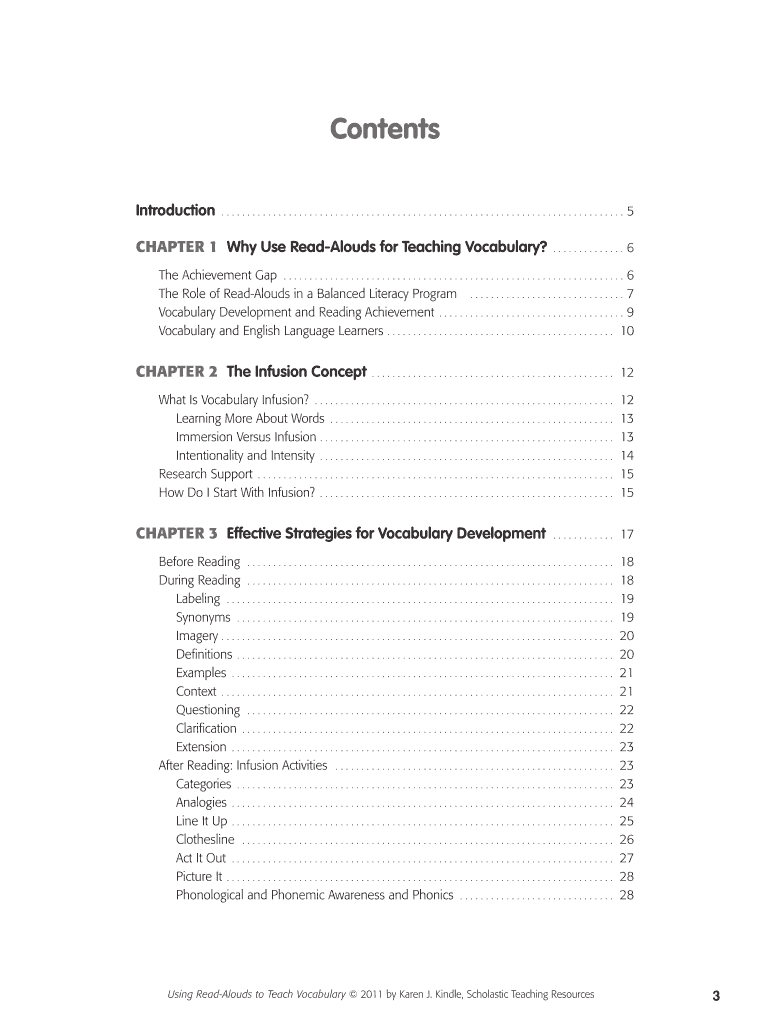







Understanding the Concept of Read-Alouds
Read-alouds involve an educator, typically a teacher, reading a text out loud to students. This practice is a core component of a balanced literacy program, aiming to enhance students' listening skills, comprehension, and vocabulary acquisition. Through exposure to varied text genres and rich vocabulary, students are encouraged to develop deeper understanding and critical thinking skills.
Effective Implementation of Read-Alouds
To maximize the benefits of read-alouds, it's essential to incorporate strategic approaches:
- Selection of Diverse Texts: Choose both fiction and nonfiction texts to expose students to a breadth of vocabulary and ideas.
- Integrative Vocabulary Activities: Infuse vocabulary-rich discussions and activities into read-aloud sessions to reinforce new words.
- Interactive Engagement: Encourage student participation by asking questions and fostering discussions related to the text.
Key Benefits of Read-Alouds in Vocabulary Teaching
Read-alouds serve multiple purposes in vocabulary teaching:
- Vocabulary Enrichment: By regularly listening to read-alouds, students are introduced to new words and phrases in context, aiding retention.
- Enhanced Comprehension: Listening to stories enhances children's ability to understand and make sense of complex ideas.
- Bridging Achievement Gaps: Engaging with rich texts helps bridge gaps in vocabulary knowledge among students from varying backgrounds.
Who Utilizes Read-Alouds
Read-alouds are commonly used by:
- Elementary educators: Often utilize read-alouds to introduce young students to English language arts.
- Librarians: Engage children in storytelling sessions to promote literacy.
- Parents: Support learning at home by reading aloud to their children to expand their vocabulary and comprehension skills.
Examples of Read-Aloud Implementation
Teachers implementing read-alouds successfully often share similar strategies. For instance:
- Daily Read-Aloud Sessions: Incorporate 15-20 minutes daily dedicated to reading different genres.
- Thematic Units: Employ related texts over weeks to deepen understanding of specific topics.
Legal and Ethical Considerations
While utilizing read-alouds, consider:
- Copyright Laws: Ensure compliance with copyright regulations, especially when using published texts.
- Accessibility: Provide alternatives for students who might benefit from different formats, like audiobooks.
Tips for Obtaining Suitable Read-Aloud Materials
- Local Libraries: Utilize library resources for diverse book collections.
- Online Educational Platforms: Some platforms offer licensed digital books suitable for classroom use.
Enhancing Student Engagement Through Read-Alouds
Promoting active participation during read-alouds can be achieved by:
- Encouraging Predictions: Ask students what might happen next in the story.
- Relating to Personal Experiences: Connect story themes to students' real-life experiences for deeper engagement.
State-Specific Guidelines and Compliance
Different states might have unique guidelines regarding educational practices, including read-aloud sessions. Educators should:
- Stay Informed: Regularly review state educational guidelines and curriculum standards.
- Professional Development: Engage in workshops or courses to keep up-to-date with best practices.
Digital Tools for Read-Aloud Sessions
Technology can complement traditional read-alouds through:
- E-Readers & Apps: Utilize devices that offer interactive features or read-aloud capabilities.
- Virtual Read-Alouds: Use video conferencing tools to conduct sessions, especially useful in remote or hybrid learning environments.




