






Definition & Meaning
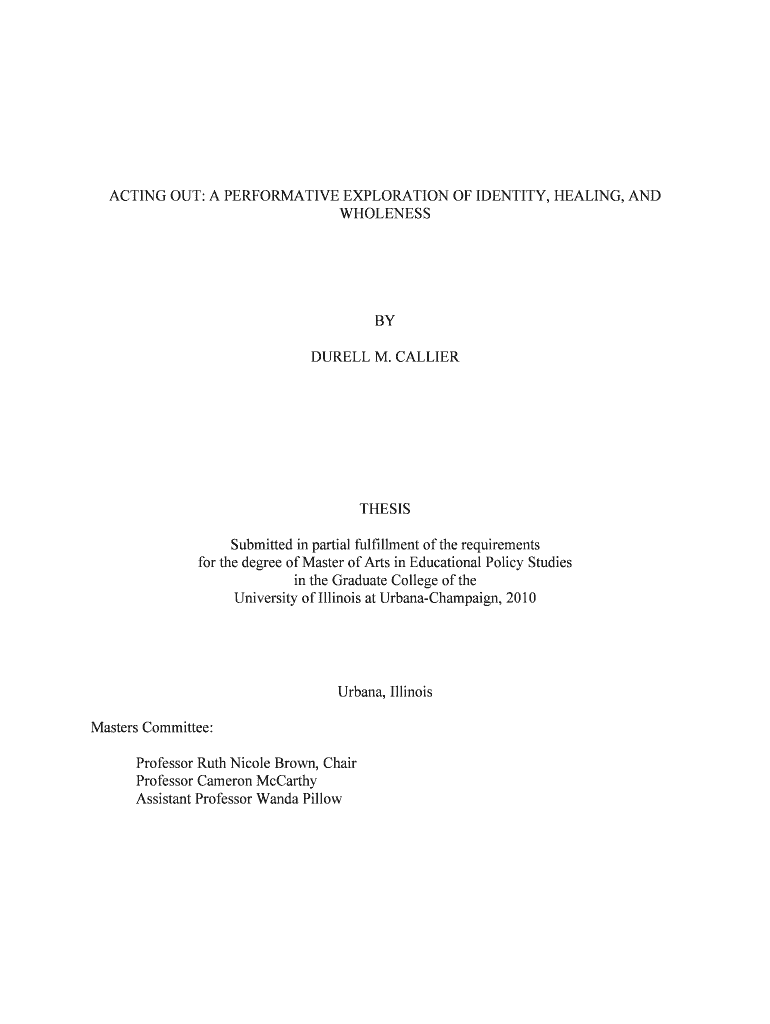
The concept "Acting Out: A Performative Exploration of Identity, Healing, and" refers to a dynamic process of self-discovery and expression through performative means. This exploration involves using art forms such as drama, poetry, and dialogue to investigate and articulate one's identity, especially in contexts where traditional norms and stereotypes may suppress self-expression. The phrase suggests a transformative journey that intertwines creativity, personal growth, and healing, particularly resonating within marginalized communities seeking to affirm their unique voices.
How to Use "Acting Out: A Performative Exploration of Identity, Healing, and"
Using performative exploration as a method involves engaging in activities that allow for the expression and examination of personal experiences. This can be practiced through:
- Drama and Theatre: Participating in plays or improvisational theater that prompts self-reflection and representation of identity-related experiences.
- Poetry and Writing: Crafting poems or narratives that convey personal inner journeys, struggles, and triumphs.
- Dialogue and Discussion: Engaging in conversations that foster understanding and acceptance of diverse identities.
Each of these methods helps in understanding and reconciling different facets of one's identity while promoting healing.
Key Elements of the Exploration
The exploration of identity through performative acts involves several key components:
- Self-Reflection: An introspective process where individuals assess their thoughts, beliefs, and feelings to gain better insight into their identities.
- Community Engagement: Involving participation in group activities that provide communal support and shared experiences.
- Continuous Process: Recognizing that identity exploration is an ongoing journey rather than a one-time event.
Incorporating these elements provides a comprehensive approach to understanding and expressing one's identity.
Steps to Complete the Exploration
- Identify Themes and Issues: Recognize the aspects of identity you wish to explore, such as race, gender, or sexuality.
- Select a Medium: Choose the performative medium that best suits your expression, be it drama, poetry, or dialogue.
- Create and Participate: Engage actively by creating art or joining discussions that reflect your themes.
- Reflect and Analyze: After participation, take time to reflect on the insights gained and any shifts in understanding.
- Seek Feedback: Share your experiences with trusted peers or mentors for additional perspectives.
- Iterate and Evolve: Continuously apply new learnings to your ongoing exploration process.
These steps create a structured path for delving deeper into personal identity through performance and expression.
Who Typically Uses the Exploration
This performative exploration is used by individuals seeking deeper self-understanding and those within communities often marginalized or underrepresented. Examples include:
- Members of the LGBTQ+ Community: Engage in acts that explore and express their authentic selves in safe and supportive environments.
- Artists and Creatives: Use art as a vehicle for commenting on social issues related to identity.
- Educators and Therapists: Incorporate these methods in educational and therapeutic settings to foster growth and healing.
The usage is versatile, applying to varied contexts where identity and healing intertwine.


Examples of Using the Exploration
Several real-world scenarios exemplify this exploration:
- A Community Theatre Project: Where participants create and perform a play based on real-life stories, encouraging dialogue around identity.
- Poetry Workshop: Led by a spoken word artist focusing on themes of personal and collective identity.
- University Course: A class where students develop projects exploring how cultural and personal identities intersect.
These examples showcase diverse applications of this performative exploration method.
Eligibility Criteria
While open to all, certain conditions may enhance the experience:
- Open-mindedness: Willing to explore unfamiliar aspects of oneself and others.
- Collaborative Spirit: Eager to work with others in shared creative pursuits.
- Reflective Capacity: Capable of looking inwardly to understand personal insights.
These criteria help ensure participants are ready to embrace the full potential of the exploration journey.

Legal Use of Performative Exploration
In the United States, engaging in these explorations is safeguarded under the First Amendment, which protects freedom of expression, allowing individuals to explore and communicate their identities legally. This protection encourages a robust environment where individuals can freely express themselves without fear of governmental restriction, making the practice not only a personal journey but also a legally supported one in the pursuit of self-discovery and healing.