







Definition & Meaning
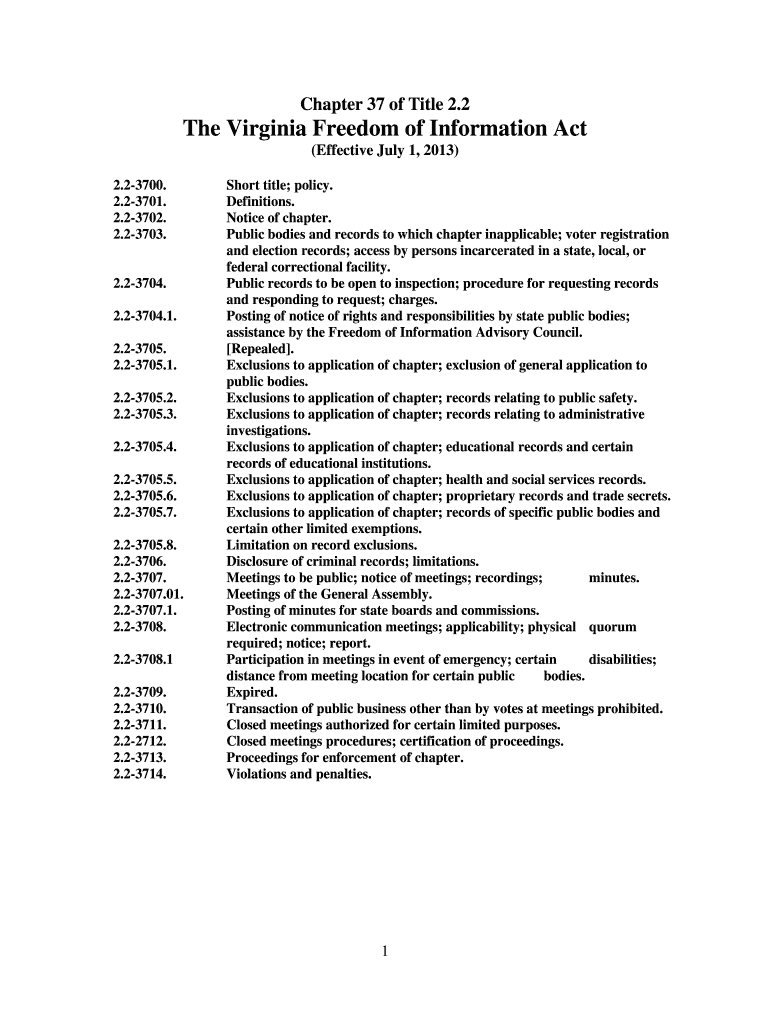
The "Public Bodies and Records to Which Chapter Inapplicable Voter" form is a specialized document often used within the framework of government transparency and accessibility. This form typically outlines specific instances or criteria under which certain public bodies or records are exempt from standard transparency requirements, such as those mandated by the Freedom of Information Act (FOIA). The form's primary function is to ensure that voters and interested parties are aware of these exemptions, which might include sensitive or confidential information not intended for public release. Understanding the intention and application of this form can help stakeholders determine the scope of public access to governmental documents and meetings.
How to Use the Form
Using the "Public Bodies and Records to Which Chapter Inapplicable Voter" form requires a clear understanding of the criteria that determine inapplicability. Typically, the form is used by government agencies to communicate which records or bodies are exempt due to specific legislative protections. To use the form effectively:
- Identify the Records or Bodies: Determine which records or public bodies you are interested in and whether they are likely exempt.
- Consult the Form: Review the form to see if it lists these records or bodies as being exempt from transparency provisions.
- Understand the Criteria: Familiarize yourself with the reasons provided for inapplicability, as this can affect your ability to access certain information.
- Seek Expert Guidance: Consider consulting legal or governmental experts to fully comprehend the nuances of the exemptions listed.
Key Elements of the Form
The form consists of various elements that detail the specific exemptions:
- Exemption Criteria: A clear description of the criteria under which records or bodies are considered inapplicable.
- Relevant Public Bodies: A list of governmental bodies that are exempt and the rationale behind their exemption.
- Types of Records: Specification of the kinds of records that are exempted, such as those containing sensitive or confidential information.
- Legal References: Citations of the legislative acts or legal precedents justifying the exemptions.
Steps to Complete the Form
While most users interact with the form as a reference rather than a fillable document, completing it might involve:
- Read the Entire Document: Thoroughly review the form to ensure comprehensiveness in understanding.
- Highlight Relevant Sections: Mark sections that apply directly to your needs or queries.
- Verify Details Internally: If completing this form involves a public body, ensure internal verification processes are conducted.
- Documentation: Keep records of how you have applied the information within the form for accountability.
State-Specific Rules
Exemptions regarding public bodies and records can vary significantly by state, given each state's regulatory framework. For instance, the Virginia Freedom of Information Act has specific chapters outlining when records are transparent versus exempt. In contrast, other states might classify exemptions differently, often influenced by their legislative priorities and transparency goals. Understanding these variances ensures compliance and proper utilization of the form.
Legal Use of the Form
Legally, the form serves to clarify exemptions from standard FOIA requests. The legal basis often involves protecting sensitive information, ensuring national security, or safeguarding personal data. Legal use implies not only recognizing the form's details but also adhering to the broader legislative act's guidelines that it represents. Remaining compliant with local and federal laws when using or interpreting this form is vital.
Eligibility Criteria
The eligibility to utilize or reference this form is generally broad, providing transparency to voters, researchers, journalists, and other interested parties. However, the criteria for exemptions highlight what information is accessible. Understanding these criteria helps in determining whether specific records or bodies fall within the scope of public inquiry.


Required Documents
In many cases, to understand the full legal framework outlined in the form, additional related documents may be necessary. These might include:
- FOIA Request Submissions: Proof of request submitted under standard FOIA practices.
- Governmental Correspondence: Any official communication detailing specific exemptions.
- Legal Documentation: Supportive legal materials or prior court rulings that provide further clarity on the exemptions.




