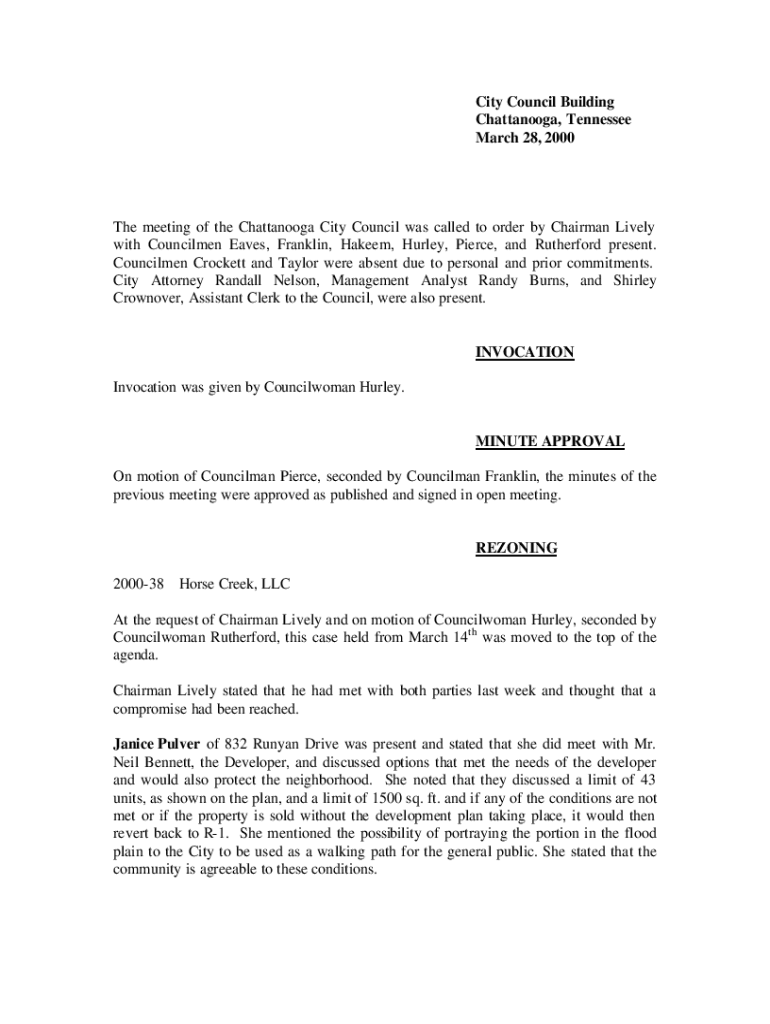







Definition and Meaning of Moments in Memory: Election of Chattanooga's First Black
The "Moments in Memory: Election of Chattanooga's first black" refers to a pivotal event that represents both a historical milestone and an opportunity for cultural reflection. This moment not only marks the election of the first African American leader in Chattanooga but also embodies a significant shift in societal dynamics, highlighting progress in equality and representation. Understanding this event requires exploring its context, implications, and the societal changes it has inspired, both locally and nationally.
The election signifies a breakthrough in political history, reflecting evolving attitudes towards race and leadership in the United States. It is essential to recognize how this moment influences perceptions of democracy, offering a platform to discuss racial equality, civic engagement, and the continuing journey toward a more inclusive society. By analyzing this moment, we gain a deeper appreciation for the struggles and triumphs of underrepresented groups in American politics.
How to Use the Moments in Memory: Election of Chattanooga's First Black
Utilizing this historical documentation involves engaging with it as an educational resource, a tool for advocacy, or a reference for scholarly research. Educators might incorporate it into curricula to discuss civil rights history and its impact on contemporary issues. Advocacy groups can use this as a case study to illustrate progress and challenges in political representation for minorities, inspiring current and future activism.
Researchers and historians can analyze this event to assess its significance within broader trends in American history. By considering factors that led to the election and its aftermath, researchers can better understand the dynamics of race and politics in a specific geographic region. They may use qualitative and quantitative methods to explore voter demographics, campaign strategies, and social shifts that contributed to this milestone.
Steps to Complete the Moments in Memory: Election of Chattanooga's First Black
-
Research the Background: Begin by gathering detailed information about the historical context leading up to the election. This includes reviewing past records of political participation and the demographics of Chattanooga.
-
Analyze Election Data: Examine the election results, including voter turnout and demographic information, to understand the factors contributing to this historic win.
-
Interview Key Figures: Conduct interviews with individuals involved in or impacted by this event, such as the elected official, community leaders, and voters.
-
Gather Secondary Sources: Compile articles, books, and media reports discussing the election and its significance to provide a well-rounded perspective on the event.
-
Draft a Narrative: Synthesize your findings into a cohesive narrative that addresses the election's significance, the challenges faced, and the outcomes achieved.
-
Create Multi-Media Presentations: Combine text with photographs, audio clips, and videos from the period to create engaging presentations that capture the essence of the moment.
Key Elements of the Moments in Memory: Election of Chattanooga's First Black
-
Historical Context: Understanding the social and political climate before the election, including civil rights movements and community efforts for equality.
-
Election Results: Detailed data pertaining to voter turnout, demographics, and the margin of victory, offering insights into the strategic elements of the campaign.
-
Social Impact: Evaluating how this election influenced attitudes towards racial equality and inspired both regional and national discussions on representation.
-
Civic Engagement: Analyzing the role of civic organizations, grassroots movements, and local leaders in mobilizing community support for the election.
-
Media Representation: Reviewing how media outlets covered the election and its significance, contributing to public awareness and historical documentation.
Examples of Using the Moments in Memory: Election of Chattanooga's First Black
-
Educational Initiatives: Schools can create projects and discussions centered on this event to teach students about civil rights and the importance of political involvement.
-
Community Events: Organizing public forums and discussions where the community can reflect on the election's impact and explore current issues of representation and equality.
-
Cultural Celebrations: Incorporating the election into cultural festivals and events that celebrate diversity and promote dialogue about historical progress.
-
Policy Advocacy: Utilizing lessons from the election to advocate for policies that further enhance representation and equity in government structures.
Legal Use of the Moments in Memory: Election of Chattanooga's First Black
Legal aspects surrounding this historic event include its adherence to electoral laws, ensuring a fair and transparent process. The election must comply with the Voting Rights Act of 1965 and subsequent amendments that aim to eliminate racial discrimination in voting. Legal scholars can use this as a case study to examine the effectiveness of these protections in fostering equitable electoral participation.
This event also emphasizes the importance of legal frameworks that support fair representation. Advocates may highlight this election when arguing for continued enforcement and enhancement of laws designed to prevent voter suppression and ensure diverse representation in civic leadership.
Important Terms Related to the Moments in Memory: Election of Chattanooga's First Black
-
Voting Rights Act: A landmark piece of federal legislation in the United States that prohibits racial discrimination in voting.
-
Civic Engagement: Citizen participation in the political process, often focused on activities that contribute to the democratic fabric of a community.
-
Representation: The action of speaking or acting on behalf of someone or the state of being represented in government.
-
Minority Representation: Ensuring that minority groups have equitable representation in political offices relative to their demographic presence in the population.