Definition and Purpose of Adult Care Facilities Forms
Adult Care Facilities Forms are essential documents used by residential care facilities in the United States to ensure compliance with regulatory standards for the care of adults. These forms serve as official records for monitoring safety, health, and service protocols within the facility. They typically detail operational guidelines, health care provisions, staff qualifications, and resident rights. Facilities use these forms to document various aspects, such as fire safety compliance, medication management, and admission protocols, ensuring that they meet state and federal healthcare requirements.
Specific Examples and Uses
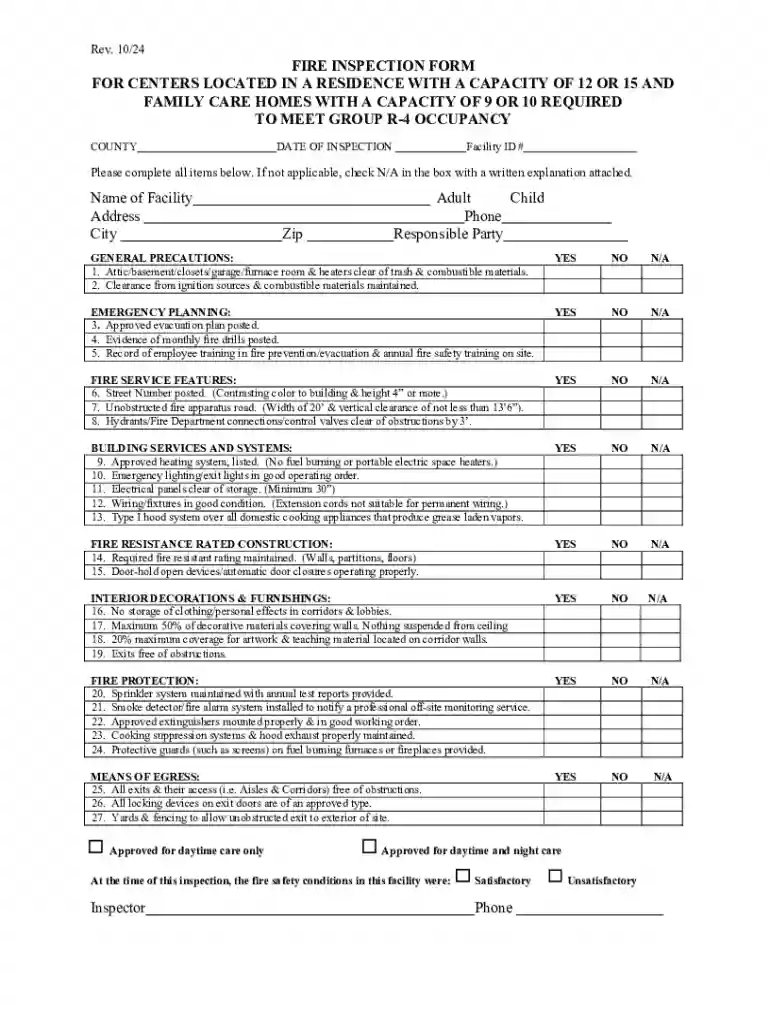
- Fire Inspection Records: Includes safety precautions and emergency planning details for adult care facilities.
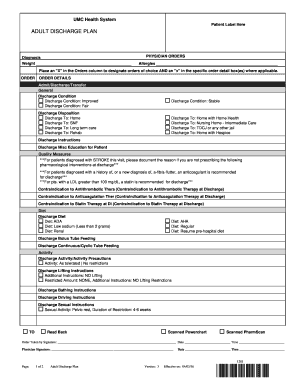
- Health Care Plans: Outlines individual medical care and service provisions for residents.
- Staffing Records: Tracks staff qualifications, training, and resident-to-staff ratios.
Understanding these forms ensures facilities can provide quality care and maintain legal compliance.
Completing Adult Care Facilities Forms: A Step-by-Step Guide
Completing Adult Care Facilities Forms requires careful attention to detail to ensure completeness and compliance. Here's a step-by-step guide to help:
- Gather Required Information: Collect details like facility identification, resident information, and staff credentials.
- Select the Appropriate Form: Choose forms based on the specific operational area, like fire safety or healthcare plans.
- Fill Out Each Section Thoroughly: Accurately input data in each section, ensuring no critical information is omitted.
- Review and Validate Information: Double-check entered data for accuracy and completeness.
- Secure Necessary Signatures: Obtain signatures from authorized personnel and stakeholders to validate the document.
Practical Scenarios
- Admission Process: Use the forms to capture critical resident health information and care needs.
- Regulatory Audits: Prepare forms accurately for inspection by regulatory bodies to avoid penalties.
Obtaining Adult Care Facilities Forms
Accessing Adult Care Facilities Forms typically involves:
- State Health Departments: Most states provide downloadable forms via their health department websites.
- Health Care Associations: These organizations may offer templates and guidance tailored to specific care settings.
- Legal or Compliance Professionals: Consulting with these experts can ensure you're using the correct forms for your facility's needs.
Methods of Distribution
- Online Portals: Many states offer online access to these forms and submission capabilities.
- Facility Administration Offices: Physical copies can often be obtained directly from these offices.
Importance of Adult Care Facilities Forms
These forms are vital for maintaining compliance with health and safety regulations, which is paramount in ensuring that facilities provide the highest standard of care. They also protect facility operators by documenting compliance with legal requirements.
Key Benefits
- Regulatory Adherence: Help facilities meet local, state, and federal requirements.
- Quality Assurance: Facilitate consistent care quality through standardized documentation.
- Risk Management: Aid in identifying and addressing potential safety and health issues.
Eligible Users of Adult Care Facilities Forms
These forms are typically used by various stakeholders within the adult care setting, including:
- Facility Administrators: Oversee the completion of forms and ensure compliance.
- Health Care Providers: Input resident care information and health data.
- Regulatory Inspectors: Use forms to assess compliance during facility reviews.
Key Elements of Adult Care Facilities Forms
The forms include several critical components, structured to cover essential areas:
- Facility Identification: Name, address, and operational specifics.
- Resident Information: Personal, health, and medical details.
- Staff Qualifications: Documentation of staff training and credentials.
- Compliance Assessments: Sections for auditing and regulatory adherence.
Examples of Key Components
- Safety Compliance Checklists: Rate adherence to fire, emergency, and safety protocols.
- Health Records: Compile medical and care plans for residents.
Electronic and Paper Versions of Forms
Adult Care Facilities Forms are available in multiple formats, providing flexibility:
- Electronic Forms: Accessible via online portals, ensuring quick, streamlined submission and management.
- Paper Forms: Used when electronic submissions are not possible, catering to facilities with limited digital access.
Pros and Cons
- Electronic: Provides fast access and submission but requires stable internet connections.
- Paper: Easy physical storage, but more prone to errors and loss.
Legal Use of Adult Care Facilities Forms
Adherence to legal guidelines when using Adult Care Facilities Forms is critical, as they ensure the facility:
- Meets Regulatory Standards: Documents are formatted and stored according to legal guidelines.
- Protects Resident Rights: Forms include sections that ensure resident rights and privacy are respected.
- Maintains Documentation Integrity: Safeguards against unauthorized modifications or disclosures.
Legal Compliance Topics
- Confidentiality Agreements: Ensure sensitive information is handled appropriately.
- Record Retention: Legal requirements for retention period and storage conditions.
This comprehensive coverage of Adult Care Facilities Forms provides facility operators with the necessary insight and tools to maintain compliance and ensure optimal care standards.