Definition & Meaning
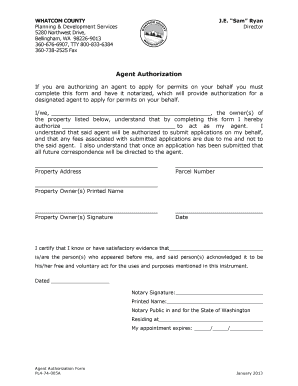
The "Authorization of Representative" form allows an individual to designate another person to act on their behalf in specific legal or administrative matters. This form is particularly crucial when dealing with situations that require handling sensitive information or making decisions under legal frameworks like the Freedom of Information and Protection of Privacy Act. The primary purpose of this form is to specify the extent of authority given to the representative, ensuring they can access necessary information or complete tasks in the best interest of the principal party.
Typically, the form outlines the scope of authority granted, such as accessing specific information, making decisions, or performing certain actions on behalf of the authorizing individual. It also often includes parameters like the duration of the authority, any conditions or limitations, and the roles and responsibilities of the representative. Understanding the definition and purpose of this form is essential for both the authorizing individual and the person acting as their representative to prevent potential misuse of the allowed powers.
Key Elements of the Authorization of Representative
- Parties Involved: Identifies the individual granting permission (the principal) and the individual receiving authorization (the representative).
- Scope of Authority: Clearly delineates the tasks or decisions the representative is empowered to make on behalf of the principal.
- Duration of Authorization: Specifies how long the authorization remains valid, whether for a specific period or until the completion of a certain task.
- Signatures: Includes signatures from both the principal and potentially a witness, confirming the agreement and understanding of its terms.
- Affidavit Requirements: In certain cases, an affidavit may be needed to confirm that the witness was present during the signing.
These elements ensure the form's legal standing and clarity, allowing all parties to be aware of their rights and obligations under this agreement.
Steps to Complete the Authorization of Representative
- Gather Required Information: Collect details about both the principal and the prospective representative, including names, contact information, and any relevant identification numbers.
- Define the Scope: Clearly outline the tasks and decisions the representative is authorized to handle. Be specific about any limitations or conditions attached to these permissions.
- Determine Duration: Decide on the time frame for the authorization, whether indefinite, for the duration of a particular project, or until a predetermined date.
- Draft the Document: Fill in the necessary information on the authorization form, ensuring all sections are completed accurately and legibly.
- Sign and Witness: Both parties must sign the form, and a witness may be required to sign and attest the document's authenticity.
Following these steps ensures the correct completion and implementation of the authorization form, safeguarding the interests of both parties involved.
Legal Use of the Authorization of Representative
In the United States, the authorization of representative form is used to navigate various legal contexts where a person needs representation. This could involve handling tax matters with the Internal Revenue Service (IRS), legal representation in court, or managing someone's affairs when they cannot do so themselves due to illness or other conditions.
It's pivotal to consult with legal professionals to understand how this form interacts with state-specific laws and regulations since requirements can vary. The legal enforceability of the authorization is contingent on complying with these local statutes and ensuring proper execution of the document.
Examples of Using the Authorization of Representative
- Healthcare Decisions: An individual might use this form to allow a family member to make health-care decisions on their behalf if they become incapacitated.
- Tax Representation: A taxpayer might authorize a tax professional to represent them in IRS matters, such as audit correspondence or appeals.
- Business Transactions: Business owners may use it to appoint someone to handle contractual obligations or negotiations in their absence.
These examples illustrate the form's capacity to facilitate critical decisions and responsibilities that might otherwise be hindered by the principal's inability to act directly.
State-Specific Rules for the Authorization of Representative
State laws can significantly impact how these forms are structured and utilized. For instance, some states might require notarization, specific wording, or additional documentation for the form to be considered legally binding. Certain states have unique statutes that outline the precise powers a representative can and cannot be granted.
Understanding these state-specific requirements is vital, especially for individuals residing in states with detailed legal frameworks governing representation. Consulting with a legal expert familiar with state laws ensures compliance and avoids potential legal issues.
Who Typically Uses the Authorization of Representative
This form is commonly used by:
- Individuals with Disabilities or Health Issues: To designate someone to handle financial or healthcare decisions.
- Elderly Individuals: Often appoint a trusted family member or friend to manage their affairs as they age.
- Business Professionals: Frequently use it to appoint representatives authorized to handle transactions or administrative tasks.
- Taxpayers: Have a tax preparer or accountant represent them in tax matters.
These users benefit from the increased flexibility and security this form provides in handling their affairs.


Who Issues the Form
The issuance of this form can vary based on context:
- Government Agencies: Often provide standard forms for specific purposes, such as tax representation or social security matters.
- Legal Professionals: Lawyers may draft personalized forms that cater to specific client needs or unique legal situations.
- Online Services: Many platforms, like DocHub, offer customizable templates for authorization forms, allowing users to tailor documents to their specific needs.
These sources ensure that individuals can obtain the form that best suits their particular requirements, guided by legal standards and specific use cases.
Digital vs. Paper Version
The choice between digital and paper versions of the authorization form depends on factors such as convenience, accessibility, and legal requirements. Digital forms offer the benefit of easy distribution and storage, as well as integration with document management platforms like DocHub. They also allow for easy updates and corrections without the need for reprinting.
However, paper versions might still be necessary for specific legal processes or among parties who prefer traditional documentation methods. The choice largely depends on the preferences of the involved parties and any stipulations from third-party institutions requiring the form.