




Definition & Meaning
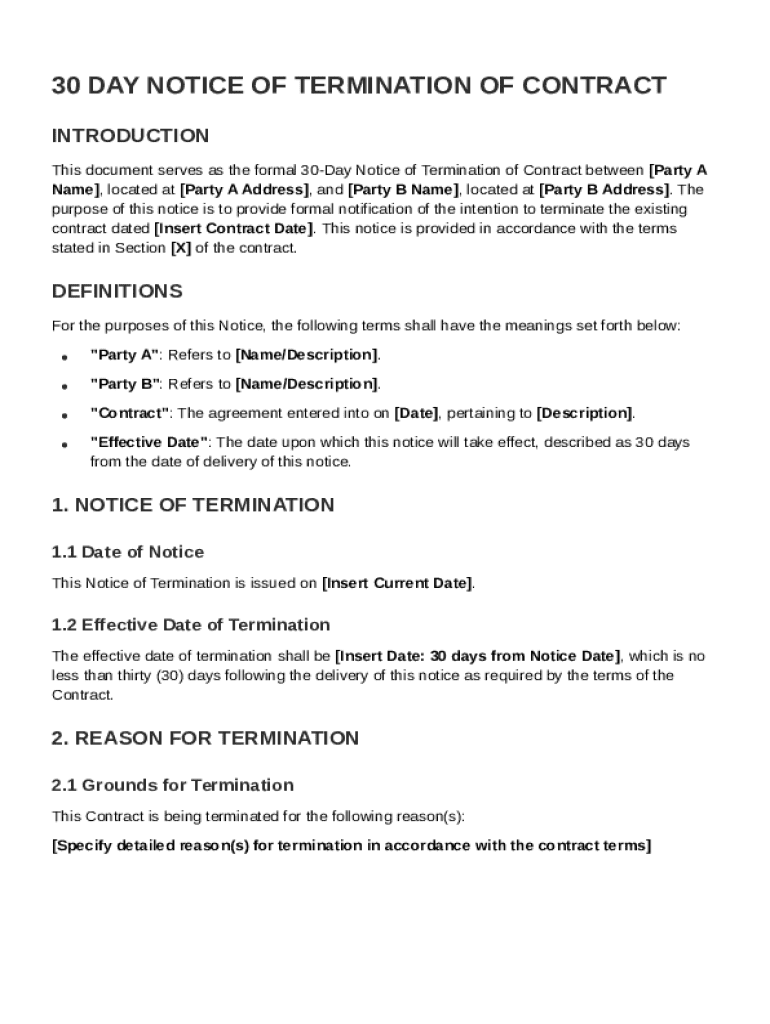
The "30-Day Notice Termination Contract Template" is a legal document used to formally notify a party of the intention to terminate an existing contract. This template is essential for ensuring that both parties involved are aware of the termination date and any obligations that must be fulfilled prior to the contract's end. It provides clarity on the terms under which a contract can be terminated, often including stipulations for final payments, property return, and confidentiality commitments.
Key Elements of the 30-Day Notice Termination Contract Template
This template typically includes the following components:
- Effective Date of Termination: Specifies when the termination will take effect.
- Reasons for Termination: Clear explanation of why the contract is being terminated.
- Final Obligations: Instructions on final payments, return of property, and completion of any remaining duties.
- Confidentiality Clauses: Guidelines on maintaining confidentiality post-termination.
- Dispute Resolution Processes: Procedures to resolve any disagreements arising from the termination.
- Governing Law: The applicable legal jurisdiction overseeing the contract terms.
How to Use the 30-Day Notice Termination Contract Template
To effectively use the template, consider the following steps:
- Review Existing Contract Terms: Before initiating the termination, assess the current contract to ensure compliance with termination clauses.
- Customize the Template: Fill in the necessary details, such as party names, termination date, and specific reasons for termination.
- Consult Legal Advice: If there are complex issues, seek legal counsel to ensure the template's completeness.
- Distribute the Notice: Deliver the completed notice to the other party, adhering to any specified delivery methods in the original contract.
Steps to Complete the 30-Day Notice Termination Contract Template
- Header Details: Start with both parties' names and contact information.
- Subject Line: Clearly indicate it's a "30-Day Notice of Termination."
- Body Paragraphs:
- Introduction: State the intent to terminate the contract.
- Details of Termination: Outline the effective date and reasons.
- Final Steps: Provide a summary of needed actions before termination.
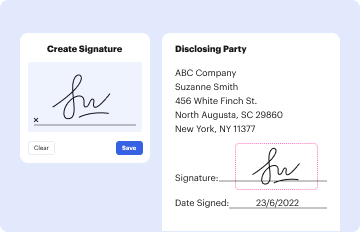
- Signature Section: Include spaces for both parties to sign, acknowledging the receipt and terms.
Legal Use of the 30-Day Notice Termination Contract Template
This template is legally binding when both parties agree to its terms and affix their signatures. It is crucial to:
- Ensure Compliance: Follow all relevant state laws and contract specifics.
- Obtain Mutual Agreement: Both parties must agree to and acknowledge the notice.
- Record Keeping: Keep a copy for personal records and legal protection.
Examples of Using the 30-Day Notice Termination Contract Template
- Rental Agreements: Used when a tenant or landlord decides to end a lease agreement.
- Service Contracts: Employed when concluding services provided by a contractor or agency.
- Employment Contracts: Applicable for terminating employment arrangements on stipulated terms.
State-Specific Rules for the 30-Day Notice Termination Contract Template
States may have varying regulations affecting contract termination notices, including:
- Notice Period Requirements: While 30 days is standard, some states could demand longer periods for specific contracts.
- Delivery Method Legislation: Certain states might mandate how notices need to be delivered (e.g., certified mail, in-person).
- Contract-Specific Statutes: Additional rules may apply based on contract type (e.g., real estate or employment).
Who Typically Uses the 30-Day Notice Termination Contract Template
This template is frequently used by:
- Landlords and Tenants: For terminating rental agreements.
- Business Owners and Contractors: To end service agreements.
- Employers and Employees: When concluding employment contracts under set terms.
Choosing the relevant aspects and customizing the template accordingly ensures that it meets legal requirements and aligns with the contractual obligations for all involved parties.