




Definition & Meaning
The Equity Agreement Template is a structured legal document that outlines the arrangements between a company and its equity holders. It provides detailed specifications on how shares or interests in the company are granted and managed. This template covers a variety of sections, such as terms of equity grants, vesting schedules, shareholder rights, and restrictions on transferring shares. Its primary aim is to clarify the rights and responsibilities of all parties involved, ensuring a mutual understanding of ownership dynamics and obligations. By defining these aspects, the template helps safeguard the interests of both the company and its equity holders, reducing the likelihood of future disputes.
Key Elements of the Equity Agreement Template
Understanding the components of the Equity Agreement Template is crucial for its effective use. Key elements generally included are:
- Grant of Equity: Details on how the equity shares or interest will be issued, including conditions and mechanisms.
- Vesting Schedules: A timeline for when equity holders gain full ownership, providing motivations for long-term commitment.
- Rights and Obligations: Specific rights given to equity holders, such as voting rights, as well as obligations they need to fulfill.
- Transfer Restrictions: Conditions under which shares can be transferred to preserve the company's control over its ownership structure.
- Representations and Warranties: Assurances made by each party about their authority to enter the agreement and the accuracy of provided information.
- Indemnification: Provisions that protect parties against potential legal liabilities arising from breaches of agreement clauses.
Steps to Complete the Equity Agreement Template
Successfully filling out an Equity Agreement Template requires careful attention to every detail. Here is a step-by-step guide to assist you through the process:
- Identify the Parties: Clearly state the names of the company and the equity holders involved in the agreement.
- Outline the Equity Details: Enter precise details regarding the equity grant, including number of shares or percentage of interest, and any associated value.
- Determine Vesting Terms: Specify the vesting schedule and any conditions or milestones tied to the vesting.
- Enumerate Rights: Clearly define what rights the equity holders possess and any restrictions.
- Address Transfer Conditions: Detail the terms under which equity can be transferred, if applicable.
- Include Legal Assurances: Draft representations and warranties clauses to ensure all parties have the necessary authority to enter the agreement.
- Finalize with Indemnification: Include terms that protect each party from potential liabilities or breaches.
Legal Use of the Equity Agreement Template
The legal framework surrounding an Equity Agreement Template is vital for ensuring compliance and enforceability. This template is commonly used to establish legal rights and obligations related to equity in a company. When drafted correctly, it complies with existing laws and regulations, including corporate governance rules and securities regulations. Legal review is typically recommended to ensure that the agreement adheres to relevant legal statutes and provides appropriate protection for the parties involved. Law firms or legal advisors often offer expertise in drafting and reviewing these agreements to minimize legal risks.
Important Terms Related to the Equity Agreement Template
Familiarity with significant terms is important for understanding and utilizing the Equity Agreement Template. Some key terms include:
- Equity Holder: An individual or entity that holds shares or ownership interest in a company.
- Vesting: A process by which an equity holder earns non-forfeitable rights over a certain period.
- Restriction: Legal limitations imposed on actions such as the transfer or sale of shares.
- Indemnity: Security against potential loss or damage as part of the agreement terms.
- Confidentiality: Obligation to keep sensitive company information private.
Who Typically Uses the Equity Agreement Template
The Equity Agreement Template is most commonly used by startups, growing companies, investors, and venture capitalists. Typically, startups and budding businesses use the template to define and distribute equity shares among founders, investors, early employees, or advisors. Companies undergoing expansion might utilize this template to formalize investments and establish shareholder arrangements. Investors and venture capital firms also often require an Equity Agreement to protect their investment interests and ensure they have the requisite rights and protections as stakeholders in a company.

Business Types That Benefit Most from the Equity Agreement Template
While a variety of businesses can benefit from an Equity Agreement Template, certain business types might find it particularly advantageous:
- Startups: To establish founder and early investor equity terms.
- LLCs and Corporations: For managing internal equity distributions as part of employee compensation or investment rounds.
- Partnerships: To formalize ownership interests among partners and investors.
Organizations in the technology, finance, and healthcare industries often find this template especially useful due to complex ownership structures and frequent investment transactions.
State-by-State Differences
Awareness of state-specific regulations is essential as equity agreements might be subject to varying rules across different states within the U.S. Each state might have particular statutes governing the enforcement of equity agreements, securities regulations, and corporate governance requirements. For example, states like Delaware, known for its business-friendly laws, might have different standards compared to others. Companies must ensure their agreements comply with the specific legal requirements of the state in which they are incorporated or where they primarily operate, and legal counsel is advisable for navigating these differences effectively.
Digital vs. Paper Version
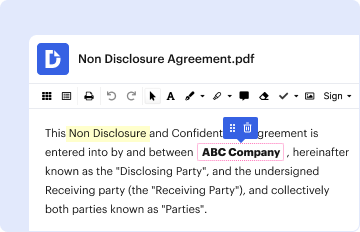
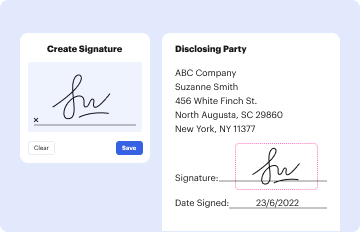
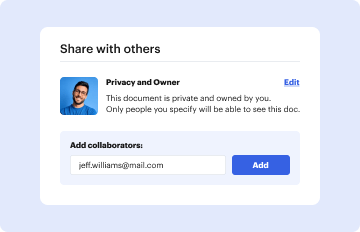
The choice between using a digital versus paper version of the Equity Agreement Template can have implications for efficiency and accessibility. Digital versions offer the advantage of easy sharing, electronic signing, and cloud storage, facilitating seamless collaboration and real-time updates. They can be secured with encryption and password protection to safeguard sensitive information. On the other hand, paper versions might serve traditional clients or situations requiring signed hard copies for record-keeping. For optimal flexibility, consider DocHub's platform for managing equity agreements digitally, leveraging its tools for editing, signing, and storing documents efficiently.