




Definition and Purpose of the Debt Settlement Agreement Template
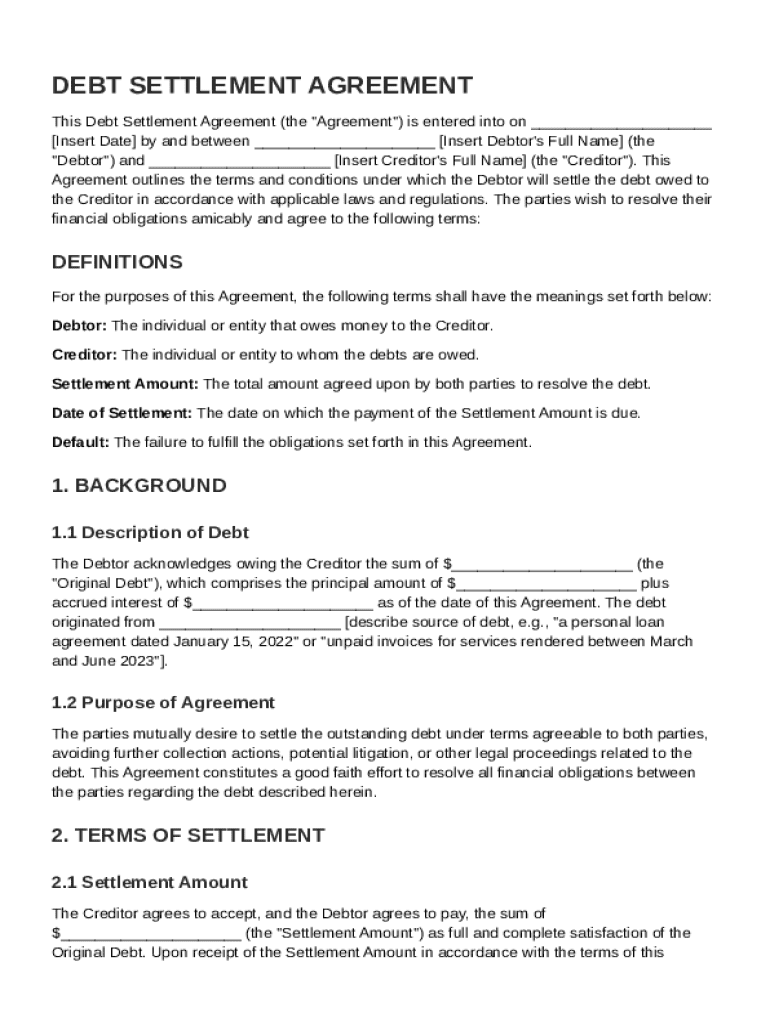
A Debt Settlement Agreement Template is a document designed to formalize an arrangement between a creditor and a debtor to settle a debt. The primary objective of the template is to outline mutually agreed-upon terms, providing clarity and protection for both parties involved. This agreement typically includes critical elements such as the original amount owed, the negotiated settlement figure, and a timeline for settling the debt. It also specifies the mutual release of liability once the agreed payments are completed. By establishing a clear understanding, the template helps in preventing misunderstandings and potential disputes.
Key Features of the Template
- Settlement Terms: Clearly outlines the amount to be paid by the debtor and the timeline.
- Release of Liability: Details conditions under which the debtor will be released from further obligations.
- Payment Schedule: Specific dates and amounts for installment payments, if applicable.
- Governing Law: States jurisdiction and legal framework governing the agreement.
How to Use the Debt Settlement Agreement Template
To effectively use a Debt Settlement Agreement Template, one must follow a structured approach. Begin by filling out necessary personal information, including names and contact details of involved parties. Next, clearly define the total debt, settlement amount, and proposed payment schedule. Ensure all details are accurate and cover all agreed-upon terms to avoid ambiguity.
Steps to Customize the Template
- Identify Parties: Fill in creditor’s and debtor’s full names and contact details.
- Detail Debt Information: Document specific details about the original debt.
- Agree on Settlement Amount: Enter the agreed reduced amount to be paid.
- Outline Payment Plans: Specify payment dates and amounts.
- Final Review: Double-check all details for accuracy and completeness.
Key Elements of the Agreement
The key elements within a Debt Settlement Agreement are crucial for ensuring the document's effectiveness and enforceability. These elements collectively contribute to a comprehensive legal document that facilitates debt resolution.
Critical Components
- Identities of Parties: Legal names and signatures of all involved parties.
- Total Debt Description: A detailed overview of the original debt, including interest and fees.
- Settlement Clause: Defines the agreed settlement figure.
- Default Clause: Outlines repercussions if the debtor defaults on payments.
Legal Use and Compliance
Ensuring the Debt Settlement Agreement Template is legally compliant involves adhering to federal and state regulations. In the United States, the agreement must comply with all applicable laws to be enforceable. It must be entered into voluntarily, without any duress.
Legal Compliance Tips
- State Laws: Verify that terms align with the laws of the state where the agreement is executed.
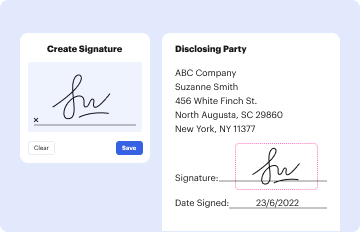
- Signatures: Both parties must sign the document for it to be legally binding.
- Consideration: The agreement should include mutual consideration — something of value exchanged between parties.
Who Typically Uses the Debt Settlement Agreement Template
This template is commonly used by individuals and businesses seeking to resolve outstanding debts without resorting to litigation. Creditors and debtors alike can benefit from the clarity and formal resolution provided by such an agreement.

Beneficiary Examples
- Individual Debtors: Seeking relief from high-interest debt or unsecured loans.
- Creditors: Aiming to recover a portion of the loan rather than facing potential losses.
- Businesses: Needing to settle accounts payable with suppliers or service providers.
State-Specific Regulations
Debt settlement agreements must often comply with state-specific rules and standards. These rules can dictate differences in requirements for notifications, garnishments, or contractual nuances. Ensure you review pertinent state laws when drafting the agreement to avoid non-compliance.
State Considerations
- Notification Requirements: Certain states have specific mandates on how creditors must communicate intent.
- Usury Laws: Limits may exist on the interest rates a creditor can charge if future payments are included.
- Disclosure Obligations: Full disclosure of all terms and conditions may be mandated by state law.
Practical Examples and Scenarios
Understanding how a Debt Settlement Agreement operates in practice can significantly enhance its implementation. Consider scenarios where the agreement facilitated a beneficial compromise:
- Case Study: A company struggling with overhead costs negotiated a reduced lump sum payment with a supplier, leading to a positive long-term relationship.
- Example Scenario: An individual with looming credit card debt settled for a reduced amount, allowing credit repair while avoiding bankruptcy.
Obtaining the Debt Settlement Agreement Template
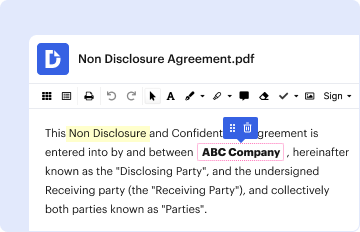
Securing a Debt Settlement Agreement Template for use can be achieved through various sources. Templates are frequently available online from legal service providers or document editing platforms like DocHub, which streamline the process of creating and editing legal documents.
Access Methods
- Online Platforms: Several digital platforms offer downloadable templates customized for specific states.
- Legal Services: Attorneys or legal consultants might provide tailored templates.
- Document Editors: Utilize platforms that support various file formats for easy customization.