




01. Edit your form online
Type text, add images, blackout confidential details, add comments, highlights and more.

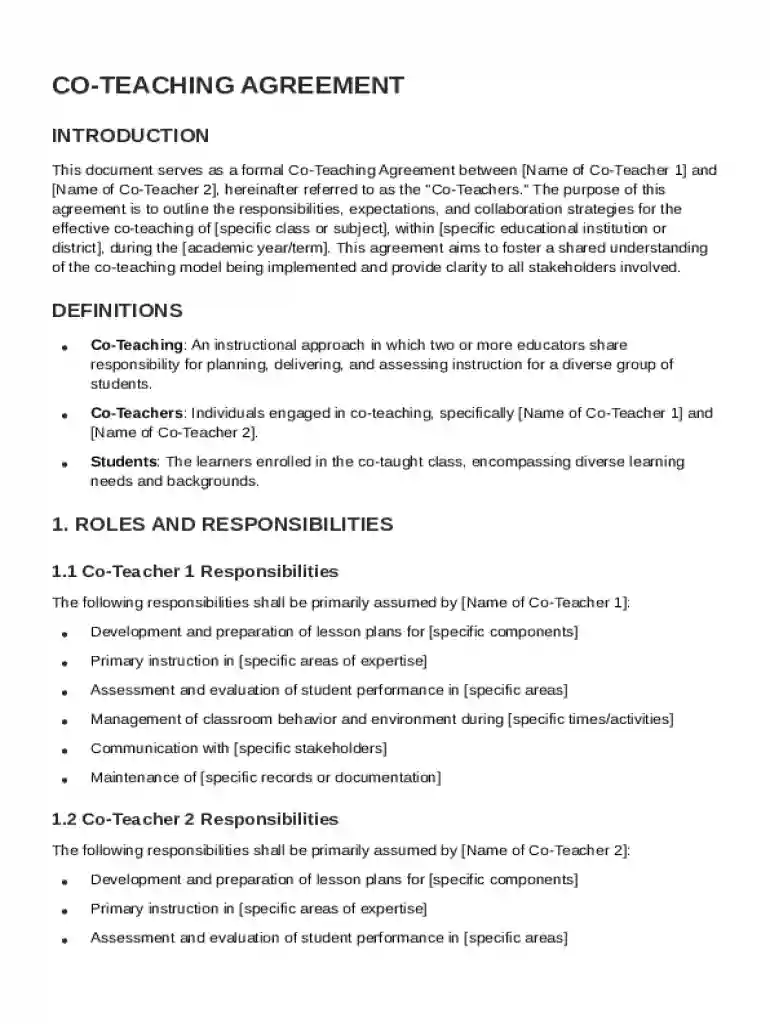
Type text, add images, blackout confidential details, add comments, highlights and more.

Draw your signature, type it, upload its image, or use your mobile device as a signature pad.

Send it via email, link, or fax. You can also download it, export it or print it out.
A Co-Teaching Agreement Template serves as a structured document that outlines the collaborative approach between two or more educators sharing the responsibility for teaching a particular group of students. This formal agreement aims to clarify the roles, responsibilities, and methodologies involved in co-teaching, enhancing the educational experience by leveraging diverse teaching styles and expertise. Key elements include defining co-teaching, establishing shared and individual responsibilities, and outlining instructional strategies to effectively meet diverse student needs.
This template is primarily utilized by primary, middle, and high school educators involved in inclusive education programs or collaborative teaching initiatives. It is especially beneficial in environments embracing diverse learning needs and aiming for holistic child development.


The Co-Teaching Agreement Template is a legally binding document once signed by all parties involved, providing a framework for accountability and conflict resolution. The agreement should align with district policies and state education laws to ensure compliance.
Rules and requirements for co-teaching arrangements can vary significantly from one state to another in the U.S. Each state may have specific guidelines regarding qualifications, student-teacher ratios, and program implementation, necessitating that educators stay informed about local regulations.
DocHub offers seamless compatibility with various digital document formats, ensuring that users can easily modify and utilize the Co-Teaching Agreement Template. Integration with platforms such as Google Workspace and Dropbox further simplifies document sharing and collaboration.
This comprehensive detailing of the Co-Teaching Agreement Template offers educators and administrators insight into effectively crafting, implementing, and managing a cooperative teaching framework suitable for diverse educational settings.
At DocHub, your data security is our priority. We follow HIPAA, SOC2, GDPR, and other standards, so you can work on your documents with confidence.


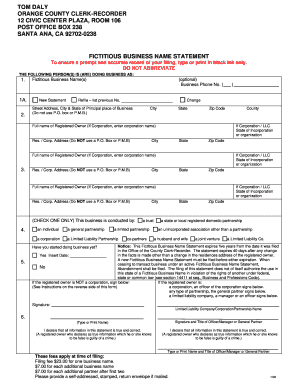

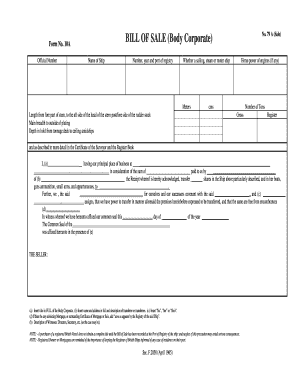
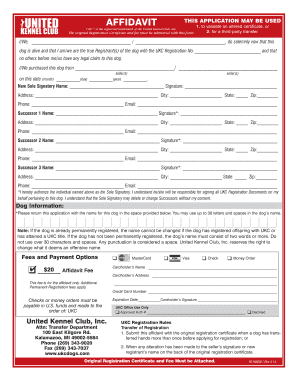

This resource includes questions to think about and discuss when entering a co-teaching partnership and a co-teaching contract.
Employer agrees to provide sufficient supervisory visit time between the student, employer and the schools cooperative education coordinator or appropriate
Collaborate with others. The design process has helped me see that I have a responsibility to be a change agent for teaching and learn- ing.


