




Definition and Meaning
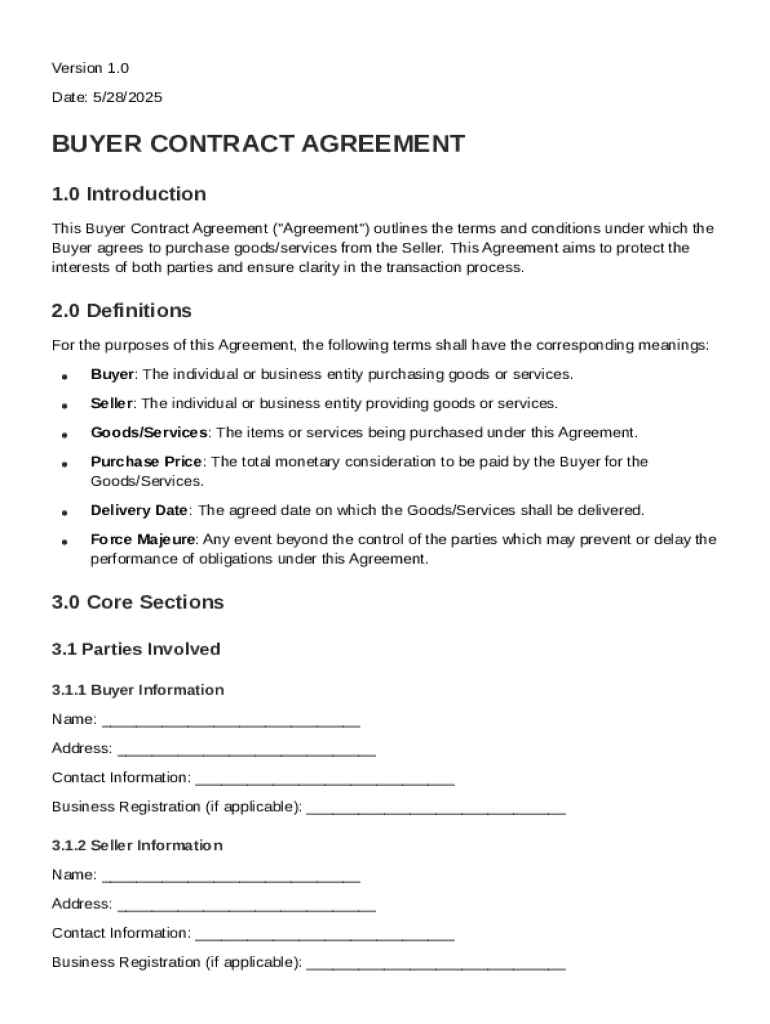
The Buyer Contract Template is a standardized document designed to outline the agreement between a buyer and a seller for the purchase of goods or services. This template serves as a foundational framework to ensure that both parties clearly understand their responsibilities and the terms of the transaction. Common components of a buyer contract include the details of the parties involved, a description of the goods or services, payment terms, delivery conditions, warranties, termination rights, confidentiality clauses, and the governing law. By employing this template, parties can protect their interests, minimize misunderstandings, and ensure a legally binding agreement.
Key Elements of the Buyer Contract Template
A thorough Buyer Contract Template will encompass several critical components that legally define the buyer-seller relationship:
- Parties Involved: Clearly identifies the buyer and the seller, including names and contact information.
- Goods or Services: Detailed description of what is being bought or sold, including quantities, specifications, and quality standards.
- Payment Terms: Outlines the payment schedule, methods of payment, and any penalties for late payment.
- Delivery Conditions: Defines how and when the goods or services will be delivered, including responsibilities and liabilities during transportation.
- Warranties and Guarantees: Specifies any warranties offered by the seller and the duration of these warranties.
- Termination and Breach Conditions: Details the conditions under which the contract can be terminated and the penalties for breach.
- Confidentiality Obligations: Protects any sensitive information shared between parties during the transaction.
- Governing Law: Identifies the legal jurisdiction under which the contract will be interpreted.
How to Use the Buyer Contract Template
The Buyer Contract Template is straightforward to use and customize for specific transactions:
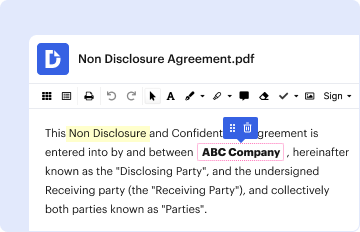
- Review and Update: Start by reviewing the template in its entirety, updating sections where details need to be specified, such as names, product descriptions, and unique terms.
- Customizing Clauses: Modify any clauses that require specific conditions or that cater to the unique aspects of the transaction.
- Verification: Both parties should verify their understanding of the terms and confirm any legal requirements are met.
- Negotiation: If needed, negotiate terms that might require adjustment to meet both parties' needs.
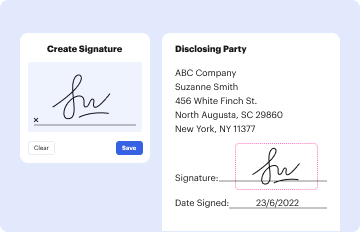
- Signature: Once finalized and mutually agreed upon, each party should sign and date the agreement to signify binding acceptance.
Steps to Complete the Buyer Contract Template
Completing the Buyer Contract Template involves several distinct steps:
- Gather Information: Collect all necessary details about both parties and the transaction specifics.
- Populate Template: Enter the gathered details into the designated sections of the template.
- Review Legal Terms: Ensure all legal terms are appropriate, correct, and comply with governing law.
- Consult Legal Counsel: Although optional, consider having a legal professional review the contract to ensure completeness and compliance.
- Confirmation: Both parties should double-check the final document for accuracy.
- Execution: Signatures from both parties finalize the contract, making it legally binding.
Legal Use of the Buyer Contract Template
The Buyer Contract Template serves multiple legal functions in business transactions:
- Legal Protection: It provides a clear record of the terms agreed upon, serving as evidence in any legal disputes.
- Adherence to Law: Ensures that transactions comply with applicable laws and regulations, which vary by jurisdiction.
- Enforceability: Offers enforceable rights and obligations, allowing parties legal recourse in instances of breach.
- Deterring Disputes: Clearly defined terms reduce the likelihood of disagreements and mitigate risk by setting clear expectations.
State-Specific Rules for the Buyer Contract Template
Different states may impose additional or specific regulations affecting buyer contracts:
- Variation in Governing Laws: Each state in the U.S. may interpret certain contract terms differently under local statutes and common law.
- Consumer Protections: Some states have enhanced consumer protection laws that might affect how certain terms are enforced.
- Registration Requirements: In select situations, state-specific registration might be necessary for contracts of significant value or involving real estate.
- Signature Requirements: States can vary in their requirements regarding electronic versus handwritten signatures being deemed legally binding.
Who Typically Uses the Buyer Contract Template
Various professionals and entities frequently utilize Buyer Contract Templates:
- Small Business Owners: For purchase agreements with suppliers and vendors.
- Independent Contractors: To stipulate terms when buying equipment or materials essential for services rendered.
- Corporations: Involved in large-scale transactions requiring comprehensive legal agreements.
- Retailers: Executing contracts with wholesalers for inventory procurement.
- Service Providers: Engaging in service contract agreements with end customers or larger businesses.

Examples of Using the Buyer Contract Template
The Buyer Contract Template can be utilized across a variety of scenarios:
- Retail Purchases: When a retailer engages a supplier to deliver goods regularly over a year or more.
- Equipment Acquisition: Businesses purchasing heavy machinery or technology equipment including terms around setup and service warranties.
- Service Procurement: Corporations outsourcing specialized services with specific performance and payment milestones.
- Real Estate Transactions: Used during the sale of a property, detailing specific conditions around the sale and any contingencies.
- Cross-Border Agreements: Adapting the template for international purchases where implications on taxes and duties are more pronounced.
Important Terms Related to Buyer Contract Template
Understanding the legal terminology within a Buyer Contract Template is crucial:
- Consideration: The value exchanged between the parties in a contract, typically goods/service for payment.
- Indemnification: An agreement to compensate for any losses or damages incurred by the other party.
- Severability: A clause ensuring that if some terms are invalidated, the remainder of the contract remains in effect.
- Force Majeure: Circumstances beyond control (natural disasters, etc.) that may allow a contract to be suspended or terminated without penalty.
- Confidential Information: Any proprietary data shared under the contract protected against disclosure.