



Definition and Key Elements of the Draft Loan Agreement Template
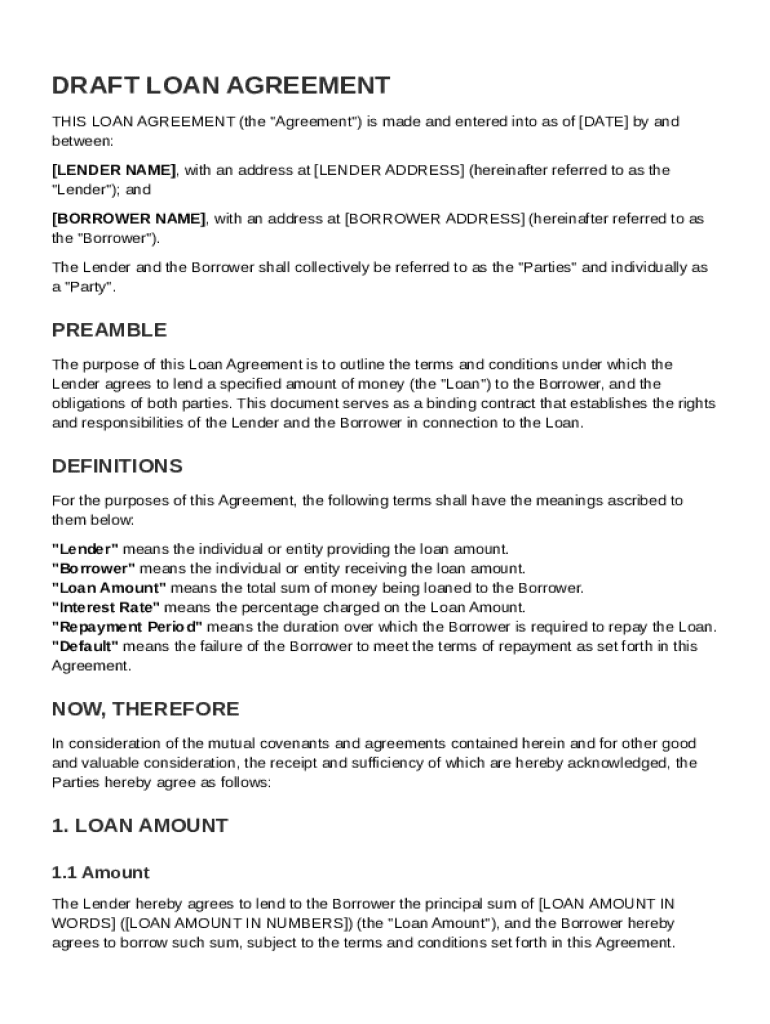
A draft loan agreement template serves as a foundational document outlining the terms and conditions of a loan between a lender and a borrower. It ensures clarity about obligations and rights, covering essential elements such as:
- Loan Amount: Specifies the total capital lent to the borrower.
- Interest Rate: Details the percentage rate applicable to the borrowed sum.
- Repayment Schedule: Establishes the timetable for returning the borrowed funds, including periodic payment amounts and due dates.
- Default Conditions: Enumerates scenarios that constitute a breach of contract, including non-payment and other violations of terms.
- Remedies for Default: Lists the actions available to the lender in case of borrower default, such as legal proceedings or asset liquidation.
- Representations and Warranties: Provides assurances from both lender and borrower regarding their eligibility and intentions.
- Governing Law Provisions: Identifies the jurisdiction governing the contract.
- Miscellaneous Clauses: Covers aspects like amendments, notices, and dispute resolution.
How to Use the Draft Loan Agreement Template
Using a draft loan agreement template efficiently involves understanding its components and customizing it to suit specific needs. Here are steps for its effective use:
- Download and Review: Obtain the template from a reliable source and review the sections included.
- Customize Terms: Adapt clauses such as loan amount, interest rate, and repayment terms to fit the specifics of your transaction.
- Add Parties' Information: Insert detailed names, addresses, and contact details for both lender and borrower.
- Legal Review: Consult with a legal expert to ensure the agreement complies with the applicable jurisdiction's laws.
- Finalize the Document: Ensure all fields are complete and accurate, reflecting the finalized terms.
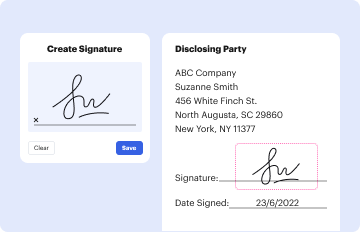
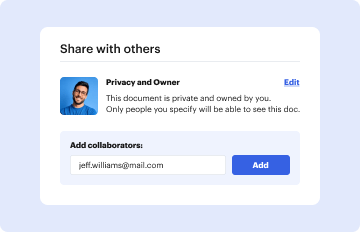
- Execution and Signatures: Have both parties sign the agreement, either physically or using electronic signatures through platforms like DocHub.
Steps to Complete the Draft Loan Agreement Template
Completing a draft loan agreement template requires several organized stages:
- Identify Parties: Clearly specify the lender and borrower's identifying details.
- Define Loan Terms: Outline the loan principal, interest, and repayment conditions.
- Detail Default Procedures: Ensure there is a clear outline of what constitutes default and remedies available.
- Document Signatures: Facilitate signing using a platform with legally binding e-signature capabilities, which supports compliance with the ESIGN Act.
- Distribute Copies: Share signed copies with all parties involved for reference and future use.
Legal Use of the Draft Loan Agreement Template
Using a draft loan agreement template legally involves adhering to applicable rules and statutes:
- Compliance with ESIGN Act: Ensure electronic signatures comply with legal standards.
- State-specific Regulations: Adapt template language to conform with the governing state laws including usury laws.
- Binding Nature: Once executed, the agreement is legally binding and enforceable in court.
- Applies to Varied Loan Scenarios: Whether personal, business, or commercial, align the template with the loan's purpose and scope.
Who Typically Uses the Draft Loan Agreement Template
This template is utilized by various entities and individuals:
- Small Business Owners: For setting clear terms on borrowed capital.
- Start-ups: Benefiting from structured finance agreements to secure start-up capital.
- Personal Lenders: Friends or family lending funds with formal agreements to ensure repayment.
- Financial Institutions: Banks and credit services offering franchise financing or installment loans.

Important Terms Related to the Draft Loan Agreement Template
Understanding the jargon within a loan agreement enhances comprehension and efficacy:
- Principal: The original sum lent.
- Amortization: The gradual repayment of the loan principal over time.
- Collateral: Assets pledged against the loan.
- Covenant: An agreement clause imposing certain conditions or restrictions.
- Accrued Interest: Interest accumulated since the last payment.
State-specific Rules for the Draft Loan Agreement Template
State laws can affect the execution and enforceability of loan agreements:
- Interest Caps and Usury Laws: Laws regulating maximum interest charges on loans.
- Regulatory Approvals: Certain loans may require state-specific filings or disclosures.
- Variations in Enforceability: Differences in local jurisprudence can impact how breaches are handled.
Digital vs. Paper Versions of the Draft Loan Agreement Template
Both digital and paper versions of the template have specific use cases:
- Digital Advantages: Electronic templates offer ease of sharing, editing, and securing via encryption.
- Paper Benefits: May be preferred for traditionalists or where digital literacy is limited.
- Combination Use: Many find a combination approach effective, storing signed copies digitally for permanence while providing physical copies for record-keeping.