






Definition & Meaning
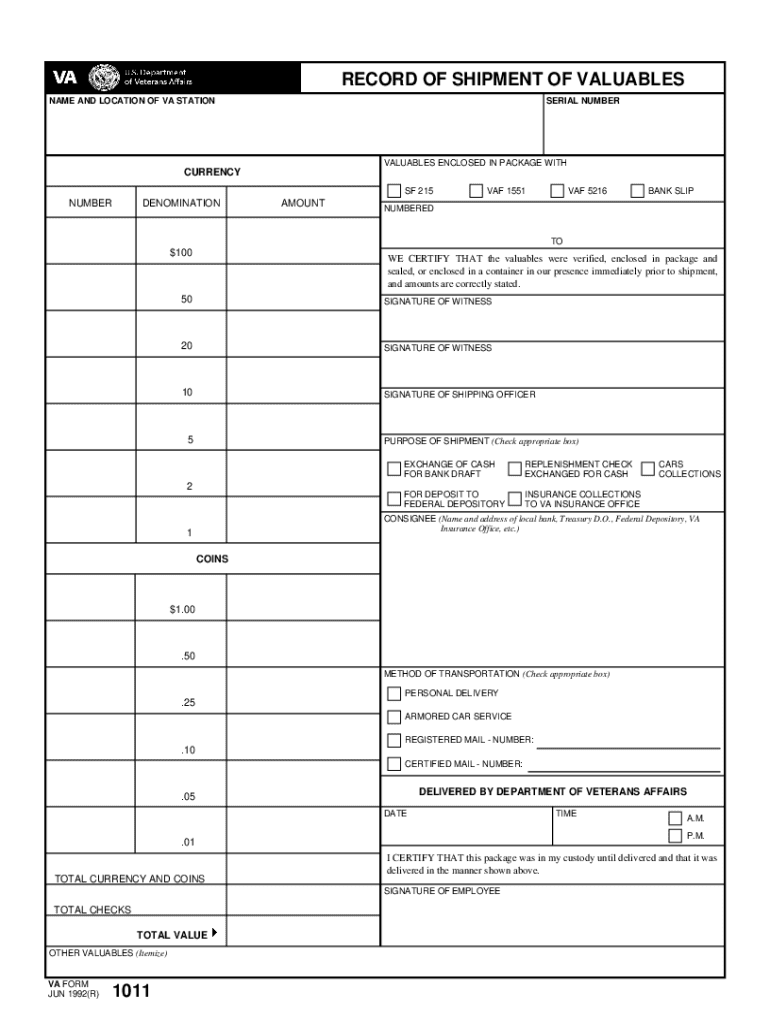
The "Shipment Record of Valuables" is a crucial document used to record the details involved in the transport of valuables, including currency and other significant items. It serves as an official record that includes information about verification, packaging details, and ensures that the items are transported securely. This document plays an essential role in logistics, providing a trustworthy way to track and manage valuable shipments.
Core Functions
- Verification: Ensures that items listed for shipment are accurately accounted for.
- Packaging Details: Describes how the items are secured for transport.
- Transport Method: Indicates the means by which the shipment will be carried out.
Importance
Maintaining a shipment record assists in reducing discrepancies during the transportation of valuables and provides a legal basis for any claims or audits. This document is particularly significant in industries that frequently deal with high-value items, such as banking and precious goods trading.
Key Elements of the Shipment Record of Valuables
The document features several vital components integral to ensuring the secure and verified transport of items. Understanding these elements is crucial for maximizing the document’s utility.
Essential Components
- Serial Number: Each form is uniquely numbered to prevent confusion and maintain a clear record.
- Amounts and Denominations: Specific details regarding the quantities and types of items being shipped.
- Purpose of Shipment: Provides context, ensuring all parties understand the shipment's intent.
- Consignee Details: Information about the party receiving the shipment, crucial for delivery tracking.
Certification and Verification
- Witness Signatures: These are required to verify the item’s custody chain.
- Shipping Officer’s Signatures: Certify that the items were checked and approved for transportation.
How to Use the Shipment Record of Valuables
Understanding how to correctly utilize the shipment record can eliminate errors and facilitate smoother processes. Here is a general guide to navigate its use efficiently.
General Usage Steps
- Preparation: Gather all necessary information about the items being shipped.
- Completion: Fill out all required fields, including item details, recipient information, and purpose.
- Verification: Ensure all entries are double-checked by a responsible officer.
Steps for Finalization
- Signatures: Obtain all required endorsements from officers and witnesses.
- Filing: Ensure each completed record is properly stored for future reference.
Steps to Complete the Shipment Record of Valuables
Filling out the shipment record accurately is integral to its validity. Each step should be carefully executed to prevent logistical issues.
Step-by-Step Process
- Identify Valuables: List all items, including their details and valuations.
- Detail Recipient Information: Input the consignee’s name, address, and contact information.
- Describe Transportation Methods: Note how the items will be transported, ensuring fit with the security requirements.
- Review and Sign: All involved parties must verify and approve the form entries with their signatures.
Who Typically Uses the Shipment Record of Valuables
Various professionals and organizations rely on these records to manage their value transfers. Understanding its users aids in contextual application.


Common Users
- Financial Institutions: Often ship large amounts of currency or valuables.
- Valuable Goods Dealers: Jewelry or art dealers who require formal documentation for transport.
- Logistics Companies: Handle the physical movement of goods, ensuring compliance with recording protocols.

Legal Use of the Shipment Record of Valuables
The document is not only a logistical tool but also holds legal weight. Knowing its legal context enhances the accountability of shipping valuables.
Legal Considerations
- Chain of Custody: The document provides a legally recognized trail of item handling.
- Dispute Resolution: Serves as evidence in legal situations where the shipment’s status is contested.
- Compliance Requirements: Adheres to industry standards which often have specific legal mandates.
Digital vs. Paper Version
Deciding between digital and paper versions of the shipment record can impact workflow efficiency and record-keeping strategies.
Comparative Overview
- Digital Versions: Offer easy distribution and storage capabilities, often featuring e-signature capabilities.
- Paper Versions: Preferred in environments where physical documentation is mandated for inspection.
Examples of Using the Shipment Record of Valuables
Practical scenarios help highlight the form’s application across various sectors and underscore its significance.
Use Cases
- Banking Sector: Utilized to document inter-branch currency transfers.
- Art Galleries: Used when transporting high-value artwork across locations for exhibitions.
- Courier Services: Implements this for special handling of valuable packages requiring explicit records.
By thoroughly understanding these sections, individuals and businesses can appropriately leverage a shipment record for valuables, streamlining their valuable goods transportation process while ensuring compliance and accountability.