







Definition & Meaning
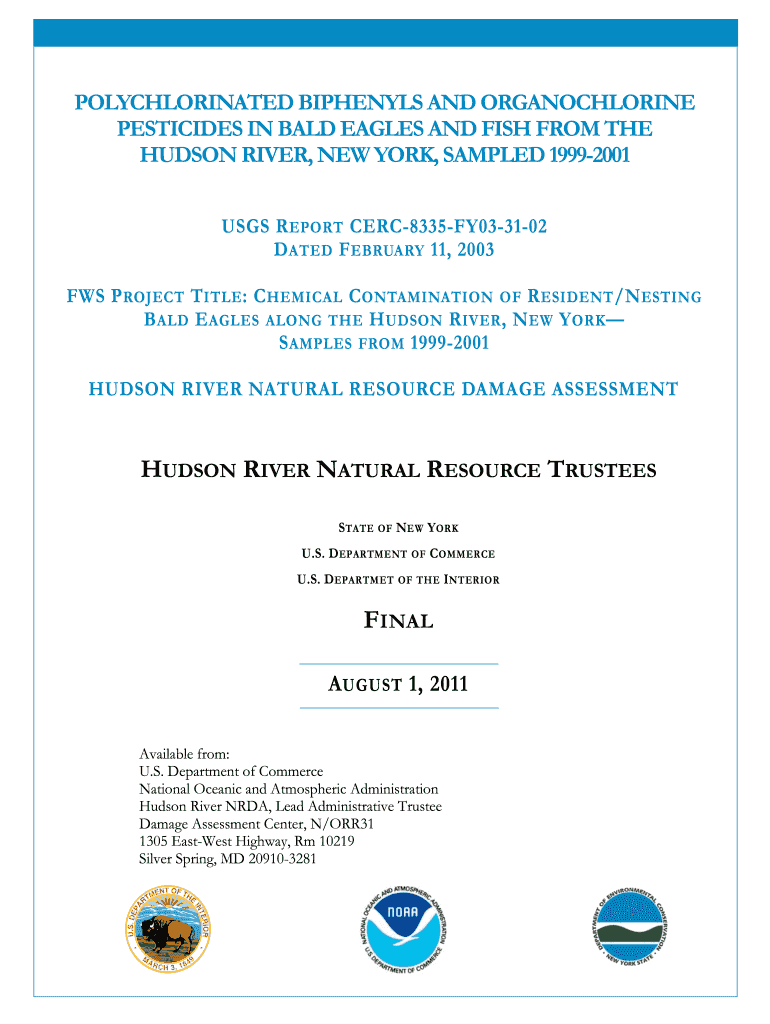
The "Fact Sheet: Hudson River Bald Eagle Update - NYS Dept of" serves as a detailed informational guide. This fact sheet primarily addresses concerns about the impact of chemical contamination on the bald eagle population in the Hudson River area. Released by a department of New York State, the fact sheet compiles and analyzes significant data about the levels of polychlorinated biphenyls (PCBs) and organochlorine pesticides in bald eagles and local fish. The document is a part of a broader natural resource damage assessment that seeks to evaluate and manage the environmental health of the region. It is a valuable resource for understanding environmental protection measures, species conservation efforts, and ecological risks.
Key Elements of the Fact Sheet
The fact sheet comprises critical components essential for a comprehensive understanding of the topic. It includes:
-
Contaminant Analysis: Detailed findings on the contamination levels of PCBs and pesticides in bald eagle eggs and nestlings. High concentration levels, such as up to 128,000 ng/g, are highlighted to emphasize the gravity of the issue.
-
Research Data: Insights from samples collected between 1999 and 2001 are presented. These data form the backbone of the analysis carried out by the Hudson River Natural Resource Trustees.
-
Impact Evaluation: Assessment of the chemical contamination's impact on local wildlife, particularly focusing on bald eagles and their habitat along the Hudson River.
How to Use the Fact Sheet
To effectively utilize the "Fact Sheet: Hudson River Bald Eagle Update - NYS Dept of," follow these steps:
-
Identify Relevant Sections: Start by identifying which sections of the fact sheet are relevant to your research or interest.
-
Analyze Data: Closely analyze the data provided on PCB and pesticide contamination levels and compare these findings with other environmental studies.
-
Use as a Reference: Apply the insights gained as a reference point in ecological research, policy-making, or conservation programs.
-
Disseminate Information: Share the critical findings with stakeholders in environmental studies, including policymakers, educational institutions, and conservation bodies.
Why You Should Use the Fact Sheet
This fact sheet is an indispensable tool for anyone interested in understanding the environmental impacts of chemical pollutants in the Hudson River region. It offers:
-
Expert Analysis: Provides scientifically backed information that contributes to environmental research and decision-making.
-
Conservation Insights: Supports entities in creating effective species conservation strategies focusing on the bald eagle.
-
Community Awareness: Raises public awareness about ecological health and the need for sustainable environmental practices.
Important Terms Related to the Fact Sheet
Understanding the terminology used in the fact sheet is crucial for proper interpretation:
-
Polychlorinated Biphenyls (PCBs): A group of man-made chemicals that are known for their environmental persistence and potential harmful effects on wildlife and humans.
-
Organochlorine Pesticides: Chemical compounds used historically for pest control, now largely banned or restricted due to their adverse environmental impact.
-
Natural Resource Damage Assessment (NRDA): A legal process to evaluate the impact of contamination on natural resources and determine restoration measures.
Legal Use of the Fact Sheet
The fact sheet can be utilized legally for various purposes:
-
Environmental Litigation: Serve as evidence in legal cases involving environmental contamination claims.
-
Policy Formulation: Aid government bodies and NGOs in crafting policies aimed at reducing chemical pollutants in the environment.
-
Educational Resource: Provide authoritative content for educational programs on environmental science and conservation.
Examples of Using the Fact Sheet
Various entities can use the fact sheet effectively:
-
Researchers: Can employ the data for publishing studies on environmental contamination and species impact.
-
Conservation Groups: Utilize the findings to lobby for stricter pollution controls and conservation funding.
-
Educators: Integrate into curricula to teach students about environmental challenges and conservation methodologies.
State-Specific Rules for the Fact Sheet
The Hudson River Bald Eagle Update fact sheet is specifically relevant to the state of New York. State regulations and environmental protection laws can influence both interpretation and usage:
-
Regional Policies: Understand how New York environmental protection policies impact the findings and potential mitigation efforts.
-
Collaboration with Local Agencies: Engage with New York State agencies to further explore cooperative efforts in addressing the documented issues.
Digital vs. Paper Version
Both digital and paper versions of the fact sheet have their respective advantages:
-
Digital Version: Offers easy accessibility, shareability, and is suitable for interactive usage. It can be integrated into online databases and accessed remotely.
-
Paper Version: Ideal for use in locations without reliable digital access, and for archival purposes. Offers tactile engagement during meetings and presentations.
In conclusion, the "Fact Sheet: Hudson River Bald Eagle Update - NYS Dept of" provides a thorough analysis and is an essential tool for stakeholders interested in environmental assessment, policy-making, and conservation efforts regarding chemical contamination and wildlife in the Hudson River region.




