







Definition and Purpose of the Small Claims Court
The Small Claims Court is designed to offer a simplified and expedited legal process for individuals and businesses seeking to resolve disputes involving small amounts of money. It serves as an accessible venue for plaintiffs to present their case without the need for legal representation. Typical cases include disputes over unpaid loans, breach of contract, property damage, and landlord-tenant issues. The court's primary goal is to deliver justice efficiently and minimize the cost and complexity of litigation.
Typical Cases Handled
- Unpaid debts: Individuals or businesses might use Small Claims Court to collect outstanding payments.
- Property disputes: This includes issues over damage to property or lost personal items.
- Contract disagreements: Cases often involve the failure to honor agreements or service contracts.
Monetary Limits
Each state has a specific dollar limit for claims that can be filed in Small Claims Court, ranging from $2,500 to $25,000. These restrictions help delineate the types of cases suitable for this legal process.
How to Use the Small Claims Court
Using the Small Claims Court involves a series of steps designed to ensure both parties have the opportunity to present their arguments. The process is less formal than higher courts, yet specific procedures must still be followed.
Filing a Case
- Determine Jurisdiction: Confirm the court has authority over the location and subject of your dispute.
- Prepare Your Claim: Gather necessary documents such as contracts, invoices, and evidence supporting your case.
- Complete the Forms: Fill out the required court forms and pay the applicable filing fee.
- Serve the Defendant: Legally notify the defendant about the claim and court date.
Attending the Hearing
- Present Your Case: Arrive prepared to clearly articulate your claims and provide supporting evidence.
- Witnesses and Evidence: Bring any witnesses and relevant documentation to strengthen your position.
- Court Judgment: After hearing both sides, the judge will issue a decision which may include a monetary award.
Obtaining the Small Claims Court Forms
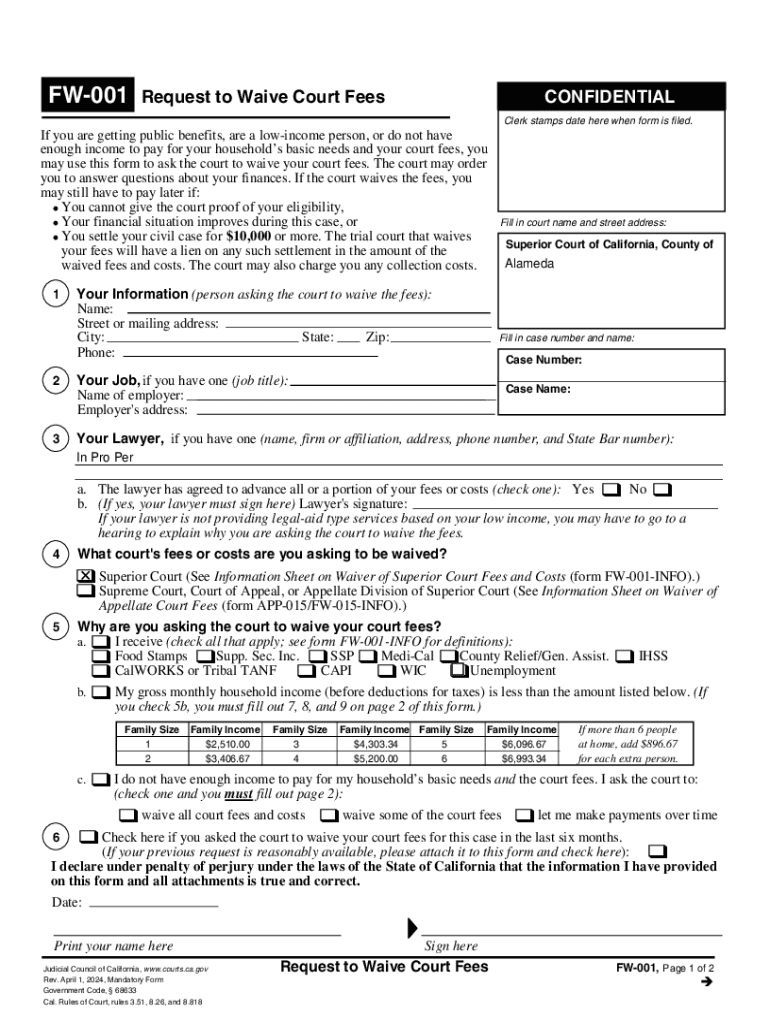
Small Claims Court forms are accessible through various channels, ensuring ease of use for potential litigants. These documents are essential to initiating the legal process.
Where to Get Forms
- Online Access: Most states offer downloadable forms through their judicial or government websites.
- Court Clerk’s Office: Forms can typically be obtained in person at the relevant courthouse.
Filling Out Forms
- Personal Information: Include correct details to avoid delays or dismissals.
- Claim Details: Clearly state the amount sought and the reason for the claim.
Steps to Complete the Small Claims Court Process
Completing the Small Claims Court process requires careful attention to detail and adherence to specific legal protocols.
Preparation Stage
- Gather Information: Compile any relevant documents and evidence.
- Understand Procedures: Each court may have slightly different procedures; familiarize yourself with local rules.
Court Appearance
- Present Your Evidence: Clearly present documentation and witness testimony to support your case.
- Follow Court Protocol: Adhere to instructions provided by court staff and the judge.
Post-Judgment Actions
- Payment Collection: If a judgment is awarded, you may need to take steps to collect the compensation from the defendant.
- Appeals: If dissatisfied with the outcome, investigate the possibility of an appeal, recognizing that appeals in Small Claims Courts can be limited.
Legal Use and Constraints
The Small Claims Court is governed by specific legal standards, ensuring cases are handled uniformly and justly across different jurisdictions.
Eligibility Criteria
To file a claim, certain criteria must be met, including residency requirements or business presence within the state's jurisdiction where the court is located.


State-Specific Rules
- Monetary Limits: These differ by state and dictate the maximum amount that can be claimed.
- Filing Fees: Costs associated with filing can vary significantly.
Example Scenarios in Small Claims Court Use
Understanding practical applications of the Small Claims Court can help litigants anticipate outcomes and tailor their approach accordingly.
Real-World Examples
- Breach of Service Contract: A plaintiff sues a contractor for incomplete work.
- Landlord-Tenant Dispute: A tenant seeks a deposit return after vacating a property.
- Personal Loan Collection: A lender pursues action against a borrower who defaulted.
Case Studies
These examples highlight the types of disputes that can be resolved efficiently, saving time and money compared to more formal legal proceedings.
Important Terms Related to Small Claims Court
Familiarity with key terminology enhances understanding and participation in Small Claims Court proceedings.
Key Terminology
- Plaintiff: The party who initiates the lawsuit.
- Defendant: The individual or entity being sued.
- Summons: A legal notice to appear in court.
Understanding these terms ensures clarity throughout the legal process, facilitating effective communication and action.
By focusing on these elements, anyone considering the use of the Small Claims Court can gain a thorough understanding of its practical applications and navigate the process with confidence and competence.




