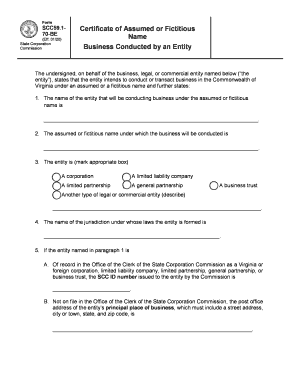
Backflow Prevention Assembly Test Report doc 2026

Get Form
Backflow Prevention Assembly Test Report doc Preview on Page 1

Here's how it works

01. Edit your form online
Type text, add images, blackout confidential details, add comments, highlights and more.

02. Sign it in a few clicks
Draw your signature, type it, upload its image, or use your mobile device as a signature pad.

03. Share your form with others
Send it via email, link, or fax. You can also download it, export it or print it out.

Understanding the Backflow Prevention Assembly Test Report

The Backflow Prevention Assembly Test Report is a detailed document utilized to record the results of tests performed on backflow prevention assemblies. These assemblies are crucial for ensuring that water systems maintain safety and compliance with health regulations. The report typically includes essential data about the water purveyor, assembly specifications, and contact details for management and owners. Additionally, it includes initial and final test results, highlighting any maintenance or repairs needed for compliance.

How to Use the Backflow Prevention Assembly Test Report

Utilizing the Backflow Prevention Assembly Test Report effectively involves understanding its components and correctly capturing test data. The report acts as a record for the testing, maintenance, and repairs of backflow assemblies to prevent contamination of drinking water. Users should ensure that all relevant fields are filled with accurate data, especially regarding test results and any corrective actions undertaken. An organized approach ensures clarity and assists in compliance audits or reviews.

Steps to Complete the Backflow Prevention Assembly Test Report

  1. Gather Required Data: Collect all necessary information about the water system, including assembly specifications and contact details.
  2. Conduct Initial Tests: Perform the necessary initial tests on the backflow prevention assemblies and document the results in the report.
  3. Document Repairs: If any repairs were required, document them thoroughly along with any parts replaced or maintained.
  4. Final Testing: After repairs, conduct a final test to verify the efficacy of corrections made, ensuring safety and compliance.
  5. Review and Submit: Carefully review the completed report for accuracy before submitting it to the relevant authorities or storing it for future reference.

Key Elements of the Backflow Prevention Assembly Test Report

  • Water Purveyor Information: Detailed information about the water purveyor responsible for the system.
  • Assembly Specifications: Technical details about the specific backflow prevention assemblies in use.
  • Testing Results: Both initial and final test results, clearly documenting the performance of the assemblies.
  • Contact Details: Management and owner contact information for accountability and follow-up.
  • Repair and Maintenance Records: Comprehensive records of any repairs or maintenance conducted during the testing process.

Legal Use of the Backflow Prevention Assembly Test Report

In the United States, the Backflow Prevention Assembly Test Report is used as an official record to demonstrate compliance with health and safety regulations regarding potable water systems. It serves as evidence that regular checks and maintenance have been conducted to prevent water contamination. Such documentation is essential for regulatory audits and may also be a legal requirement in many jurisdictions for property and business owners.

Who Typically Uses the Backflow Prevention Assembly Test Report

This report is primarily used by water system operators, property managers, and businesses responsible for maintaining compliant water systems. Testing professionals and maintenance personnel are also frequent users, as they conduct and document the tests. In addition, regulatory bodies may review these test reports to ensure compliance with local, state, and federal water safety regulations.


decoration image ratings of Dochub

State-Specific Rules for the Backflow Prevention Assembly Test Report

Rules regarding backflow prevention testing and reporting can vary significantly from state to state. Some states may have stringent testing intervals and specific reporting formats that must be followed. It’s vital for users to familiarize themselves with local regulations and ensure that their reports meet all state-specific criteria. Ensuring compliance helps avoid penalties and ensures ongoing certification for water systems.

Examples of Using the Backflow Prevention Assembly Test Report

  1. Commercial Properties: A commercial property manager uses the report annually to certify the safety of the building’s water supply.
  2. Municipal Systems: Local governments use these reports to verify that public water mains are protected from contamination.
  3. Audits and Inspections: During a health inspection, a restaurant presents the test report to prove compliance with water safety standards.

Important Terms Related to Backflow Prevention Assembly Test Report

  • Backflow: The undesirable reversal of water flow which can cause contamination.
  • Prevention Assemblies: Devices installed in water systems to prevent backflow.
  • Water Purveyor: Entity or individual responsible for providing water service.
  • Compliance: Adherence to health and safety standards to prevent water contamination.

Software Compatibility and Digital Reporting

Digital platforms like DocHub allow for efficient completion and sharing of the Backflow Prevention Assembly Test Report. These platforms support a variety of file formats, ensuring documents are easily accessed across different systems. Compatibility with cloud storage services like Google Drive, Dropbox, and OneDrive enhances document management and sharing among teams, ensuring all stakeholders can access the most up-to-date versions of reports.

By thoroughly understanding and implementing these processes, users can ensure that their Backflow Prevention Assembly Test Reports are comprehensive, accurate, and compliant with regulatory requirements.

be ready to get more

Complete this form in 5 minutes or less

Get form

Got questions?

We have answers to the most popular questions from our customers. If you can't find an answer to your question, please contact us.
Contact us
A backflow assembly usually has a check valve, which maintains the pressure needed to hold back wastewater. To pass an inspection, the valve must hold a minimum pressure. The inspector will also test the relief valves to ensure they open before the system docHubes a certain pressure differential.
Testable backflow devices are valves and air gaps fitted to a water supply with a low to high risk of cross contamination. Backflow devices are designed to keep our potable water supply safe and remove the risk of contamination.
Customers are responsible for installing backflow prevention devices. They must have testable backflow devices tested every year.
Backflow testing is a plumbing service that checks your backflow preventer device by assessing its pressure levels. When backflow is present, untreated or contaminated water can be back-siphoned into your clean water. For this reason, testing guarantees the water you use for drinking and showering is safe and sterile.
First, the number 2 shut off valve on the backflow is turned off. A test kit is placed on the device. The test kit uses the water left in the backflow. Once the test is complete, the kit is removed, and the water is turned back on slowly, which prevents pressure surges from occurring.

Security and compliance

At DocHub, your data security is our priority. We follow HIPAA, SOC2, GDPR, and other standards, so you can work on your documents with confidence.
Learn more
ccpa2
pci-dss
gdpr-compliance
hipaa
soc-compliance
be ready to get more

Complete this form in 5 minutes or less

Get form

People also ask

Medium and high risk properties must have a backflow prevention device installed. Importantly, these devices must be tested every year to ensure they work. If your property is deemed low risk, you may still require a device.
Backflow preventers are required by law in many states and must be tested annually to ensure they are working correctly. Understanding backflow preventers and annual testing requirements will help you prevent avoidable accidents and meet code requirements in your area.

Related links