
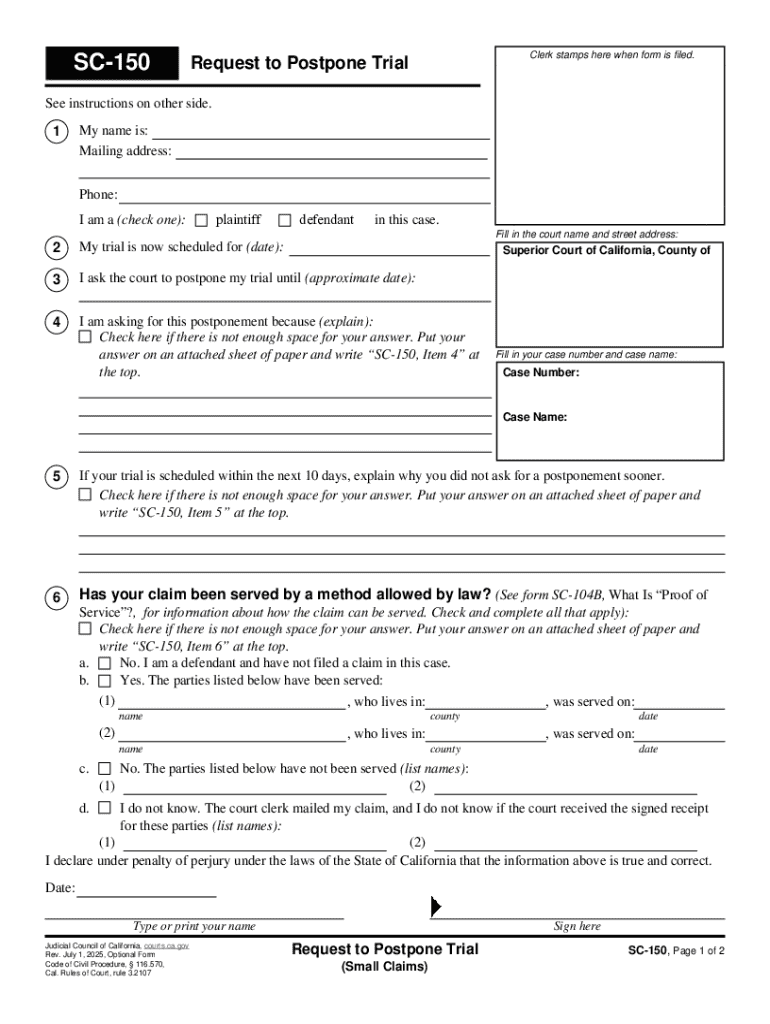







Definition and Purpose of Online Forms
Online forms are digital documents designed to collect information from users over the internet. These forms reduce reliance on paper-based processes and provide a streamlined way to gather data. Formats vary depending on purpose, ranging from registration and application forms to surveys and feedback forms. The process typically involves creating a form that users fill out with necessary information, which is then submitted and stored digitally for review or processing.
Steps to Completing an Online Form
Completing an online form involves several stages, each ensuring the form is filled out accurately and fully.
-
Identify the Required Form: Before beginning, confirm which form you need to fill out by reviewing any instructions or details provided by the form issuer.
-
Gather Necessary Information: Prepare any required documents or information before starting, such as identification numbers, addresses, or financial details relevant to the form.
-
Access the Form: Navigate to the form's URL or access point. This could involve logging into a particular service that hosts the form.
-
Fill Out Sections Carefully: Provide the requested information in each section. Pay attention to required fields, often marked with an asterisk, to ensure completeness and accuracy.
-
Review and Submit: Once all sections are filled, review your entries for typos or inaccuracies. Many forms include a final review page before submission.
-
Confirmation: Submit the form and await a confirmation message, which may include a reference number or an email. Keep this for your records.
Reasons to Use Online Forms
Online forms offer several advantages over their paper-based counterparts:
- Efficiency: They allow for swift completion and submission, avoiding the delays associated with mail or in-person delivery.
- Accessibility: Users can complete forms from any location with internet access, providing flexibility and convenience.
- Environmental Impact: Reducing paper waste contributes to environmental sustainability.
- Cost-Effective: Eliminating the need for paper, printing, and physical storage results in cost savings for organizations.
Typical Users of Online Forms
A wide range of individuals and entities use online forms in their daily operations:
- Individuals: For personal tasks such as job applications, event registrations, or service requests.
- Businesses: Use forms for HR tasks, client intake, order processing, and feedback collection.
- Educational Institutions: Employ forms for admissions, course feedback, and administrative functions.
- Government Entities: They provide services like license applications, tax submission, and permit requests through online forms.
Legal Context for Online Forms
Online forms can have legal implications, especially in formal settings such as contractual agreements or official applications. Electronic signatures on such forms are often legally binding, backed by laws like the Electronic Signatures in Global and National Commerce (ESIGN) Act. It is crucial for users to understand the legal obligations and rights associated with submitting online forms, particularly when it involves personal data or contractual commitments.
Key Elements of a Well-Designed Online Form
Effective online forms share several characteristics that enhance usability and functionality:
- Clear Instructions: Guidance on how to fill out the form, including examples where applicable.
- Logical Structure: Information is organized in a way that follows a logical sequence, preventing confusion.
- Mobile Compatibility: Forms are accessible and usable on mobile devices, crucial for user convenience.
- Security Measures: Data protection practices, such as encryption, to safeguard user information.
- Feedback Mechanisms: Allow users to report issues or request help, ensuring a smooth experience.
Software Compatibility for Online Forms
Online forms must integrate well with software commonly used by businesses and individuals. Compatibility ensures seamless operation and data handling. Whether for accounting purposes with QuickBooks or tax submissions using TurboTax, ensuring the form works with the required software is essential. This includes the ability to export data into various formats that these programs can read.
Examples and Case Studies of Online Form Usage
Real-world scenarios highlight how online forms effectively serve their intended purpose:
- Corporate Human Resources: Streamline the hiring process by using online application forms that automatically sort and analyze applicant data.
- Educational Portals: Schools reduce paperwork by employing digital enrollment forms, making it easier for parents and administrators.
- E-commerce Sites: Simplify purchasing through online order forms that gather buyer details efficiently and accelerate the fulfillment process.
Each of these scenarios illustrates the adaptability and efficiency of online forms in meeting diverse organizational needs.




