






Definition & Meaning of Delaware Justice of the Peace Court Civil Appeals
Delaware Justice of the Peace Court Civil Appeals involves the process of contesting a decision made by the Justice of the Peace Court in Delaware's civil cases. These appeals are typically seen as a legal avenue for parties to seek a review of the court's original ruling. Understanding this term is crucial for those involved in civil disputes within the justice system of Delaware, as it outlines the legal recourse available to them if they wish to challenge a court's decision.
On a broader scale, an appeal is a formal request to a higher court, asking to reevaluate and change the result of a court's decision. Within Delaware, these appeals signify a pivotal element in ensuring fair justice, allowing individuals another opportunity to present their case under scrutinized legal examination.
How to Use the Delaware Justice of the Peace Court Civil Appeals
When considering using the Delaware Justice of the Peace Court Civil Appeals process, individuals must first determine if their case qualifies for an appeal. Not every decision can be appealed, so understanding the specific rulings eligible for review is key. To utilize this process effectively, individuals should:
- Review the Court Decision: Ensure the outcome of the case falls under the appealable decisions.
- Consult the Court's Procedures: Familiarize yourself with procedural rules and specific timelines governing the filing of appeals.
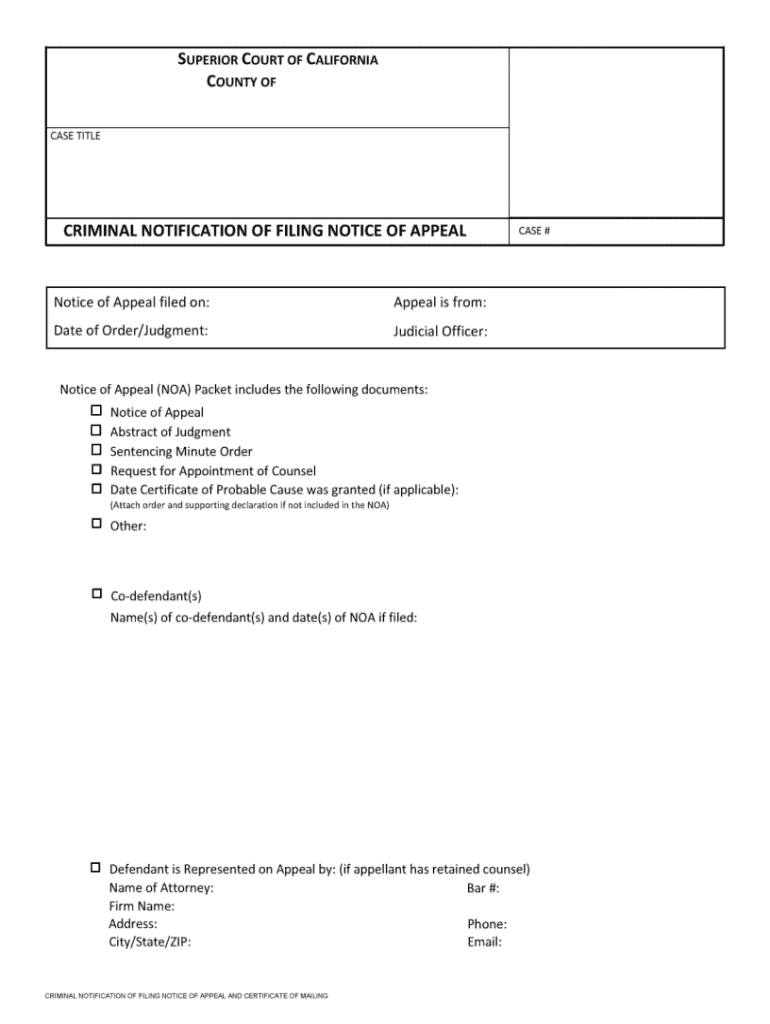
- Draft the Appeal Notice: Submit a notice of appeal to the appropriate court within the allowable time frame, ensuring all relevant documents are included.
These steps are critical to ensuring the appeal is valid and can proceed through the legal system.
Steps to Complete the Delaware Justice of the Peace Court Civil Appeals
Filing an appeal in the Delaware Justice of the Peace Court involves several procedural steps, each of which must be followed to ensure the appeal is processed correctly:
- File a Notice of Appeal: Within the specific period (often 15 to 30 days after the ruling), file a notice of appeal with the court.
- Prepare Required Documentation: Gather all necessary documents that support the basis of your appeal and ensure they are well-organized.
- Submit the Appeal Brief: Provide a written argument detailing the grounds for the appeal, clearly articulating errors in the original trial that justify a new review.
- Attend Hearings, if Necessary: Be prepared to present oral arguments or respond to additional questions if the appeals court schedules a hearing.
Proactively engaging with each of these steps can enhance the likelihood of a successful appeal.
Important Terms Related to Delaware Justice of the Peace Court Civil Appeals
Understanding the legal terminology related to the Delaware Justice of the Peace Court Civil Appeals can aid in navigating the process. Some important terms include:
- Appeal: A request to a higher court for the review of a lower court's decision.
- Appellant: The party who files an appeal, seeking reversal or modification of the court's decision.
- Respondent/Appellee: The party opposing the appeal and seeking to uphold the original decision.
- Brief: A written statement submitted in an appeal, containing arguments, relevant facts, and citations of legal authorities.
A solid grasp of these terms contributes to a clearer understanding and communication during the appeals process.
Legal Use of the Delaware Justice of the Peace Court Civil Appeals
The legal use of civil appeals within the Delaware Justice of the Peace Court framework is structured to ensure justice through a double-checking mechanism. This avenue is typically taken when a party believes that errors in the application of law or procedural issues might have led to an incorrect initial ruling. By filing an appeal, parties not only challenge the original verdict but aim to secure a reassessment based on perceived legal inaccuracies or oversights.
Decisions regarding appeals must be approached with careful consideration of the law and fairness principles, reflecting the broader goal of the legal justice system to provide remedy and address judicial errors constructively.
Key Elements of the Delaware Justice of the Peace Court Civil Appeals
Several key elements are central to understanding and executing the Delaware Justice of the Peace Court Civil Appeals:
- Grounds for Appeal: These are the legal reasons on which the appeal is based, such as judicial errors, misinterpretation of the law, or procedural mistakes.
- Jurisdiction: Understanding which higher court has jurisdiction over the case is essential for filing an appeal.
- Supporting Evidence: Compiling all necessary documentation and evidence to support the case in the appellate court.
- Filing Deadlines: Adhering to strict deadlines is crucial, as missing any can result in the dismissal of the appeal.
These elements collectively contribute to both the viability and strength of a civil appeal.
State-Specific Rules for the Delaware Justice of the Peace Court Civil Appeals
State-specific rules often dictate how appeals are filed and processed. In Delaware, these include specific filing deadlines and requirements for the submission of documentation:
- Time Limits: Parties typically have a set number of days from the decision date to file an appeal.
- Filing Fees: Fees must be paid when submitting an appeal, which can vary based on the case type.
- Documentation Requirements: Detailed documentation supporting the appeal must be compiled and submitted according to the court's guidelines.
Understanding these state-specific rules is crucial for ensuring compliance and avoiding procedural rejection of an appeal.
Examples of Using the Delaware Justice of the Peace Court Civil Appeals
Exploring real-world applications of the Delaware Justice of the Peace Court Civil Appeals illustrates the process's practical value. Consider a case where an individual loses a small claims court decision regarding a contract dispute. Believing there was an error in law interpretation by the initial judge, the appellant decides to appeal the decision for a reassessment.
Through this approach, parties can address perceived judicial errors. Another example might involve a landlord-tenant dispute, where a tenant appeals a decision, seeking to challenge the judgment on lease rent terms.
Such examples highlight the appeal process's role in providing an additional review layer, facilitating justice through a renewed legal analysis.