






Definition and Meaning of Required Residential Inspections
Required Residential Inspections refer to a series of assessments mandated by local building authorities to ensure that residential properties adhere to established safety and construction standards. These inspections are crucial during various stages of construction or renovation to verify compliance with regulations and codes. The primary objective is to guarantee the structural integrity and safety of the building, ensuring that all work meets current building codes. These inspections can cover a range of areas including electrical systems, plumbing, HVAC systems, and overall structural soundness.
How to Use the Required Residential Inspections Form
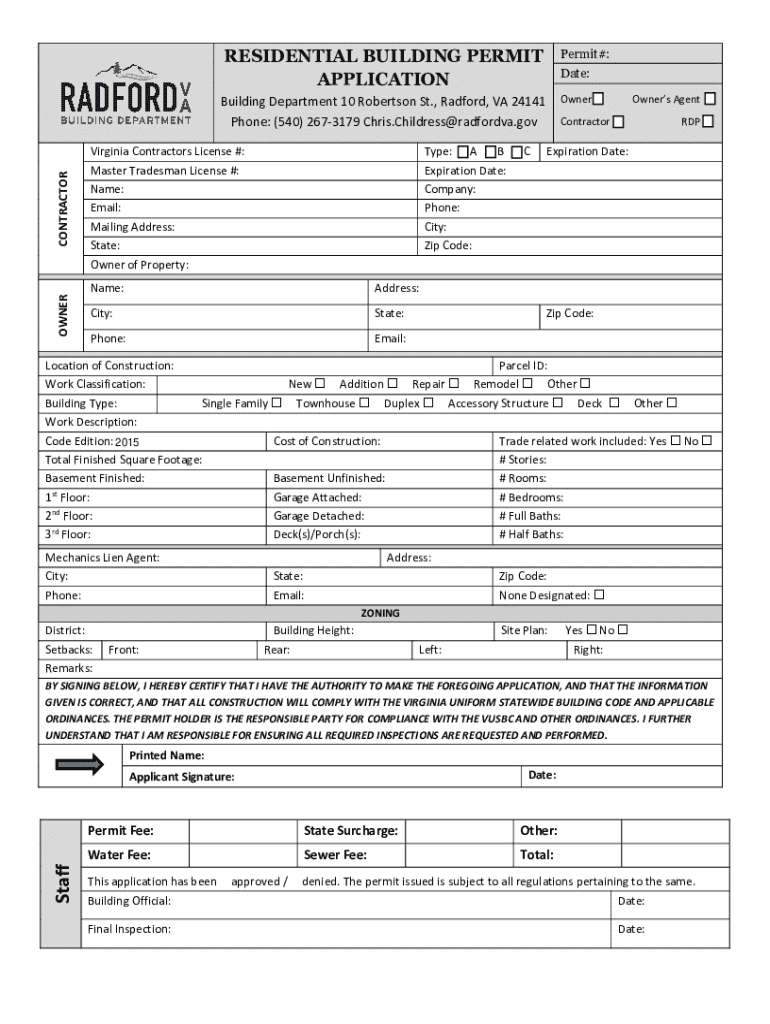
Using the Required Residential Inspections form involves several steps designed to document compliance with local building codes. First, property owners or contractors must accurately fill out the form with details about their project, such as the type of construction, location, and owner information. Next, the form should specify which inspections are being requested, aligned with the phases of construction—for instance, foundation, framing, or final inspection. Each inspection request should be clearly marked, and any relevant supporting documentation or blueprints may need to accompany the form to provide inspectors with adequate background on the project.
Obtaining the Required Residential Inspections Form
To obtain the Required Residential Inspections form, individuals should contact their local building authority or department. Many municipalities offer these forms on their official websites, allowing for direct download. Alternatively, physical copies may be available at a local building department office. It is crucial to ensure that the form obtained is the most up-to-date version, as regulations and application processes may differ over time. Ensure to review any specific submission instructions or additional documentation that might be required alongside the form.
Steps to Complete the Required Residential Inspections
-
Gather Information: Compile all relevant project information such as construction details, owner and contractor information, and project timelines.
-
Complete the Form: Fill out the form with this information, ensuring accuracy in all sections. Provide specifications on the types and timings of inspections needed.
-
Attach Documents: Include any necessary documents like building plans, permits, and previous inspection reports.
-
Submit the Form: Depending on your local authority’s preference, submit the form either online, via mail, or in-person at the building department.
-
Schedule Inspections: Once the form is processed, coordinate with the inspection office to schedule your inspections according to the project timeline.
Importance of Required Residential Inspections
Conducting Required Residential Inspections is vital to ensuring that residential buildings comply with safety standards and regulations. These inspections help prevent structural failures and hazards, thus ensuring the safety and welfare of occupants. They also enhance property value by certifying that the construction meets high standards and can aid in avoiding potential legal issues that could arise from non-compliance. Regular inspections throughout the construction process help identify problems early, ensuring they are corrected before they become significant issues.
Key Elements of the Required Residential Inspections
-
Inspection Types: Inspections may include, but are not limited to, foundation inspection, electrical systems, plumbing, mechanical systems, and final occupancy checks.
-
Compliance Verification: Each inspection confirms that the particular aspect of construction aligns with the applicable codes and standards.
-
Inspection Reports: After each inspection, the inspector provides a detailed report indicating pass/fail status and any required corrective actions.
-
Scheduling Inspections: Inspections must be scheduled at appropriate times during the construction process to ensure compliance at each phase.
Legal Use of Required Residential Inspections
These inspections serve a legal function by ensuring compliance with local building codes, which helps property owners and contractors avoid potential legal penalties. If a property fails to meet code requirements, the owner may be subject to fines, legal action, or required modifications to the structure. By adhering to inspection protocols, property owners not only fulfill legal requirements but also minimize liability risks and enhance safety for all residents and visitors.
State-Specific Rules for Required Residential Inspections
State-specific regulations can significantly influence the Required Residential Inspections process. Different states may have distinct building codes, inspection frequencies, and documentation requirements. It’s crucial for property owners and contractors to familiarize themselves with the specific rules applicable to their state to ensure full compliance. Engaging with local building authorities for state-specific guidelines and updates is recommended, as codes can frequently change based on new safety standards or building technologies.