




01. Edit your form online
Type text, add images, blackout confidential details, add comments, highlights and more.

Type text, add images, blackout confidential details, add comments, highlights and more.

Draw your signature, type it, upload its image, or use your mobile device as a signature pad.

Send it via email, link, or fax. You can also download it, export it or print it out.
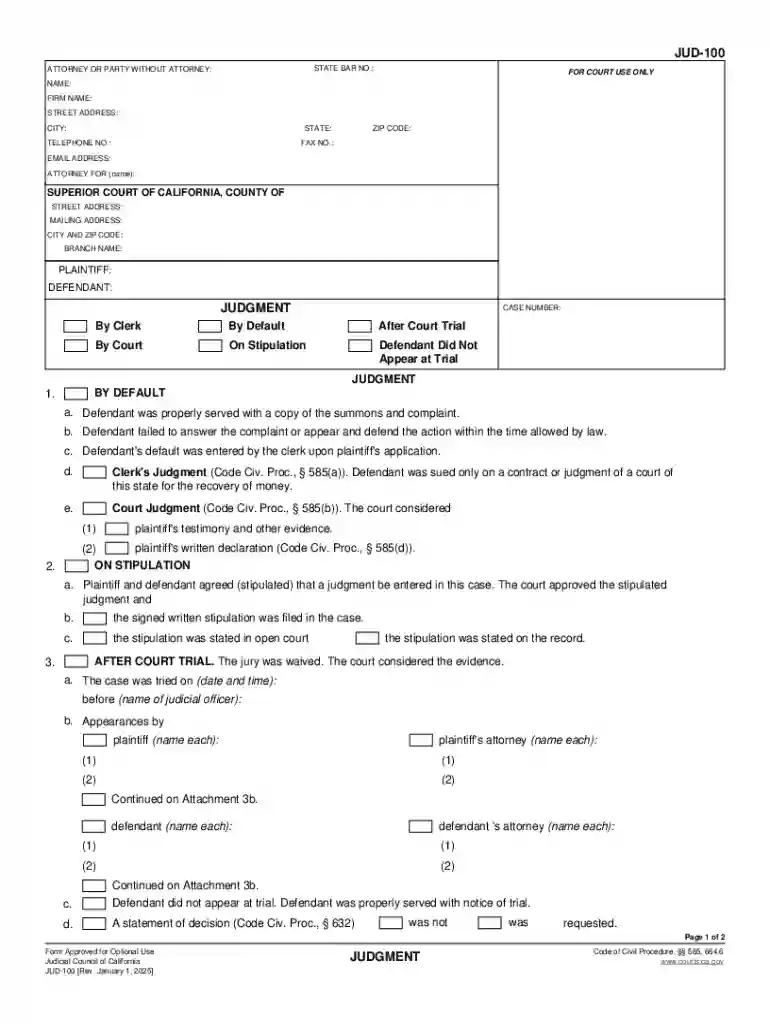
The phrase "defendant's default was entered by the clerk upon plaintiff's application" refers to a legal procedure in the civil litigation context. It occurs when a defendant fails to respond to a plaintiff's complaint within a specified time frame, leading the court clerk to officially note the defendant's failure to act. This entry of default signals that the defendant has not contested the allegations, which allows the plaintiff to potentially secure a favorable judgment without trial. The procedure aligns with the due process rules under U.S. civil law, ensuring that parties have an opportunity to be heard and that litigation can proceed without unnecessary delays.
When a defendant does not respond in the specified timeline, the plaintiff can file an application with the court, requesting the entry of default. The application typically includes:
The clerk will evaluate the application, confirming the details before entering the default. This process often leads to the plaintiff seeking a default judgment, which might include a court hearing to determine the damages or remedies sought.
Default entry is crucial in ensuring judicial efficiency and fairness. It prevents defendants from hindering legal processes through non-responsiveness and allows plaintiffs to seek enforcement of rights when due diligence in notification is proven. However, courts aim to balance this with opportunities for defendants to rectify defaults if legitimate circumstances like lack of notice or excusable neglect are demonstrated.
In the United States, default entry procedures can vary slightly by state. For example:
Primarily utilized by plaintiffs in civil suits where defendants are non-responsive. Legal practitioners frequently use this procedural tool to advance their client's interests efficiently when facing uncooperative defendants. It is also employed by self-represented litigants needing a mechanism to progress cases without adversaries' opposition.


We've got more versions of the Defendant's default was entered by the clerk upon plaintiff's application form. Select the right Defendant's default was entered by the clerk upon plaintiff's application version from the list and start editing it straight away!
At DocHub, your data security is our priority. We follow HIPAA, SOC2, GDPR, and other standards, so you can work on your documents with confidence.
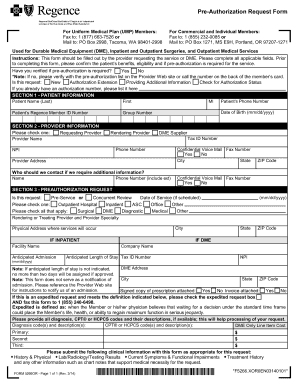
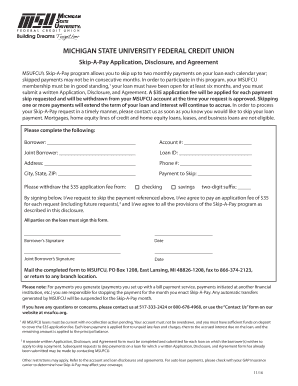


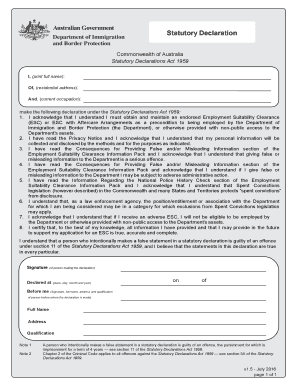

Former Rule 55(a) directed the clerk to enter a default when a party failed to plead or otherwise defend as provided by these rules.
A default ends the defendants chance to file a response. You must ask for a default within 10 days. Make sure the defendants name is exactly as you wrote it


