Definition and Meaning of the Complaint Form
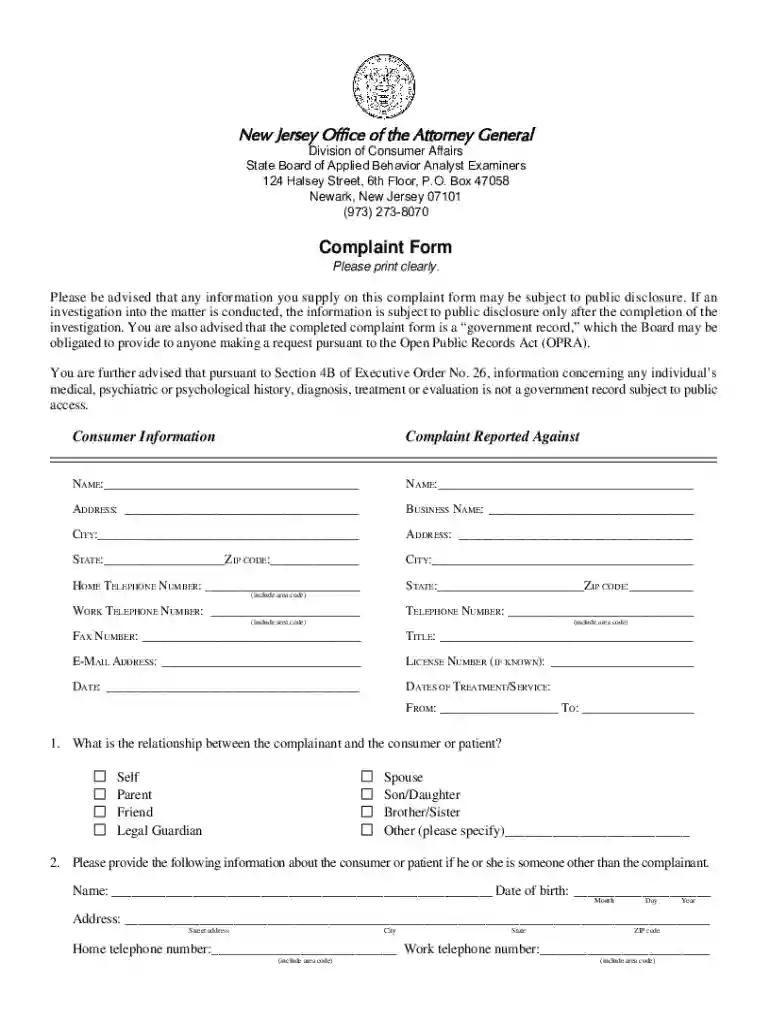
A Complaint Form is a tool used to document grievances or complaints against an organization, individual, or service. It serves as an official record that outlines the specifics of the issue, helping both the complainant and the recipient organization handle the grievance in a structured manner. This form provides essential information such as the nature of the complaint, parties involved, and the desired resolution. It is crucial in maintaining transparent and fair processes, ensuring that complaints are assessed and addressed appropriately.
Practical Implications
- Documentation: Acts as a formal record for future reference and accountability.
- Guidelines: Provides a standard method for lodging complaints, ensuring fairness.
- Visibility: Increases awareness for institutions about ongoing issues and areas for improvement.
Key Elements of the Complaint Form
Successfully completing a Complaint Form requires specific information to ensure all aspects of the complaint are recorded accurately. Key elements typically include:
- Personal Information: Name, contact information, and any other identification details of the complainant.
- Details of the Complaint: A clear and concise description of the incident or issue, including dates, locations, and any parties involved.
- Supporting Evidence: Any documentation or evidence supporting the complaint, such as emails, photos, or contracts.
- Desired Outcome: The resolution or action the complainant hopes to achieve.
Detailed Insights
- Contact Information: Allows for follow-up queries and status updates to the complainant.
- Accurate Incident Description: Helps organizations understand and prioritize the issue.
- Evidence Attachment: Strengthens the credibility of the complaint.
Steps to Complete the Complaint Form
Completing a Complaint Form involves several methodical steps, ensuring that the necessary information is correctly captured. Here are the typical stages:
- Gather Information: Collect all necessary personal details, facts about the incident, and any supporting documents.
- Fill Out Personal Details: Enter your personal information carefully to avoid any communication gaps.
- Describe the Incident: Clearly outline the complaint, focusing on facts and avoiding emotional language.
- Attach Evidence: If applicable, attach photocopies or electronic versions of supporting documents.
- Specify Desired Resolution: Clearly indicate what outcome you are seeking from the complaint process.
- Review and Submit: Double-check all entered information for accuracy and completeness before submission.
Best Practices
- Clarity and Brevity: Ensure that the description of the complaint is clear and free from jargon.
- Avoid Emotional Language: Stick to facts to maintain professionalism and clarity.
- Double-Check: Revisit entered data for any errors or omissions.
How to Obtain the Complaint Form
Acquiring a Complaint Form is generally straightforward, and availability depends on the issuing institution. Various means for obtaining the form include:
- Online Access: Many organizations provide digital versions that can be downloaded or filled out online.
- Physical Copies: Available at the relevant office or service location.
- Request via Email: Some institutions might send a copy upon request.
Access Channels
- Official Websites: Typically, most organizations host forms on their official portals for easy public access.
- Service Centers: In-person pick-up at relevant offices or customer service desks.
- Mail Requests: Forms can potentially be mailed upon request for those who lack internet access.
Legal Use of the Complaint Form
Complaint Forms serve as legally recognized documents that can be used in various formal proceedings:
- Official Complaints: Provide a basis for launching official investigations or actions.
- Service Improvements: Help organizations refine their processes under consumer protection laws.
- Litigation Evidence: Form entries can constitute evidence if legal actions follow.
Considerations
- Compliance: Ensure forms are used within the scope of organizational policies and applicable laws.
- Confidentiality: Information provided is often subject to privacy regulations and confidentiality agreements.
State-Specific Rules for the Complaint Form
Different states can have varying regulations governing the use and format of Complaint Forms. For instance:
- Filing Requirements: Some states may require specific information or formats that differ from others.
- Processing Procedures: Variability in how complaints are addressed or prioritized might exist.
Highlighted State Variances
- Regulatory Bodies: Different oversight agencies depending on region or complaint type.
- Submission Deadlines: Some states might impose deadlines for complaint submission.
Examples of Using the Complaint Form
Understanding real-world applications of Complaint Forms can provide valuable insight into their utility:
- Consumer Complaints: Lodging grievances against a business for unsatisfactory services or products.
- Employee Grievances: Reporting issues in the workplace like harassment or unsafe working conditions.
- Service Disputes: For instance, incorrect billing or service delivery discrepancies.
Scenario Analysis
- Consumer Protection: Forms assist consumers in seeking redress promptly and effectively.
- Workplace Improvement: Facilitates addressing internal company issues, contributing to a healthier work environment.
Important Terms Related to the Complaint Form
When engaging with a Complaint Form, understanding certain terms is beneficial:
- Complainant: The individual lodging the complaint.
- Respondent: The party against whom the complaint is made.
- Adjudication: The process of resolving the complaint.
- Redress: The desired solution or compensation sought.
Comprehending Terminology
- Precision: Understanding these terms aids in comprehending procedural nuances.
- Communication: Enhanced clarity when communicating the core issues at hand.
By exploring these blocks, one gains a comprehensive understanding of Complaint Forms, their key elements, and the processes involved, ensuring effective use in addressing grievances.