






Definition and Meaning of Residential Survey
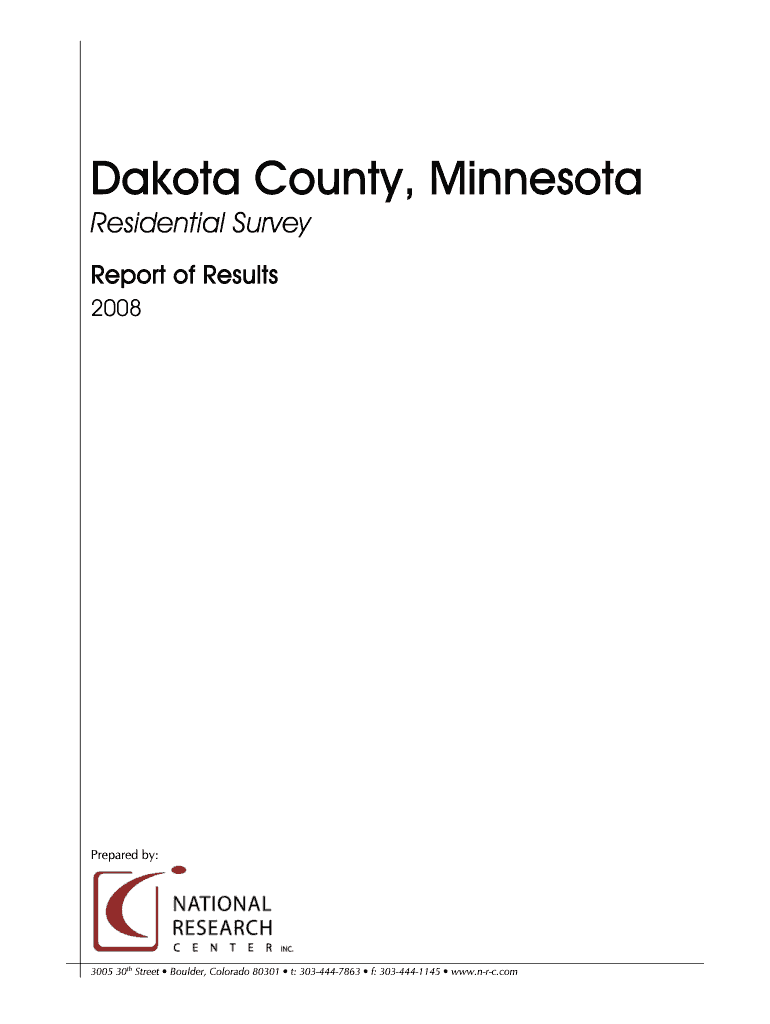
A Residential Survey is a systematic method used to collect data and opinions from residents concerning specific topics such as quality of life, government services, or community-related issues. These surveys can be conducted by municipalities, research organizations, or agencies aiming to gather insights into residential perspectives. Through surveys like these, communities can understand public sentiment and address areas in need of improvement.
Components of a Residential Survey
- Demographic Data: Basic information such as age, gender, and household size to contextualize responses.
- Perception Questions: Queries about residents' feelings towards community safety, healthcare, education, and infrastructure.
- Service Evaluation: Assessments of public amenities like parks, roads, and public transportation.
- Feedback: Open-ended questions allowing residents to voice unsolicited opinions or suggest improvements.
How to Use the Residential Survey
Utilizing a Residential Survey effectively involves several distinct steps to ensure comprehensive and actionable insights are gained.
Preparation and Distribution
- Design the Survey: Clearly define goals, ensuring questions are relevant and unbiased.
- Select the Audience: Identify the demographic or geographic area of focus. This often involves sampling methods to ensure representation.
- Choose the Distribution Method: Surveys can be distributed online, through mail, or conducted via phone or in-person interviews.
Gathering and Analyzing Data
- Data Collection: Use platforms such as DocHub to gather responses efficiently. The flexibility in handling documents supports various formats and real-time collaboration.
- Data Analysis: Employ statistical analysis software to process responses, identifying key trends and insights.
Reporting and Action
- Compile Results: Summarize findings in a comprehensive report, highlighting key areas of concern or satisfaction.
- Develop Action Plans: Based on survey findings, strategize actionable steps to address issues or enhance areas of strength.
Key Elements of the Residential Survey
A Residential Survey comprises several critical components that ensure detailed and relevant data collection.
Structured Questionnaires
- Closed-Ended Questions: Yes/No, multiple-choice, and Likert-scale questions offer quantitative data.
- Open-Ended Questions: Allow for qualitative insights and provide depth to residents' opinions.
Informative Sections
- Introduction: Clearly set out the purpose, importance, and instructions of the survey.
- Privacy Statement: Assurance that individual responses will remain confidential and used solely for research purposes.
Result Interpretation
Data collected needs to be accurately interpreted to derive meaningful insights.
Steps to Complete the Residential Survey
The completion of a Residential Survey involves a guided approach to ensure accuracy and reliability.
- Understand the Survey Purpose: Before beginning, familiarize yourself with the survey’s intent and what it aims to achieve within the community.
- Provide Accurate Information: Ensure all personal and demographic information is accurately filled to support reliable data analysis.
- Respond honestly: Offer genuine opinions and feedback to assist in forming a truthful representation of community sentiments.
- Complete All Sections: Ensure all mandatory questions are answered to avoid incomplete submissions, which can skew results.
- Submit by Deadline: Note the submission date to ensure your responses are counted in the analysis.
Common Pitfalls
- Skipping Questions: Can lead to data gaps.
- Providing Inaccurate Data: Misrepresents the collective residential voice.
Who Typically Uses the Residential Survey
Residential Surveys are primarily used by government bodies, community planners, and research institutions.


Typical Stakeholders
- Municipalities: Use insights for improving local governance and services.
- Researchers: Study community trends and demographics.
- Urban Planners: Plan city expansions or improvements based on resident feedback.
Benefits to Stakeholders
- Enhanced Decision Making: Data-driven approaches to policy and infrastructure development.
- Community Engagement: Surveys serve as a platform for resident interaction, fostering community involvement.
Legally Binding Use of the Residential Survey
The legal implications of using Residential Surveys should be carefully considered, particularly concerning data privacy and usage agreements.
Ensuring Compliance
- Data Protection: Implement SSL encryption and secure authentication protocols, akin to those used by platforms like DocHub, to protect sensitive information.
- Consent Forms: Gain explicit consent from participants, specifying how the data will be used and stored.
Legal Context
- Adherence to State Laws: Ensure compliance with state-specific data protection regulations, which vary across U.S. jurisdictions.
Example Scenarios for Using a Residential Survey
Practical examples illustrate how Residential Surveys can inform decision-making and community enhancements.
Community Improvement Initiatives
- Urban Development Plans: Use survey data to shape future city planning endeavors, focusing on areas identified as lacking amenities or services.
- Safety Enhancements: Address community concerns about local safety by evaluating and responding to resident perceptions.
Informing Policy Changes
- Education: Gather resident opinions on local education quality, driving improvements in schools or educational programs.
- Transportation Policy: Address public transportation issues by considering survey feedback on current system effectiveness.
State-Specific Rules for Residential Survey
Understanding state-specific regulations is essential when conducting Residential Surveys, ensuring compliance and relevancy.
Variations in Regulations
- Data Collection: Different states may have varying guidelines on how data can be collected and used.
- Consent Requirements: The necessity for explicit participant consent may differ, necessitating adjustments to how surveys are introduced and completed.
Tailoring Surveys
- Localized Questions: Adapt surveys to incorporate region-specific issues, ensuring respondents find the questions relevant to their experiences.