
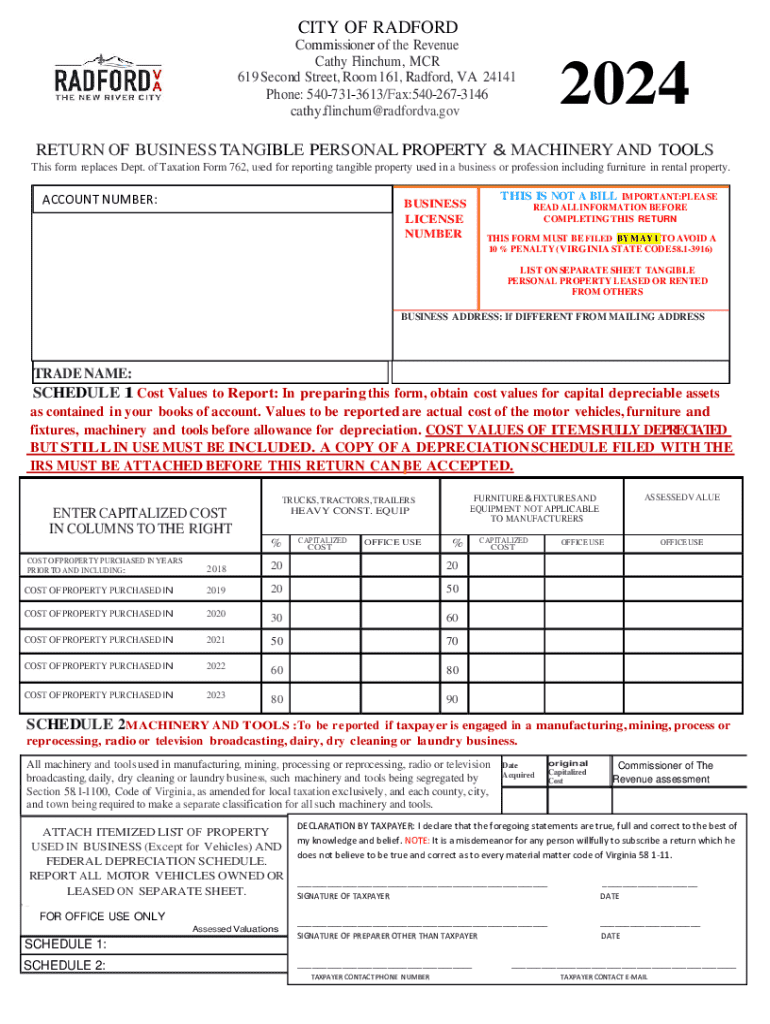







Definition & Meaning
The Certificate of Records Destruction Form #39981 is a critical document used to officially confirm the destruction of specific records within an organization. It acts as a formal record, ensuring that unneeded documents have been destroyed in accordance with legal and organizational policies. This form is essential for maintaining compliance with various regulatory requirements and supports the proper management of organizational records.
Purpose of the Form
- Legal compliance: Prove adherence to data protection laws.
- Audit trail: Maintain a document of what has been destroyed and when.
- Risk management: Reduce liability by ensuring outdated or unnecessary records are properly disposed.
- Resource optimization: Free up storage space and resources by eliminating redundant documents.
Steps to Complete the Certificate of Records Destruction Form #39981
To effectively complete this form, follow a systematic approach ensuring all required information is accurately documented.
-
Identify Records for Destruction: Begin by listing all records that need to be destroyed. This includes the name, type, and date range of the documents.
-
Authorization: Obtain approval from the relevant department or authority responsible for overseeing records management. This step ensures compliance with internal policies.
-
Complete Form Fields: Fill in the form with specific details of the records. Include:
- Record type and description
- Date of records creation and date of destruction
- Method of destruction
-
Certification: Sign and date the form, certifying that the information is accurate and the destruction process complies with legal standards.
-
Submit the Form: Return the completed form to the designated records management department or authority for final processing.
Common Mistakes to Avoid
- Omitting key details, such as dates or authorizing signatures.
- Failing to obtain proper approvals before destruction.
- Leaving fields incomplete that are crucial for compliance verification.
Why Use the Certificate of Records Destruction Form #39981
Utilizing this form is beneficial for multiple reasons:
- Compliance and Legal Security: Ensure adherence to state and federal guidelines on data protection and privacy.
- Documentation: Maintain a transparent and verifiable record of the destruction process, which can be crucial during audits or legal inquiries.
- Organizational Efficiency: Streamline records management and reduce clutter by regularly disposing of unnecessary records.
Key Elements of the Certificate of Records Destruction Form #39981
This form typically includes specific sections that need to be accurately filled out:
- Record Identifier: Details like record type and description.
- Destruction Method: Methods like shredding, incineration, or electronic destruction.
- Dates: Date of the record origin and destruction date.
- Authorization Signature: Signatory evidence of approval from a responsible officer.
Typical Record Types
- Financial documents
- Personnel files
- Customer data forms
- Outdated operational plans
Who Typically Uses the Certificate of Records Destruction Form #39981
This form is widely used across different sectors, with varying departments and individuals responsible for its completion:
- Records Managers: Professionals responsible for overseeing records and document handling.
- Compliance Officers: Individuals tasked with ensuring adherence to legal and procedural regulations.
- Department Heads: Individuals in charge of specific business units that generate and manage large volumes of documentation.
- HR Departments: Frequently handle sensitive employee records requiring periodic destruction.


Legal Use of the Certificate of Records Destruction Form #39981
The legal implications of using this form are significant:
- Proof of Compliance: Provides evidence during audits that records were destroyed in compliance with established policies.
- Protection Against Liability: Reduces potential liability relating to data misuse or unauthorized access.
- Regulatory Assurance: Confirms adherence to legislation such as the Data Protection Act and other relevant regulations.
Important Terms Related to Certificate of Records Destruction Form #39981
Understanding key terms is vital for accurately completing the form:
- Records Retention Schedule: A framework outlining how long different types of documents should be kept before destruction.
- Authorizing Officer: A person who has the authority to approve document destruction, ensuring compliance with legal standards.
- Destruction Method: The technique used to physically or digitally erase information permanently.
State-Specific Rules for the Certificate of Records Destruction Form #39981
While the basic structure of the destruction process is uniform, certain states may have specific requirements:
- Retention Duration: States may have specific guidelines on how long certain records types should be kept before they are eligible for destruction.
- Notification Requirements: Some regions might necessitate notifying specific state departments before destroying certain records.
- Specific Document Types: Laws may mandate retention or reporting of particular records, such as tax documents, for differing durations.
Examples of State Variations
- California: Stringent data protection laws require explicit permission for certain types of document destruction.
- Texas: Distinct retention schedules for government records.
Examples of Using the Certificate of Records Destruction Form #39981
Practical applications and scenarios demonstrating the use of this form include:
- Annual Record Purge: Organizations conduct a yearly review to destroy outdated records, using the form as a compliance tool.
- End-of-Year Financial Reports Disposal: After tax filings, non-essential financial documents are destroyed to protect sensitive data.
- Employee Records Review: HR departments systematically eliminate records of past employees that are no longer legally required to retain.
These scenarios illustrate the critical role of the form in maintaining organizational integrity and compliance.




