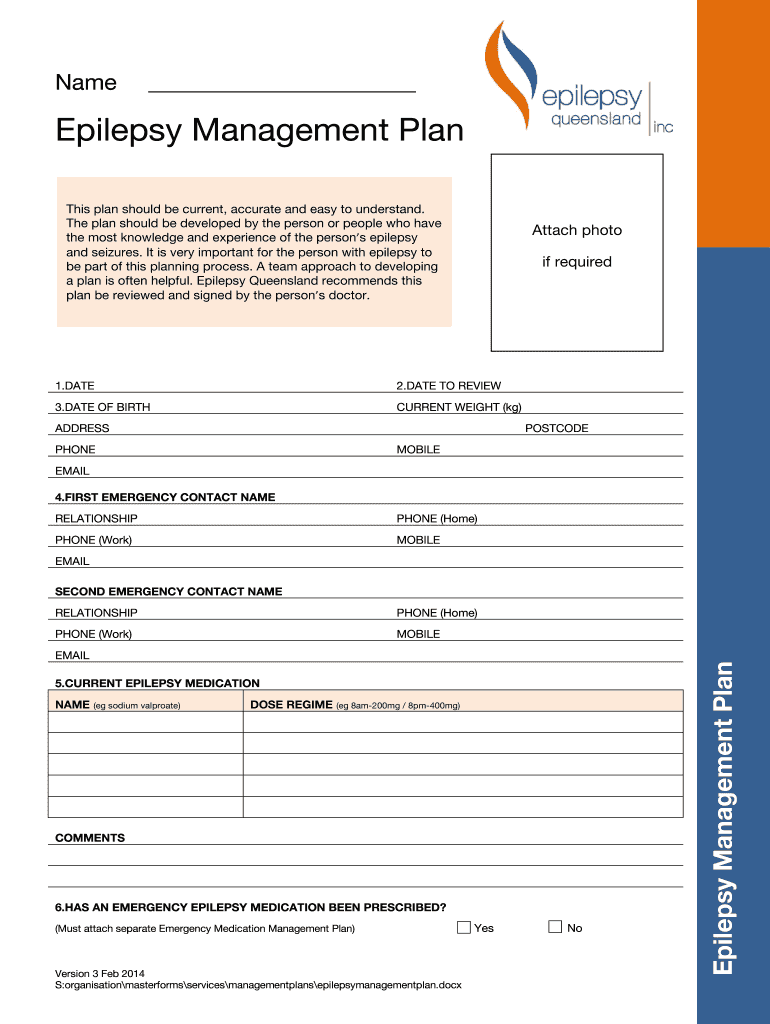







Definition and Purpose of the Epilepsy Management Plan - Epilepsy Queensland
An Epilepsy Management Plan provides a detailed framework to manage epilepsy effectively. It serves individuals with epilepsy, healthcare providers, and support networks by documenting crucial information such as personal details, emergency contacts, medication regimen, and first aid procedures. This plan is vital in reducing the risks associated with seizures and improving the quality of life for those affected.
Key Components of the Epilepsy Management Plan
Detailed information is included in the Epilepsy Management Plan to ensure comprehensive management. Key elements are:
- Personal Information: Essential details of the individual with epilepsy, including their name, address, and contact information.
- Emergency Contacts: Names and numbers of relatives or friends to be contacted during a seizure.
- Current Medications: A list of all prescribed and over-the-counter medications, dosages, and schedules.
- Seizure Descriptions and Triggers: Details about the types of seizures experienced and potential triggers.
- First Aid Procedures: Step-by-step guidance on how to assist during a seizure.
- Medical Endorsements: Signatures or endorsements from healthcare professionals endorsing the plan.
How to Complete the Epilepsy Management Plan - Epilepsy Queensland
Filling out the Epilepsy Management Plan involves several steps:
- Gather Personal Details: Collect and enter all relevant personal and contact information.
- Document Medical Information: Accurately list medications, seizure types, and identified triggers.
- Outline Emergency Procedures: Describe the first aid measures and ensure they align with medical advice.
- Consult Medical Professionals: Work with healthcare providers to review and endorse the final plan.
Who Uses the Epilepsy Management Plan
This plan is utilized by a range of individuals and groups:
- Individuals with Epilepsy: To manage their condition with a structured approach.
- Healthcare Providers: For clear communication and accurate tracking of a patient's treatment and response to medication.
- Caregivers and Family Members: To provide informed support and emergency assistance.
- Schools and Workplaces: Institutions where the individual regularly spends time to ensure safety and quick response in case of an incident.
Legal Considerations and Compliance
In the U.S., developing an Epilepsy Management Plan may intersect with various legal frameworks:
- Healthcare Laws: Plans must adhere to privacy laws like HIPAA, ensuring personal health information is protected.
- Educational Requirements: Schools may be required to accommodate students with epilepsy under acts like Americans with Disabilities Act (ADA).
- Workplace Safety: Employers may need to implement reasonable accommodations as per the Equal Employment Opportunity Commission (EEOC) guidelines.
Examples of Scenario Implementations
Real-world implementation scenarios illustrate the importance of the plan:
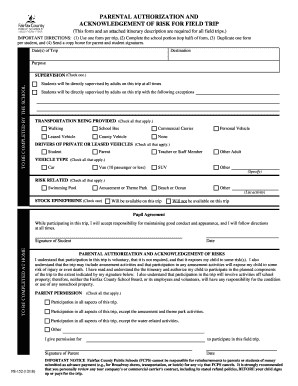
- School Setting: A student has an action plan in place, ensuring teachers and staff know seizure first aid and emergency procedures.
- Workplace Environment: An employee's plan includes adjustments such as adapted work schedules that accommodate potential seizure triggers.
- Family Gatherings: During social events, family members use the plan to recognize signs of a seizure and apply appropriate first aid measures quickly.
Benefits of the Epilepsy Management Plan
The plan offers numerous benefits:
- Increased Safety: Reduces the risk of seizure-related injuries.
- Empowerment: Allows individuals with epilepsy to take control of managing their condition.
- Informed Support: Educates friends, family, and coworkers on how to effectively assist during a seizure.
Obtaining the Epilepsy Management Plan - Epilepsy Queensland
Individuals can acquire the plan through:
- Healthcare Providers: Often available through doctors or neurologists specializing in epilepsy.
- Online Resources: Some organizations and health services provide downloadable templates to create personalized plans.
- Community Organizations: Local epilepsy foundations or support groups may offer resources and guidance to develop and maintain an effective plan.
Versions or Alternatives to the Epilepsy Management Plan
Different versions or alternative management strategies might be available:
- Digital Apps: Some prefer digital applications that track data and store personal information securely, offering ease of access and updating.
- Regional Variations: While the core elements are consistent, certain adaptations might be necessary to align with regional healthcare systems or legal requirements.
Eligibility Criteria and Requirements
Typically, the criteria for developing an Epilepsy Management Plan include:
- Diagnosis of Epilepsy: Formally diagnosed by a healthcare professional.
- Regular Medical Review: Involvement of a neurologist or epilepsy specialist to ensure the plan remains relevant as treatments evolve.
- Willingness to Engage: Active participation by the individual and their support network in maintaining the plan.
Following these guidelines, the Epilepsy Management Plan - Epilepsy Queensland can be a powerful tool in improving the daily lives and safety of individuals with epilepsy.