



Definition and Meaning
The Folstein Mini-Mental State Exam is a widely used cognitive assessment tool designed to evaluate a person's mental status across different domains. This exam helps healthcare professionals in assessing cognitive functions such as orientation, immediate recall, attention, calculation, language skills, and the ability to recall information. It is utilized to screen for cognitive impairment and to estimate the severity of cognitive decline.
Steps to Complete the Folstein Exam
-
Orientation: Assess the individual's orientation to time and place by asking questions like the current year or their location.
-
Immediate Recall: Instruct the individual to remember and repeat a list of three unrelated words, providing insight into short-term memory.
-
Attention and Calculation: Ask the person to perform simple arithmetic tasks, such as serially subtracting seven from 100, or spelling a word backward, to evaluate concentration and calculation abilities.
-
Recall: After about five minutes of distraction with other tasks, request the individual to recall the three unrelated words mentioned earlier.
-
Language Skills: Examine naming, repetition, comprehension, reading, writing, and drawing exercises to assess various language skills.
Key Elements of the Folstein Exam
-
Total Score: The exam is scored out of 30 points, with scores categorized as follows:
- Normal cognitive function: 24 to 30 points
- Mild cognitive impairment: 18 to 23 points
- Severe cognitive impairment: Below 17 points
-
Scoring Criteria: Each task is scored based on accuracy. The criteria ensure detailed insight into the level of cognitive function.
Who Typically Uses the Folstein Exam
-
Healthcare Providers: Primarily used by doctors, psychologists, and psychiatrists to identify cognitive disorders.
-
Geriatric Specialists: Often used in the elderly population to track changes over time and to assist in the diagnosis of dementia and other cognitive disorders.
-
Researchers: Utilized in clinical studies for participant assessment.

How to Obtain the Folstein Exam
-
Medical Facilities: Available in medical settings and administered by healthcare professionals.
-
Licensed Professionals: Specific training in cognitive assessment is often required to ensure accurate administration and interpretation.
Software Compatibility
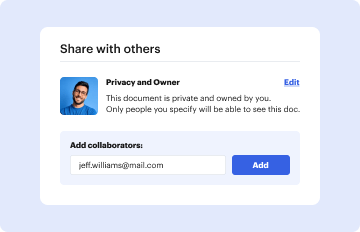
DocHub offers integration capabilities for handling and storing documents related to the Folstein Exam. Users can upload exam results directly, annotate them, or share securely with authorized individuals. This process ensures data security and facilitates smooth collaboration among caregivers and family members.
Legal Use of the Folstein Exam
The Folstein Exam is a reliable tool, used in compliance with clinical guidelines, to aid in the legal determination of cognitive function competency. It’s important in situations requiring legally binding decisions about the cognitive capacity of a person to manage personal affairs.
Versions and Alternatives to the Folstein Exam
While the Folstein Exam is a foundational tool, there are alternative tests available, such as the Montreal Cognitive Assessment (MoCA) and the Saint Louis University Mental Status (SLUMS) exam, which offer varied approaches to cognitive evaluation based on different criteria or patient needs.