Internship journal entries 2026

Get Form
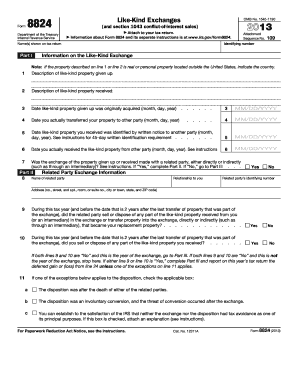
internship journal entries Preview on Page 1

Here's how it works

01. Edit your internship journal entries online
Type text, add images, blackout confidential details, add comments, highlights and more.

02. Sign it in a few clicks
Draw your signature, type it, upload its image, or use your mobile device as a signature pad.

03. Share your form with others
Send it via email, link, or fax. You can also download it, export it or print it out.

Definition and Meaning of Internship Journal Entries

Internship journal entries are structured templates used to document the experiences and reflections of interns throughout their internship period. These entries typically capture the tasks performed by the intern, skills developed, and insights gained. The format is designed to promote reflective thinking and self-assessment, encouraging students to relate their academic knowledge to practical work scenarios. Such documentation is often a requirement for educational programs that involve internships, serving both as a learning tool and a formal record of the intern's journey.

How to Use Internship Journal Entries

To effectively utilize internship journal entries, interns should maintain regular updates to ensure comprehensive and accurate documentation. Here’s how:

  1. Daily Logging: Encourage interns to jot down daily experiences and reflections, noting key tasks and any challenges faced.
  2. Weekly Summaries: At the end of each week, interns should summarize major developments, skills acquired, and learning outcomes.
  3. Mentor Feedback: Where possible, entries should include mentor comments or validation to verify the accuracy and efficacy of the journal.
  4. Analysis and Reflection: Interns should critically reflect on their performance and identify areas for improvement or further learning.

Steps to Complete the Internship Journal Entries

  1. Identify Key Sections: Start by outlining the primary areas of focus, such as objectives, tasks, skills, and reflections.
  2. Set a Regular Schedule: Dedicate time daily or weekly to maintain consistency in entries.
  3. Input Details Accurately: Record specific details like dates and tasks to maintain a chronological order in the journal.
  4. Gather Mentor Signatures: If mentor verification is required, ensure signatures are obtained promptly.

Who Typically Uses Internship Journal Entries

Internship journal entries are primarily used by students enrolled in academic programs that integrate internships as a part of their curriculum. These may include:

  • University Students: Pursuing degrees that require practical experience, such as business administration, engineering, or healthcare.
  • Vocational Trainees: Engaged in hands-on vocational training programs.
  • Professional Interns: In fields like law or medicine where internships are part of accreditation requirements.

Key Elements of the Internship Journal Entries

Internship journal entries feature several critical elements to ensure thorough documentation:

  • Date and Duration: To provide a timeline of activities.
  • Task Description: Details of duties performed or skills practiced.
  • Learning Outcomes: Insights and skills developed through the activities.
  • Challenges Faced: Identifying difficulties and proposed solutions.
  • Mentor Feedback and Signatures: Validation from supervisors or mentors.
  • Personal Reflection: Interns' thoughts on their progress and development.

Legal Use of the Internship Journal Entries

Internship journal entries are not legally binding documents but serve an essential role in academic and professional development. They support educational requirements and can provide:

  • Verification of Work Experience: For future employment or academic credit.
  • Performance Assessment: As part of an intern’s performance review and grading.
  • Compliance with Educational Standards: Ensuring adherence to curriculum requirements for practical engagement.

Examples of Using Internship Journal Entries

Several practical scenarios demonstrate the effective use of internship journal entries:

  • Academic Credit: Students in a marketing program might document their strategy development process for a campaign and feedback from their mentors.
  • Skill Assessment: Engineering interns can record technical challenges and their approach to problem-solving, which can be used to assess their learning curve.
  • Professional Reflection: Medical students might reflect on patient interactions and clinical skills learned in a hospital setting to prepare for career roles.

Who Issues the Internship Journal Entries

Typically, the format and requirements for internship journal entries are set by the educational institution or the internship provider. Academic departments may provide templates and guidelines to ensure standardization and compliance with educational objectives. In professional settings, this could be a form issued by a regulatory or accrediting body associated with the profession.

be ready to get more

Complete this form in 5 minutes or less

Get form

Got questions?

We have answers to the most popular questions from our customers. If you can't find an answer to your question, please contact us.
Contact us
How to write an internship cover letter: 7 tips an example Customize each cover letter. Structure the cover letters flow effectively. Include keywords and supporting details. Highlight coursework and extracurriculars. Share what youd like to accomplish. Professionally format the cover letter.
Make An Internship Journal - Heres How! The first item in your intern journal is a general explanation of any projects/tasks you have been assigned. You should also include a soul-searching bit. Include dates the projects, tasks or assignments were completed. Make note of the general category of the project or task.
Journal entry types: Opening (start of period), Transfer (move between accounts), Compound (multiple transactions), Closing (period end), Adjusting (end adjustments), Reversing (simplify next period).
The internship report is a document in English between 5-10 pages long (about 3000 words not including the appendix). It should detail the tasks and responsibilities undertaken during your internship, and what you have learnt about this sector during your time there.
When deciding which piece of writing you should submit, consider the following ideas: Follow the employers instruction. Consider relevant writing samples. Find relatable topics. Align your writing with the companys tone. Make sure it is up to date. Avoid sensitive subject matter.

Security and compliance

At DocHub, your data security is our priority. We follow HIPAA, SOC2, GDPR, and other standards, so you can work on your documents with confidence.

Learn more
ccpa2
pci-dss
gdpr-compliance
hipaa
soc-compliance

People also ask

How To Prepare An Internship Report? Prepare a title page. Write a table of contents. Include an acknowledgement section. Provide company background information. Give details of your work responsibilities during the internship. Discuss the skills you learned and the experiences you had.
Sample 2: Simple Format During the internship, [Interns Name] was responsible for [List of responsibilities]. [He/She/They] also acquired [List of accomplishments and skills learned] skills. [Interns Name] demonstrated [List of positive qualities] throughout the internship program.

Related links