




01. Edit your form online
Type text, add images, blackout confidential details, add comments, highlights and more.

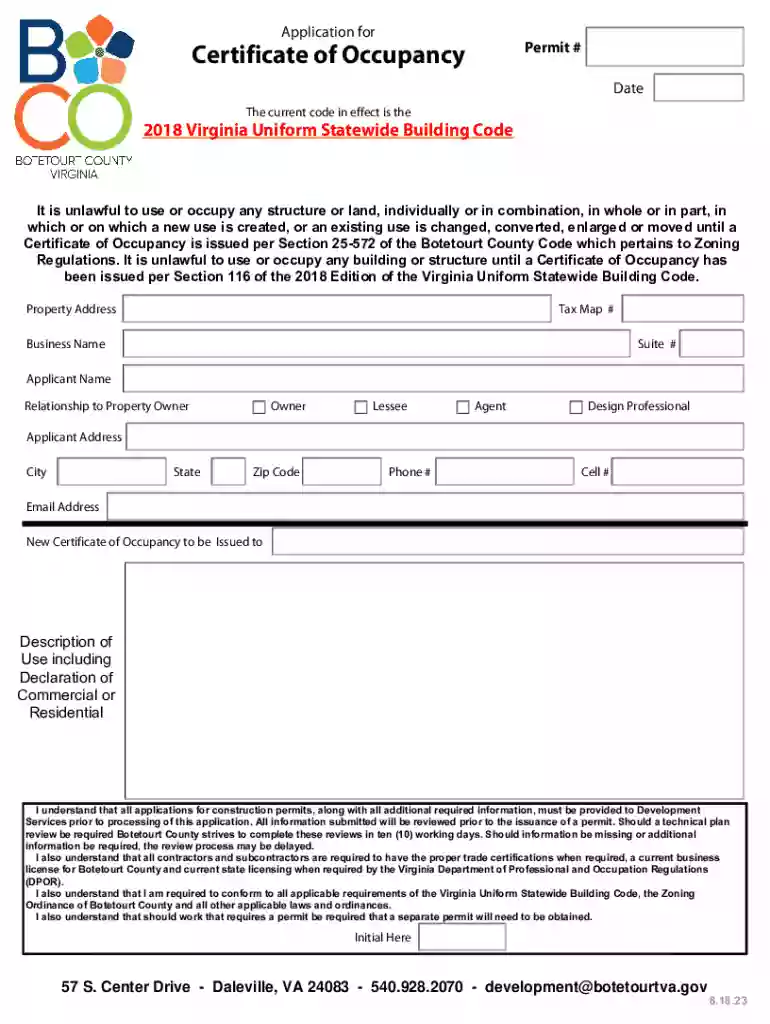
Type text, add images, blackout confidential details, add comments, highlights and more.

Draw your signature, type it, upload its image, or use your mobile device as a signature pad.

Send it via email, link, or fax. You can also download it, export it or print it out.
An Application for a Certificate of Occupancy is a critical document required by local government authorities to confirm that a building or structure complies with relevant building codes, zoning laws, and public health regulations before it is used or occupied. Typically, this application ensures that a structure is safe for occupancy and that its intended use aligns with zoning ordinances. The certificate itself serves as proof that the building or area is suitable for a specific type of occupancy or activity, such as residential, commercial, or industrial use. It is a crucial step in legalizing the use of a new building, an altered building, or a change in building use.
Filling out the application accurately is essential to ensure timely approval. Here’s a step-by-step guide:
Gather Required Information: Collect all necessary details about the property, including the address, property type, and intended use.
Obtain Necessary Plans: Have architectural plans, site plans, and certificates of zoning compliance ready.
Fill Out the Application Form: Complete all sections of the form, which typically includes information about the property owner, the contractor, and the intended use.
Submit Construction Permits: If applicable, ensure all relevant permits have been secured and are submitted alongside the application.
Ensure Compliance: Confirm that the building meets all current building codes and regulations.
Schedule Inspections: Arrange for necessary inspections to verify compliance with safety and code requirements.
Review and Submit: Double-check the application for accuracy and completeness before submission through the designated method, which may be online, by mail, or in person.
Obtaining a Certificate of Occupancy is legally necessary for:
Furthermore, this certificate helps prevent legal and financial ramifications associated with non-compliance.
The application is typically completed by:


The primary legal purpose of this application is to ensure that buildings are safe for occupancy. This involves:
Acquiring the application varies depending on local jurisdiction but generally involves:
Regulations can vary, affecting:
There are three primary ways to submit the application, each with its own process:
We've got more versions of the Application for Certificate of Occupancy form. Select the right Application for Certificate of Occupancy version from the list and start editing it straight away!
At DocHub, your data security is our priority. We follow HIPAA, SOC2, GDPR, and other standards, so you can work on your documents with confidence.


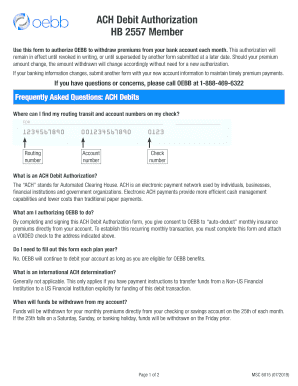

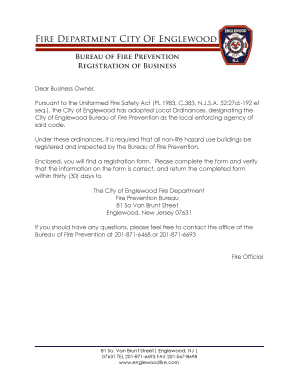

8 days ago Step 1 Confirm exactly what is pending Step 2 Complete the completion certificate and architect / engineer documents Step 3 Clear theRead more
For Application Submissions The owner or tenant must complete letter by and signed it in a notarys presence: Certificate of Occupancy Authorization Form.Read more
1. Login to Citizenserve via UCF Building Department Website. Select APPLY FOR CC, CO or TCO on the home screen of UCFs Citizenserve site.


