





Understanding the Self Certification Form
The self certification form is a document often utilized by individuals to affirm specific information about their status or qualifications. It serves to simplify the verification process in various contexts such as employment, tax compliance, and health-related certifications.
Purpose of the Self Certification Form
The primary purpose of the self certification form is to allow individuals to declare certain facts honestly without the need for additional documentation in every case. This can include confirming employment status, affirming income levels, or certifying personal health conditions. By using this form, entities streamline processes that require proof or validation of one's claims.
Common Types of Self Certification Forms
- Employment Verification: Confirming job status or income for lenders.
- Health Certifications: Used by individuals to self-certify health conditions, often for insurance or workplace requirements.
- Tax Purposes: Self certification forms can be utilized in various tax scenarios, such as confirming residency or income details.
Key Elements of the Self Certification Form
A self certification form generally contains several important sections.
- Personal Information: This includes the individual's name, address, and contact details.
- Declaration Statement: A clear statement outlining the information being certified.
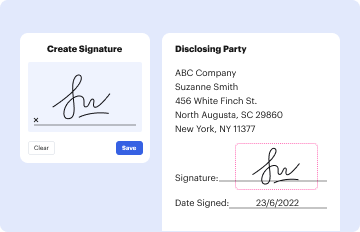
- Signature and Date: For authenticity, the individual must sign and date the form to affirm the validity of the claims made.
Steps to Complete a Self Certification Form
- Gather Necessary Information: Ensure all personal details and relevant data are ready before starting.
- Fill in Personal Information: Accurately complete the sections for name, address, and contact information.
- Provide Declarations: Clearly state the information you are certifying, ensuring it is truthful and accurate.
- Review the Form: Double-check all entries for accuracy and completeness.
- Sign and Date: Finally, sign and date the form to validate its contents.
Common Uses for Self Certification Forms
Self certification forms are frequently used across various sectors:
- Financial Institutions: Often require these forms for credit applications to verify income and employment status.
- Health Care Providers: Utilize these forms to confirm patient health conditions before providing treatments or medications.
- Educational Institutions: May ask for self certification to validate student status or residency for tuition purposes.
Examples of Self Certification Forms
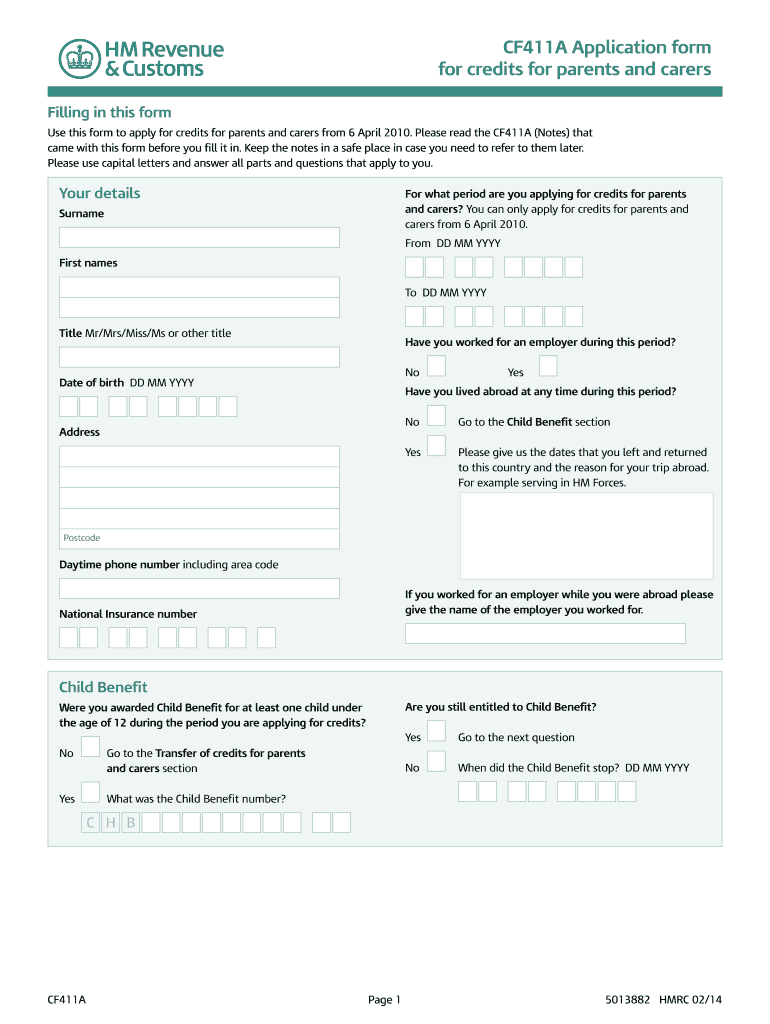
- The CF411A Form can serve as a template where parents or caregivers confirm benefits or child-related credits.
- Self certification forms are often found in employee onboarding processes, particularly when verifying qualifications or prior employment.
Eligibility and Requirements
To effectively use a self certification form, individuals typically must meet specific criteria depending on the form's purpose. Requirements may vary, but generally include:
- Being of legal age to make the declaration.
- Providing truthful and accurate information to avoid penalties.
- Understanding the implications of signing the form as a legally binding statement.
Digital vs. Paper Versions
Self certification forms are available in both digital and paper formats. Digital forms provide several benefits such as ease of submission and integration with other digital processes, while paper forms may be required in certain formal settings. Users should choose the format based on the requirements of the entity requesting the certification.
Summary of Compliance and Legal Implications
Filling out a self certification form is a serious commitment. Providing false information can result in legal consequences, including fines or imprisonment. Therefore, it is crucial to not only understand the form's requirements but also to approach it with integrity and a commitment to accuracy.