







Understanding the TP1 Form
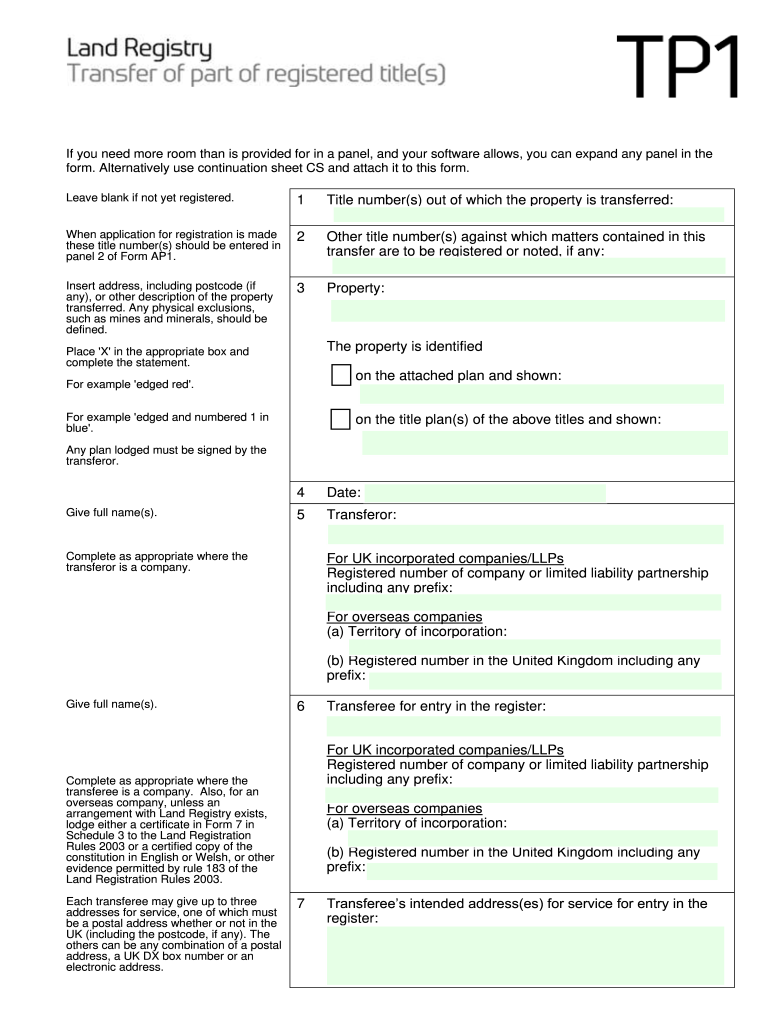
The TP1 form is an essential document used for the transfer of real estate in the United States. It typically includes key information about the property being transferred, such as the type of property, the names of the transferor (the person selling) and the transferee (the person buying), as well as pertinent details regarding the transaction itself. Understanding its components is crucial for a successful property transfer.
Key Components of the TP1 Form
-
Transferor and Transferee Information: This section captures the full legal names and addresses of both parties involved in the transaction. It is important to ensure that these details are accurate and match the public records to avoid any legal complications.
-
Property Description: This includes the address, parcel number, and any other identifying information necessary to locate the property in question. Clear and precise descriptions help in establishing the legal boundaries of the transfer.
-
Consideration: This refers to the sale price or value exchanged for the property. Including this information is vital for tax purposes and to ensure that both parties acknowledge the agreed-upon price.
-
Execution Requirements: This section outlines the necessary signatures required from both parties, typically including notarization, to authenticate the document legally.
Common Errors in Completing the TP1 Form
When filling out the TP1 form, several common mistakes can lead to issues later on:
-
Incomplete Information: Failing to fill out all required sections can result in delays or the rejection of the document. Each section must be reviewed for completeness before submission.
-
Incorrect Descriptions: Misrepresenting the property details can lead to legal disputes. It is crucial to double-check the property description against public records.
-
Signature Verification: Documents often require notarization to be legally binding. Ensure that the signatures are properly witnessed as per your state’s requirements.
Steps to Fill Out the TP1 Form
To complete the TP1 form accurately, follow these steps:
-
Gather Necessary Documents: Collect all essential documents related to the property, such as the deed, past tax records, and identification for both parties.
-
Fill in the Form:
- Start by entering the transferor’s details followed by the transferee’s.
- Describe the property fully, including any easements or encumbrances that may affect the transfer.
- Specify the consideration amount and ensure correct handling of decimal points and currency symbols.
-
Review the Form: Once the form is filled out, review it thoroughly to catch any errors or missing information.
-
Notarization: If required, take the form to a notary public for signatures. This step adds a layer of legal protection.
-
Submit the Form: Depending on state requirements, this could involve filing the form at a local government office or with a real estate professional.
Actual Examples of Filled TP1 Forms
To aid in understanding, the following scenarios depict hypothetical examples of completed TP1 forms:
-
Example 1: John Smith sells residential property located at 123 Main St, Anytown, to Jane Doe for $250,000. Both parties sign the form, and the document is notarized before submission.
-
Example 2: A property is inherited and transferred from a deceased owner to their heirs. The TP1 form details the property address, the relationship of the heirs, and the absence of any consideration since this is a transfer between family members.
Legal Considerations
When using the TP1 form, it is essential to be aware of the following legal aspects:
-
Compliance with State Laws: Each state may have specific laws governing property transfers, including how to complete the TP1 form. It is vital to consult state resources or a legal expert if uncertain.
-
Tax Implications: Transfers involving property can have tax implications, including capital gains taxes. Properly documenting the transaction through the TP1 form helps in reporting to the IRS.
Understanding the nuances of the TP1 form, including how to fill it out properly and the implications of doing so, ensures a smoother property transfer process while reducing the risk of future legal issues.




