Diverticulitis nhs diet sheet 2026

Get Form
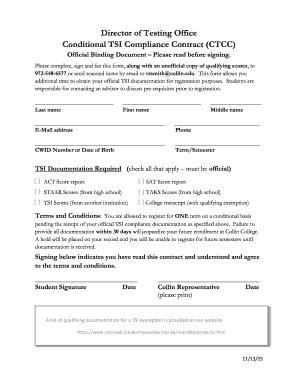
low irritant high fibre diet Preview on Page 1

Here's how it works

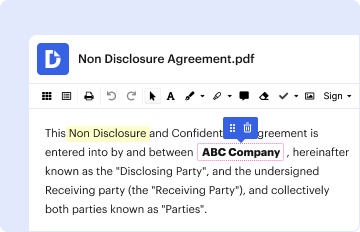
01. Edit your low irritant high fibre diet online
Type text, add images, blackout confidential details, add comments, highlights and more.
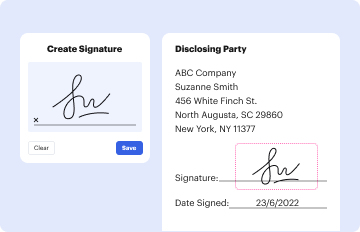
02. Sign it in a few clicks
Draw your signature, type it, upload its image, or use your mobile device as a signature pad.
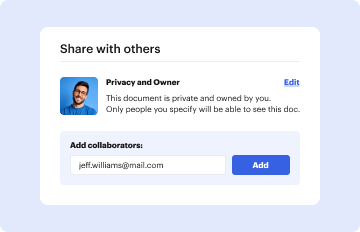
03. Share your form with others
Send diverticulitis nhs diet sheet via email, link, or fax. You can also download it, export it or print it out.

How to use or fill out diverticulitis nhs diet sheet with our platform

Form edit decoration
9.5
Ease of Setup
DocHub User Ratings on G2
9.0
Ease of Use
DocHub User Ratings on G2
  1. Click ‘Get Form’ to open the diverticulitis NHS diet sheet in the editor.
  2. Begin by reviewing the introduction section, which outlines the importance of dietary changes for managing diverticulitis. Familiarize yourself with the key components.
  3. In the 'Foods to Take' section, highlight or check off foods that you plan to include in your diet. This will help you visualize your meal options.
  4. Move on to the 'Foods to Try With Caution' section. Use our platform's comment feature to note any specific foods you want to introduce gradually or avoid based on your symptoms.
  5. Refer to the example meal plan provided. You can modify it directly in the editor by adding or substituting items according to your preferences and dietary needs.
  6. Finally, save your completed diet sheet for easy access and reference as you implement these dietary changes.

Start using our platform today for free and take control of your diverticulitis management!

be ready to get more

Complete this form in 5 minutes or less

Get form

Got questions?

We have answers to the most popular questions from our customers. If you can't find an answer to your question, please contact us.
Contact us
Things you can do to help with diverticular disease and diverticulitis eat a healthy, balanced diet including whole grains, fruits and vegetables there are no specific foods you need to avoid. slowly increase how much fibre you eat if you do not eat much fibre and make sure to also drink plenty of water.
Diverticulosis: What to Eat Whole grains, such as quinoa, bulgur, teff, barley, popcorn, oats, shredded wheat or bran cereals, and whole grain breads. Beans and legumes, including black beans, kidney beans, chickpeas and lentils. Vegetables such as greens (collard, kale, spinach), broccoli, cauliflower and carrots.
be ready to get more

Complete this form in 5 minutes or less

Get form