






Definition and Meaning of the Bloodborne Pathogens Safety Program
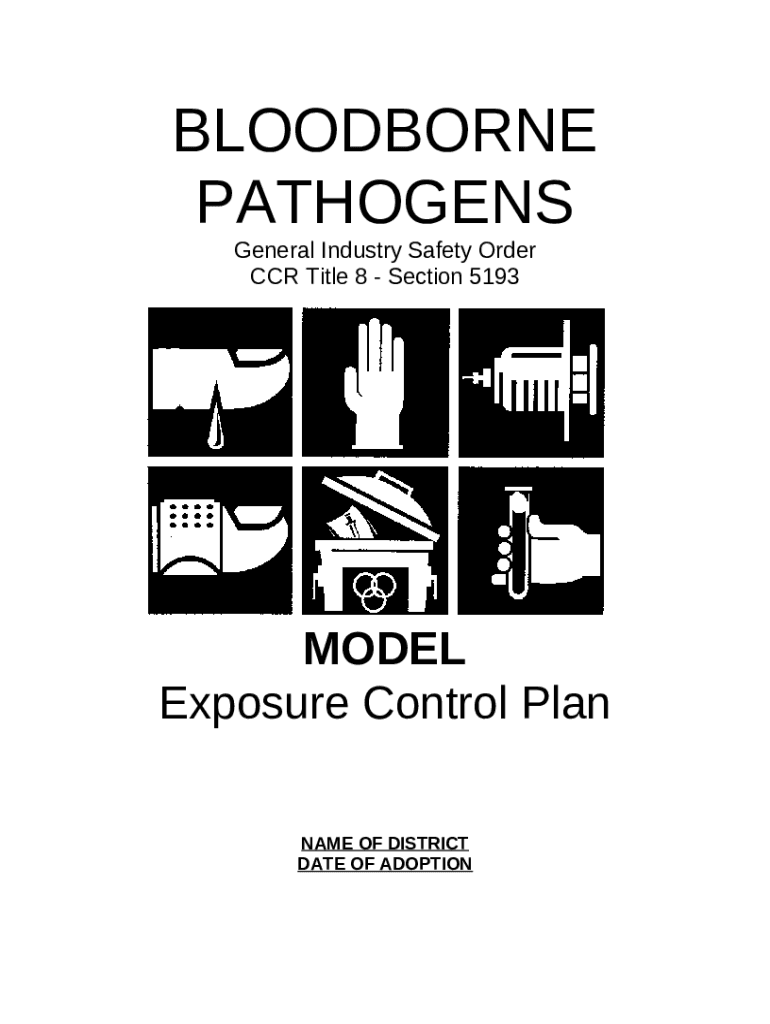
A Bloodborne Pathogens Safety Program is an essential framework designed to minimize occupational exposure to blood and other potentially infectious materials, in compliance with OSHA standards. It aims to protect employees in various industries by outlining procedures, training requirements, and preventive measures necessary for mitigating risks associated with bloodborne pathogens. The program typically includes protocols for handling exposure incidents, personal protective equipment use, vaccination options, and waste management guidelines.
Key Elements of the Bloodborne Pathogens Safety Program
The core components of a Bloodborne Pathogens Safety Program encompass:
- Exposure Control Plan: Details specific measures to be taken to reduce exposure risks.
- Employee Training: Comprehensive education on the risks and preventive measures associated with bloodborne pathogens.
- Hepatitis B Vaccination: Offering vaccinations to employees who may be at risk.
- Personal Protective Equipment (PPE): Policies for using gloves, masks, and other protective gear.
- Waste Disposal: Procedures for disposing of potentially infectious materials safely.
- Record Keeping: Maintaining detailed records of training, exposure incidents, and vaccination status.
Steps to Complete the Bloodborne Pathogens Safety Program
- Risk Assessment: Evaluate potential exposure situations within the workplace.
- Develop an Exposure Control Plan: Document procedures and resources for minimizing exposure.
- Conduct Training Sessions: Educate employees on safety practices and emergency procedures.
- Implement Hepatitis B Vaccination Protocols: Ensure employees are informed about and offered vaccinations.
- Monitor and Enforce PPE Usage: Regularly check that personal protective equipment is used correctly.
- Establish Waste Disposal Procedures: Create systems for managing and disposing of hazardous waste.
- Review and Update: Periodically assess and revise the program to meet current standards and address emerging risks.
Who Typically Uses the Bloodborne Pathogens Safety Program
This program is widely used across various sectors where employees might encounter blood or bodily fluids. Common users include:
- Healthcare Facilities: Hospitals, clinics, and laboratories.
- Emergency Services: Firefighters, police, and emergency medical technicians.
- Tattoo Studios and Piercing Parlors: Professionals who may be exposed to blood.
- Schools and Childcare Centers: Staff responsible for medical care or cleanup of injuries.
- Custodial and Maintenance Services: Workers involved in cleaning potentially contaminated areas.


Legal Use of the Bloodborne Pathogens Safety Program
In the U.S., adherence to OSHA's Bloodborne Pathogens Standard is mandatory for businesses where employees might reasonably face exposure to bloodborne pathogens. Compliance involves developing an Exposure Control Plan and keeping it readily accessible, conducting employee training, and offering the Hepatitis B vaccination at no cost to employees. Employers must also ensure proper labeling and disposal of hazardous waste and maintain detailed records.
State-Specific Rules for the Bloodborne Pathogens Safety Program
While the federal OSHA standards provide a baseline, some states have additional regulations:
- California: Enforces its own, sometimes stricter, standards through Cal/OSHA.
- Washington and Oregon: Possess state-specific plans with subtle variations to align with local laws.
- New York and Texas: Have unique requirements, particularly for high-risk occupations.
It's crucial for employers to review state regulations to ensure full compliance.
Creating and Managing Documentation for the Program
DocHub offers an efficient platform to create and manage documentation related to your safety program:
- Editable Templates: Convert your Exposure Control Plan into fillable forms for easy updates and distribution.
- Secure Management: Protect sensitive documents with password protection and encryption.
- Collaboration Tools: Share documents with stakeholders for input and sign-off, while tracking changes in real-time.
With DocHub, managing and modifying your Bloodborne Pathogens Safety Program documentation becomes seamless and secure.
Examples of Using the Bloodborne Pathogens Safety Program
Real-world scenarios highlight the importance of this program:
- Hospital Staff: Utilizing PPE and proper waste disposal methods to prevent hepatitis transmission.
- Tattoo Artists: Following strict sanitation practices and offering Hepatitis B vaccinations to employees.
- School Nurses: Implementing emergency protocols for managing blood spills and potential exposures.
By adhering to the Bloodborne Pathogens Safety Program, organizations not only comply with legal requirements but also foster a safer working environment for all employees.